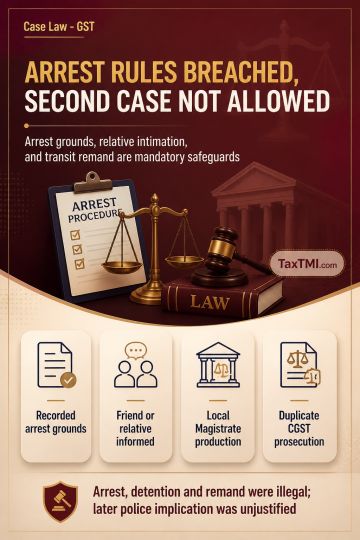
Arrest safeguards require disclosed grounds, relative intimation and transit remand, while duplicate prosecution under the CGST framework is unsustain...
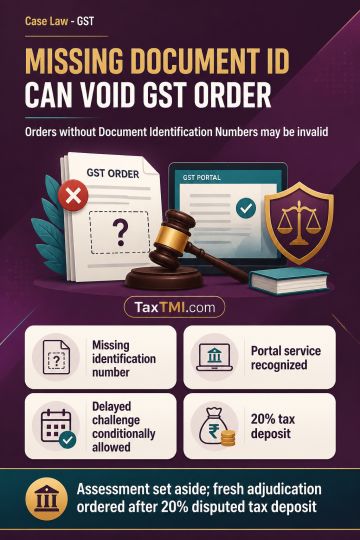
Document Identification Number defects can invalidate GST assessments, with delayed challenges entertained conditionally where patent irregularities e...
Windmill commissioning evidence supported higher depreciation where grid connection and electricity generation proved operational use before the relev...
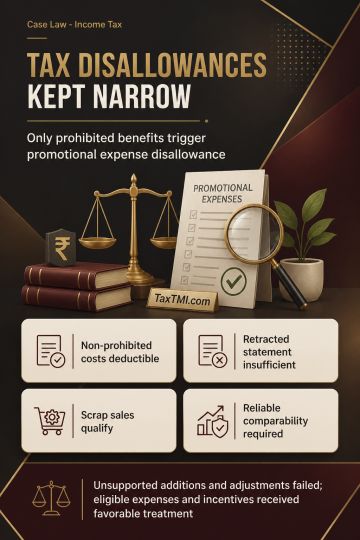
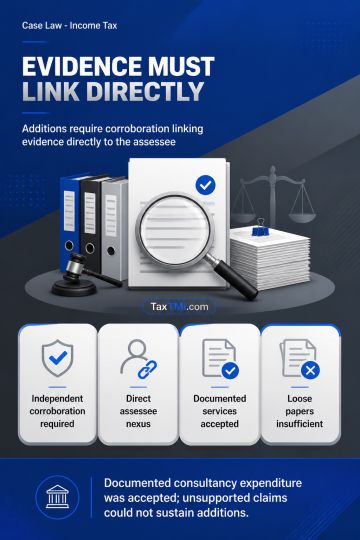
Pharmaceutical promotion and transfer-pricing comparability principles limited disallowances, while uncorroborated search allegations and unsupported ...
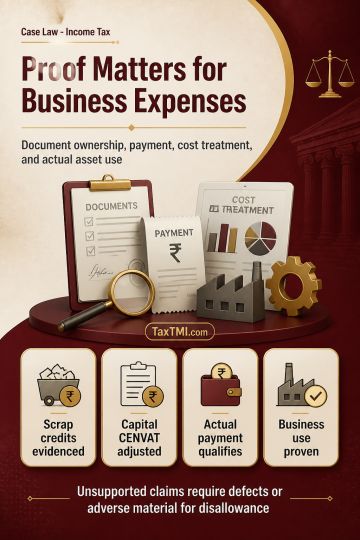
Business expenditure substantiation supports scrap credits, statutory payments and expense claims, while depreciation requires proof of actual busines...
Impleadment of the appellant bank as Proposed 2nd Respondent, in main Company Appeal - necessary/proper party - The Tribunal noted that the bank's interest was protected under pari passu charge and not an exclusive charge. It further highlighted that the bank had previously acquiesced to decisions made without its impleadment, demonstrating that its participation was not crucial for the resolution of the main appeal. - It was determined that the first respondent/appellant was not entitled to possession once the lease expired. The Tribunal rejected the appellant's argument for a right to stay based on investment in the property, citing lack of a valid, enduring lease agreement beyond the explicitly stated term.
Impleadment of the appellant bank as Proposed 2nd Respondent, in main Company Appeal - necessary/proper party - The Tribunal noted that the bank's interest was protected under pari passu charge and not an exclusive charge. It further highlighted that the bank had previously acquiesced to decisions made without its impleadment, demonstrating that its participation was not crucial for the resolution of the main appeal. - It was determined that the first respondent/appellant was not entitled to possession once the lease expired. The Tribunal rejected the appellant's argument for a right to stay based on investment in the property, citing lack of a valid, enduring lease agreement beyond the explicitly stated term.
Note: It is a system-generated summary and is for quick reference only.
 TaxTMI
 of 4805









 Join Channel


 TaxTMI