Necessary-party requirements limit impleadment of independent entities, while deferred consideration does not create an appealable adverse determinati...
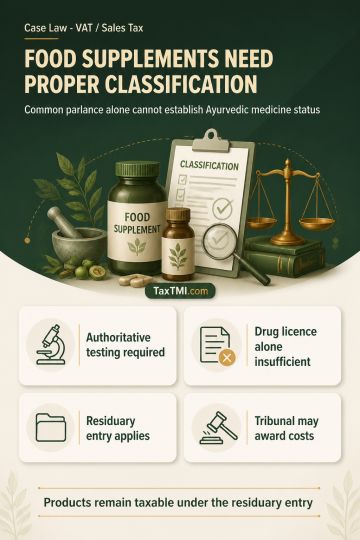
Food supplement classification requires common parlance and authoritative tests, preventing treatment as proprietary Ayurvedic medicines without suppo...
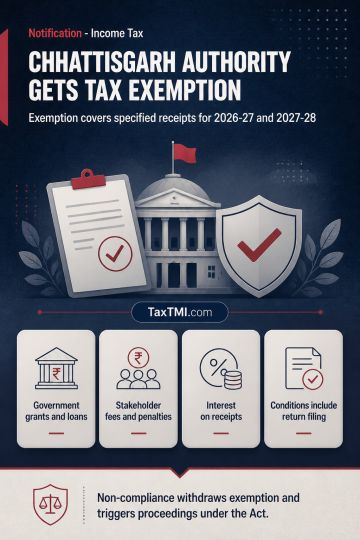
Specified regulatory authority income receives conditional tax exemption, subject to non-commercial activity, unchanged income character, and return f...
Tax exemption for regulatory authority income applies retrospectively, subject to non-commercial activity, unchanged income sources, and return-filing...
Input tax credit conditions remain constitutionally valid, with eligible recipient claims considered under GST circulars and retrospective filing dead...
Impleadment of the appellant bank as Proposed 2nd Respondent, in main Company Appeal - necessary/proper party - The Tribunal noted that the bank's interest was protected under pari passu charge and not an exclusive charge. It further highlighted that the bank had previously acquiesced to decisions made without its impleadment, demonstrating that its participation was not crucial for the resolution of the main appeal. - It was determined that the first respondent/appellant was not entitled to possession once the lease expired. The Tribunal rejected the appellant's argument for a right to stay based on investment in the property, citing lack of a valid, enduring lease agreement beyond the explicitly stated term.
Impleadment of the appellant bank as Proposed 2nd Respondent, in main Company Appeal - necessary/proper party - The Tribunal noted that the bank's interest was protected under pari passu charge and not an exclusive charge. It further highlighted that the bank had previously acquiesced to decisions made without its impleadment, demonstrating that its participation was not crucial for the resolution of the main appeal. - It was determined that the first respondent/appellant was not entitled to possession once the lease expired. The Tribunal rejected the appellant's argument for a right to stay based on investment in the property, citing lack of a valid, enduring lease agreement beyond the explicitly stated term.
Note: It is a system-generated summary and is for quick reference only.
 TaxTMI
 of 4805

















 Join Channel


 TaxTMI

