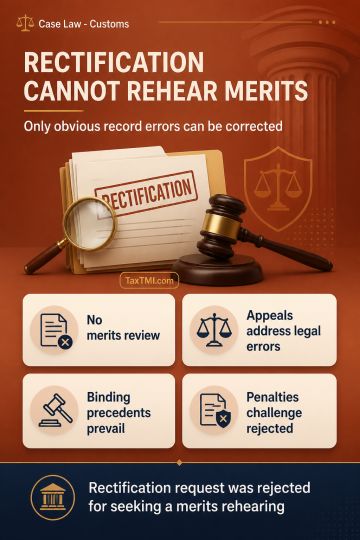
Rectification of mistake remains limited to self-evident record errors, preventing merits review through miscellaneous applications and preserving fin...
Tender creditworthiness conditions may extend to de facto Promoter Directors, with post-participation challenges generally barred absent arbitrariness...
Corporate representation in PMLA summons proceedings permitted through an authorised signatory, subject to directors' continuing cooperation and atten...
Helicopter charter classification requires effective control analysis, while territorial performance, reasoned credit orders and wilful suppression de...
Specified fund definition expands PAN exemption eligibility for registered alternative investment funds and qualifying International Financial Service...
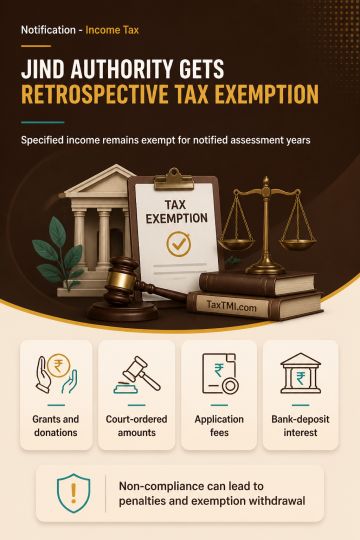
Tax exemption for specified legal-services authority income applies retrospectively, subject to non-commercial activity, unchanged income sources, and...
Principles of Res-judicata - suo-moto re-credit taken instead of filing refund application - The Tribunal noted that the initial rounds of litigation, up to the High Court, had affirmed the appellant's eligibility to claim Cenvat credit under Notification No. 6/2006-CE, which the Tribunal upheld. It was observed that the re-credit was an accounting correction and did not require a refund claim, especially since it was done with Revenue's intimation. The Tribunal ordered the refund of the duty amount deposited by the appellant, with interest. This decision rested on the principle that once an appellate decision becomes final, it is binding, and the administrative authorities must comply without re-litigating settled matters.
Principles of Res-judicata - suo-moto re-credit taken instead of filing refund application - The Tribunal noted that the initial rounds of litigation, up to the High Court, had affirmed the appellant's eligibility to claim Cenvat credit under Notification No. 6/2006-CE, which the Tribunal upheld. It was observed that the re-credit was an accounting correction and did not require a refund claim, especially since it was done with Revenue's intimation. The Tribunal ordered the refund of the duty amount deposited by the appellant, with interest. This decision rested on the principle that once an appellate decision becomes final, it is binding, and the administrative authorities must comply without re-litigating settled matters.
Note: It is a system-generated summary and is for quick reference only.
 TaxTMI
 of 4803














 Join Channel


 TaxTMI