Windmill commissioning evidence supported higher depreciation where grid connection and electricity generation proved operational use before the relev...
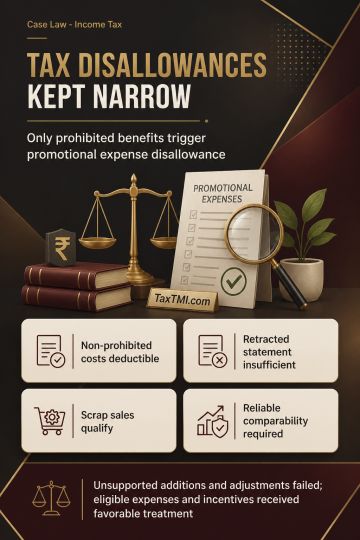
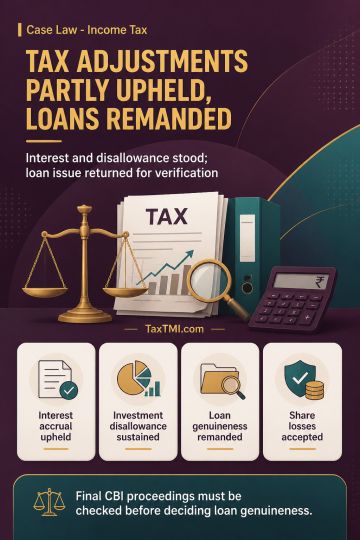
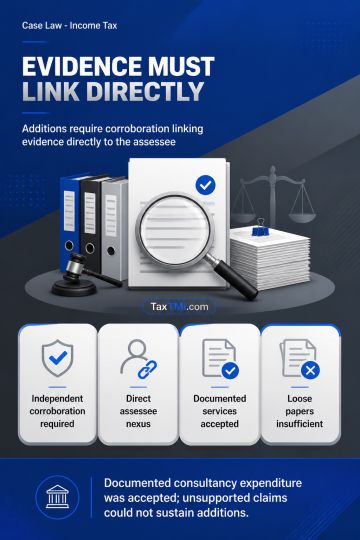
Pharmaceutical promotion and transfer-pricing comparability principles limited disallowances, while uncorroborated search allegations and unsupported ...
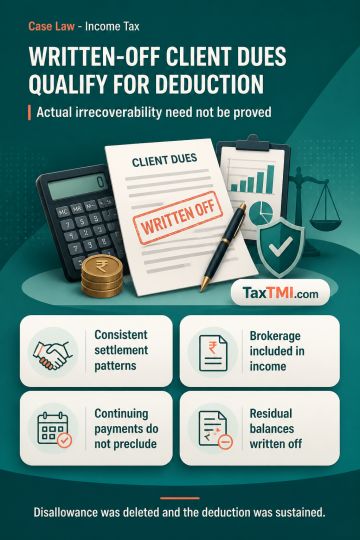
Business expenditure substantiation supports scrap credits, statutory payments and expense claims, while depreciation requires proof of actual busines...
Principles of Res-judicata - suo-moto re-credit taken instead of filing refund application - The Tribunal noted that the initial rounds of litigation, up to the High Court, had affirmed the appellant's eligibility to claim Cenvat credit under Notification No. 6/2006-CE, which the Tribunal upheld. It was observed that the re-credit was an accounting correction and did not require a refund claim, especially since it was done with Revenue's intimation. The Tribunal ordered the refund of the duty amount deposited by the appellant, with interest. This decision rested on the principle that once an appellate decision becomes final, it is binding, and the administrative authorities must comply without re-litigating settled matters.
Principles of Res-judicata - suo-moto re-credit taken instead of filing refund application - The Tribunal noted that the initial rounds of litigation, up to the High Court, had affirmed the appellant's eligibility to claim Cenvat credit under Notification No. 6/2006-CE, which the Tribunal upheld. It was observed that the re-credit was an accounting correction and did not require a refund claim, especially since it was done with Revenue's intimation. The Tribunal ordered the refund of the duty amount deposited by the appellant, with interest. This decision rested on the principle that once an appellate decision becomes final, it is binding, and the administrative authorities must comply without re-litigating settled matters.
Note: It is a system-generated summary and is for quick reference only.
 TaxTMI
 of 4803










 Join Channel


 TaxTMI
