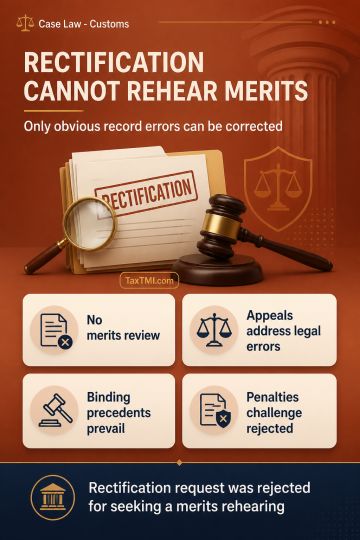
Rectification of mistake remains limited to self-evident record errors, preventing merits review through miscellaneous applications and preserving fin...
Tender creditworthiness conditions may extend to de facto Promoter Directors, with post-participation challenges generally barred absent arbitrariness...
Corporate representation in PMLA summons proceedings permitted through an authorised signatory, subject to directors' continuing cooperation and atten...
Helicopter charter classification requires effective control analysis, while territorial performance, reasoned credit orders and wilful suppression de...
Specified fund definition expands PAN exemption eligibility for registered alternative investment funds and qualifying International Financial Service...
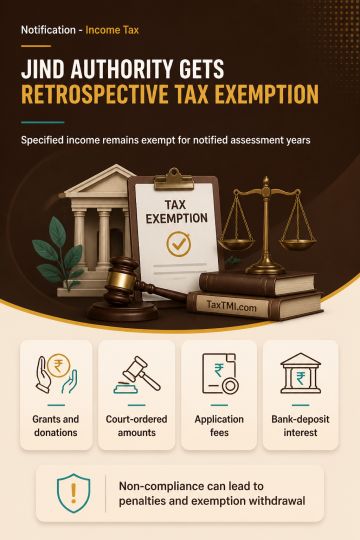
Tax exemption for specified legal-services authority income applies retrospectively, subject to non-commercial activity, unchanged income sources, and...
Cancellation of GST registration of the petitioner - The High Court examined the discrepancy between the grounds cited in the show cause notice and those in the cancellation order. It found that the reasons for cancellation, invoking clause 29(2)(e) alleging fraud or misstatement, were not adequately communicated to the petitioner. Moreover, the contents of the crucial email relied upon were not disclosed to the petitioner, denying them the opportunity to refute the allegations. - The Court observed that the respondents' actions, such as scheduling a personal hearing before the petitioner had a chance to respond fully, indicated a lack of procedural fairness. This, coupled with the failure to provide essential documents and information to the petitioner, reinforced the perception of predetermined action. - Consequently, the Court set aside the cancellation order.
Cancellation of GST registration of the petitioner - The High Court examined the discrepancy between the grounds cited in the show cause notice and those in the cancellation order. It found that the reasons for cancellation, invoking clause 29(2)(e) alleging fraud or misstatement, were not adequately communicated to the petitioner. Moreover, the contents of the crucial email relied upon were not disclosed to the petitioner, denying them the opportunity to refute the allegations. - The Court observed that the respondents' actions, such as scheduling a personal hearing before the petitioner had a chance to respond fully, indicated a lack of procedural fairness. This, coupled with the failure to provide essential documents and information to the petitioner, reinforced the perception of predetermined action. - Consequently, the Court set aside the cancellation order.
Note: It is a system-generated summary and is for quick reference only.
 TaxTMI
 of 4803

















 Join Channel


 TaxTMI