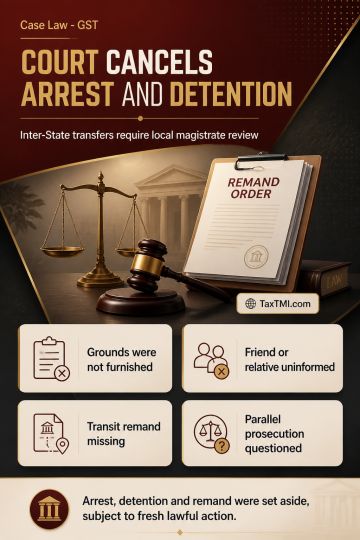
Arrest safeguards and transit remand requirements invalidated detention following inter-State transfer without communicated grounds or magistrate auth...
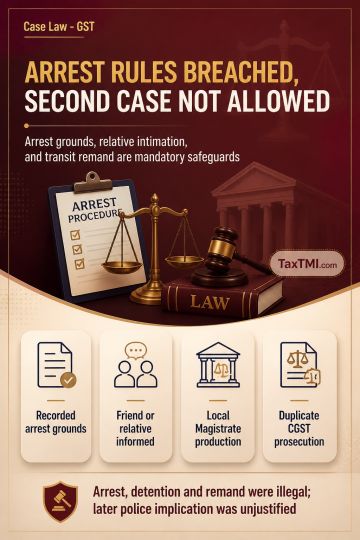
Arrest safeguards require disclosed grounds, relative intimation and transit remand, while duplicate prosecution under the CGST framework is unsustain...
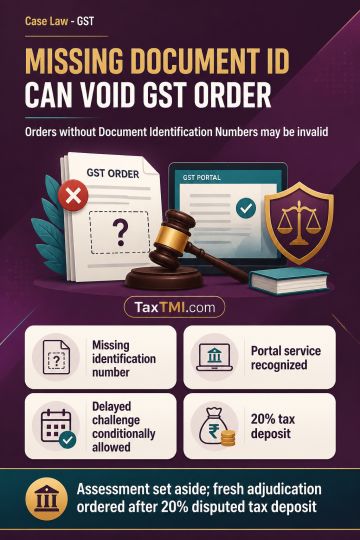
Document Identification Number defects can invalidate GST assessments, with delayed challenges entertained conditionally where patent irregularities e...
Windmill commissioning evidence supported higher depreciation where grid connection and electricity generation proved operational use before the relev...
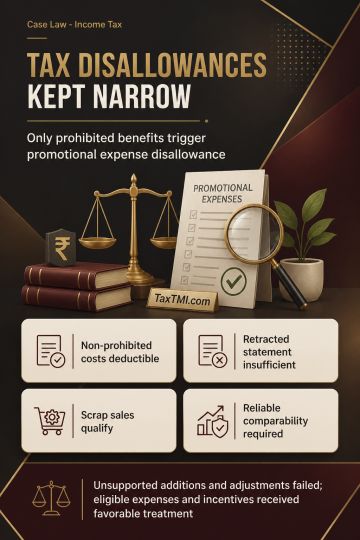
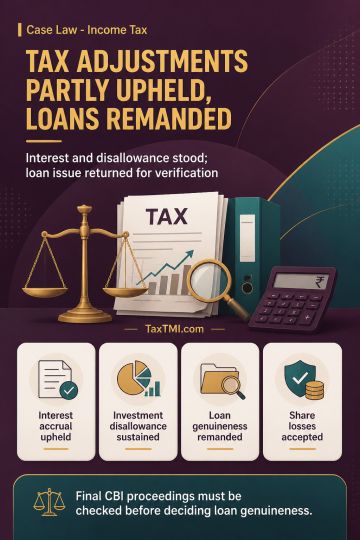
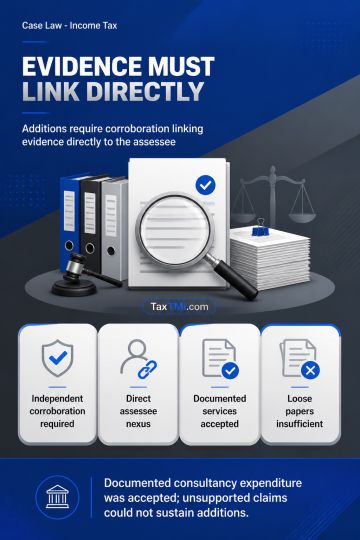
Pharmaceutical promotion and transfer-pricing comparability principles limited disallowances, while uncorroborated search allegations and unsupported ...
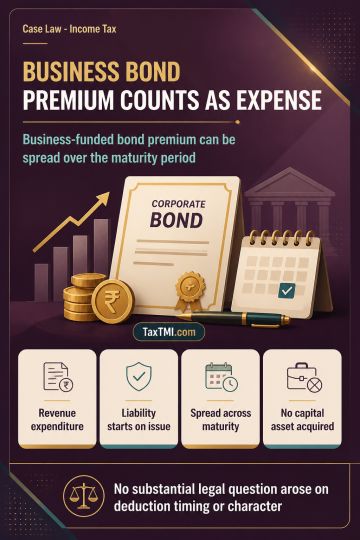
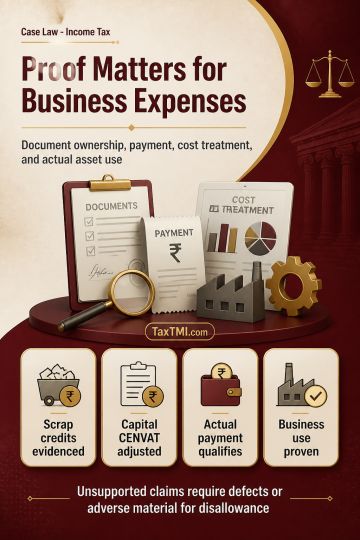
Business expenditure substantiation supports scrap credits, statutory payments and expense claims, while depreciation requires proof of actual busines...
Levy of Penalty u/s 112 (a) and (b) and 114AA of the Customs Act, 1962 - Abetment in mis-declaration of goods and evasion of duty - The appellants were accused of being involved in a scheme using dummy Import Export Codes (IECs) - The tribunal confirmed that three shipments declared as sunglasses or packing materials were actually high-value branded garments. This misdeclaration led to significant undervaluation, affecting the customs duty applicable. - One appellant was documented to have coordinated the logistics of the misdeclared imports, including providing details to customs agents. This was established through corroborated statements and WhatsApp messages, which showed coordination with a known associate and various import/export details being shared for clearing the misdeclared goods. - The tribunal upheld the penalties based on the appellants’ involvement in the misdeclaration and undervaluation of imported goods, which resulted in substantial customs duty evasion.
Levy of Penalty u/s 112 (a) and (b) and 114AA of the Customs Act, 1962 - Abetment in mis-declaration of goods and evasion of duty - The appellants were accused of being involved in a scheme using dummy Import Export Codes (IECs) - The tribunal confirmed that three shipments declared as sunglasses or packing materials were actually high-value branded garments. This misdeclaration led to significant undervaluation, affecting the customs duty applicable. - One appellant was documented to have coordinated the logistics of the misdeclared imports, including providing details to customs agents. This was established through corroborated statements and WhatsApp messages, which showed coordination with a known associate and various import/export details being shared for clearing the misdeclared goods. - The tribunal upheld the penalties based on the appellants’ involvement in the misdeclaration and undervaluation of imported goods, which resulted in substantial customs duty evasion.
Note: It is a system-generated summary and is for quick reference only.
 TaxTMI
 of 4792






 Join Channel


 TaxTMI