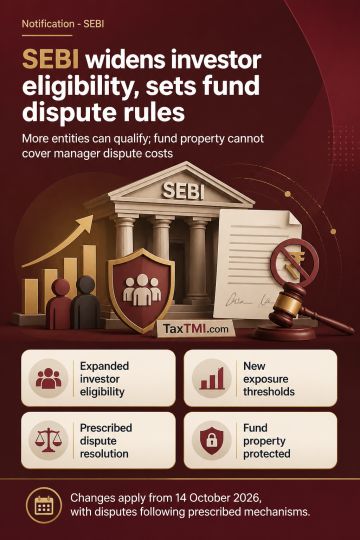
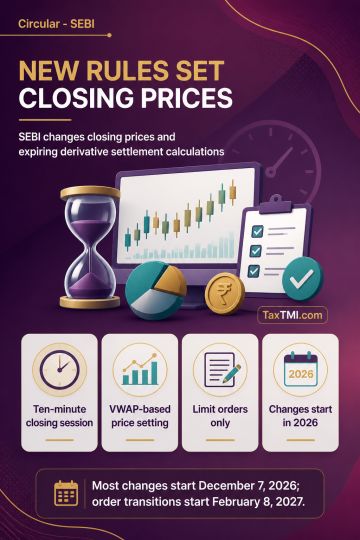
Accredited investor eligibility expands through securities-market exposure, while alternative investment fund disputes require prescribed resolution a...
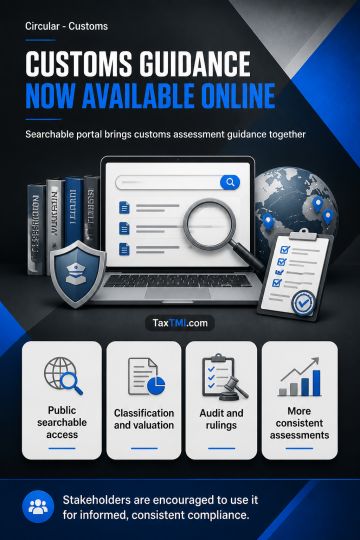
Customs Assessment Portal centralises classification and valuation guidance to support consistent, transparent and informed compliance across stakehol...
Estimation of income - Bogus purchases - Reliance on retracted statement - The ITAT, after reviewing the case, noted discrepancies in the reliance on these statements for making disallowances. They observed that subsequent affidavits retracted these statements, diminishing their evidentiary value. Additionally, documentary evidence such as invoices and bank statements corroborated the assessee's claims of genuine purchases. For several assessment years, the tribunal decided to delete the disallowances concerning bogus purchases, arguing that the AO's assessments were based on inadequate grounds and, in some cases, relied excessively on ad-hoc estimates.
Estimation of income - Bogus purchases - Reliance on retracted statement - The ITAT, after reviewing the case, noted discrepancies in the reliance on these statements for making disallowances. They observed that subsequent affidavits retracted these statements, diminishing their evidentiary value. Additionally, documentary evidence such as invoices and bank statements corroborated the assessee's claims of genuine purchases. For several assessment years, the tribunal decided to delete the disallowances concerning bogus purchases, arguing that the AO's assessments were based on inadequate grounds and, in some cases, relied excessively on ad-hoc estimates.
Note: It is a system-generated summary and is for quick reference only.
 TaxTMI
  TaxTMI
 of 4921