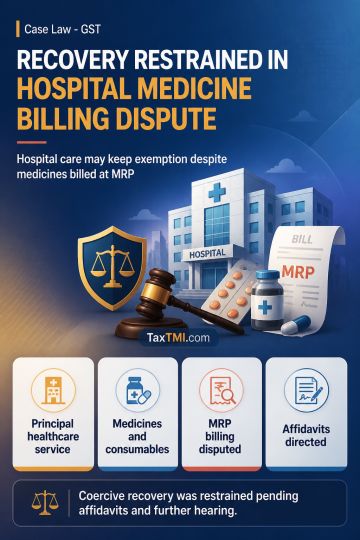
Composite inpatient healthcare supply may retain exemption despite MRP medicine billing, while separate taxable sale characterisation remains disputed...
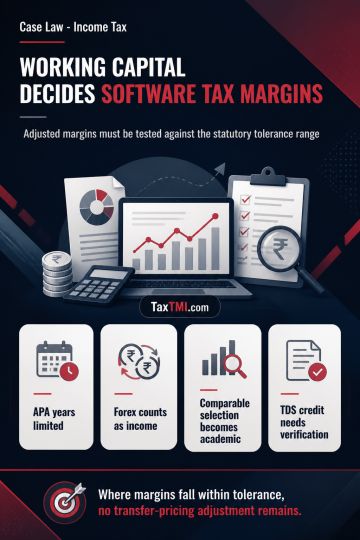
Working-capital adjustment determines whether software-services transfer-pricing margins fall within the statutory tolerance range, eliminating any ad...
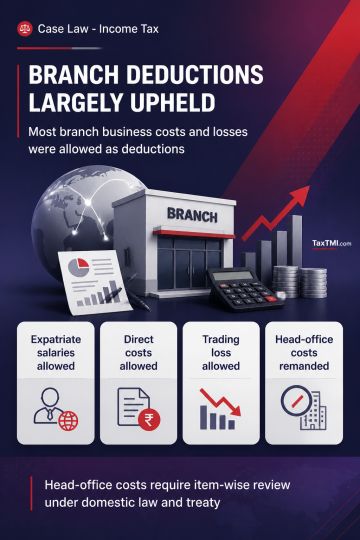
Permanent establishment deductions upheld for expatriate salaries, direct costs and trading losses, while head-office costs require fresh classificati...
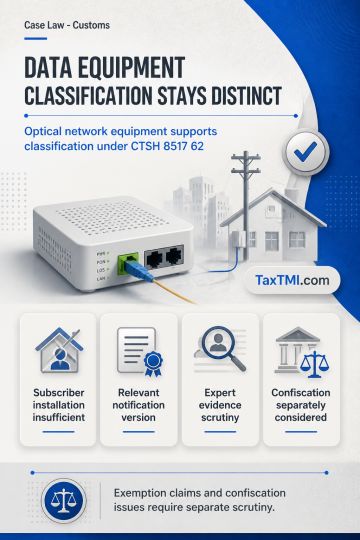
Data transmission equipment classification under CTSH 8517 62 remains distinct from residual classification, with exemption evidence requiring scrutin...
Constitutional Validity of Sections 2, 9, 12 and 18 of the Constitution (101st Amendment) Act, 2016 violating the basic structure of the Constitution of India - grounds raised are based on the constitution of a Goods and Services Tax Council (GST Council) - In its judgment, the High Court scrutinizes the petitioner's locus standi, emphasizing the necessity of demonstrating aggrievement in PILs. Despite the petitioner's assertion of public interest, the court finds that they lack standing, as they have not suffered any legal injury or prejudice resulting from the impugned provisions. Additionally, the court highlights the petitioner's absence of registration under GST enactments or involvement in commercial activities, further undermining their standing. - Ultimately, the High Court dismisses the writ petition, concluding that there is no basis to entertain it.
Constitutional Validity of Sections 2, 9, 12 and 18 of the Constitution (101st Amendment) Act, 2016 violating the basic structure of the Constitution of India - grounds raised are based on the constitution of a Goods and Services Tax Council (GST Council) - In its judgment, the High Court scrutinizes the petitioner's locus standi, emphasizing the necessity of demonstrating aggrievement in PILs. Despite the petitioner's assertion of public interest, the court finds that they lack standing, as they have not suffered any legal injury or prejudice resulting from the impugned provisions. Additionally, the court highlights the petitioner's absence of registration under GST enactments or involvement in commercial activities, further undermining their standing. - Ultimately, the High Court dismisses the writ petition, concluding that there is no basis to entertain it.
Note: It is a system-generated summary and is for quick reference only.
 TaxTMI
 of 4803





 Join Channel


 TaxTMI
