Necessary-party requirements limit impleadment of independent entities, while deferred consideration does not create an appealable adverse determinati...
Food supplement classification requires common parlance and authoritative tests, preventing treatment as proprietary Ayurvedic medicines without suppo...
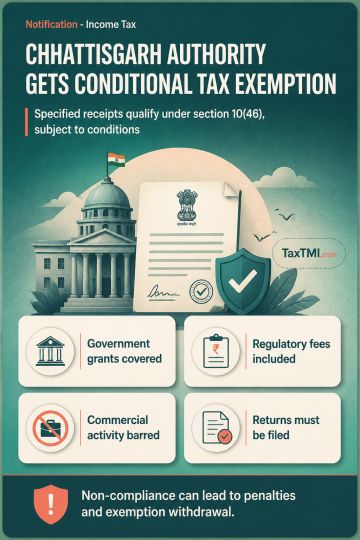
Specified regulatory authority income receives conditional tax exemption, subject to non-commercial activity, unchanged income character, and return f...
Tax exemption for regulatory authority income applies retrospectively, subject to non-commercial activity, unchanged income sources, and return-filing...
Input tax credit conditions remain constitutionally valid, with eligible recipient claims considered under GST circulars and retrospective filing dead...
Recovery of tax arrears from the Former director of the Company - Attachment of Bank accounts - DIN of the petitioner got disqualified under Section 164(2)(a) of the Companies Act, 2013 - The High Court found that the attachment order was issued without proper consideration of the petitioner's status and without affording them an opportunity to present their case. The court held that this violated the petitioner's rights under Article 14 and 300A of the Constitution. - The High Court accepted the petitioner's argument that they had resigned from their directorship before the relevant period. As such, the court ruled that the petitioner could not be held liable for the company's tax dues during that period.
Recovery of tax arrears from the Former director of the Company - Attachment of Bank accounts - DIN of the petitioner got disqualified under Section 164(2)(a) of the Companies Act, 2013 - The High Court found that the attachment order was issued without proper consideration of the petitioner's status and without affording them an opportunity to present their case. The court held that this violated the petitioner's rights under Article 14 and 300A of the Constitution. - The High Court accepted the petitioner's argument that they had resigned from their directorship before the relevant period. As such, the court ruled that the petitioner could not be held liable for the company's tax dues during that period.
Note: It is a system-generated summary and is for quick reference only.
 TaxTMI
 of 4805



















 Join Channel


 TaxTMI