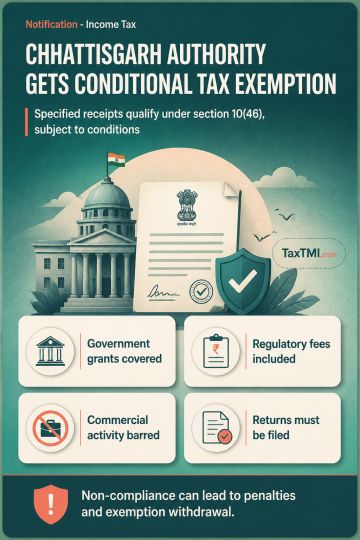
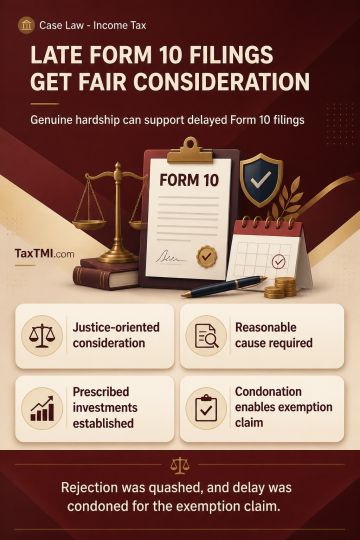
Specified regulatory authority income receives conditional tax exemption, subject to non-commercial activity, unchanged income character, and return f...
Tax exemption for regulatory authority income applies retrospectively, subject to non-commercial activity, unchanged income sources, and return-filing...
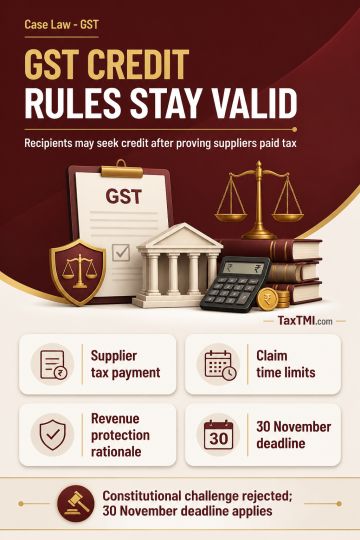
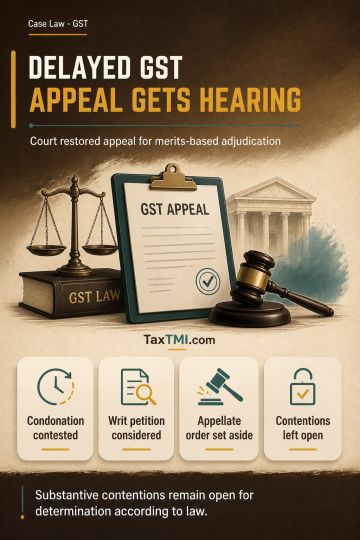
Input tax credit conditions remain constitutionally valid, with eligible recipient claims considered under GST circulars and retrospective filing dead...
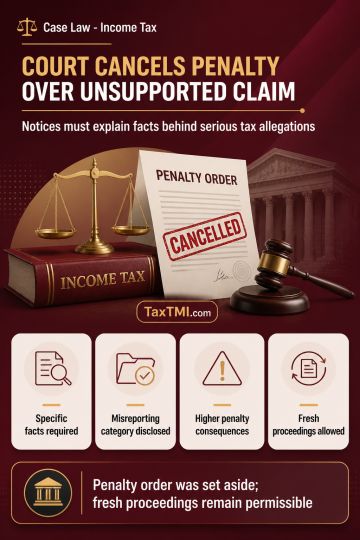
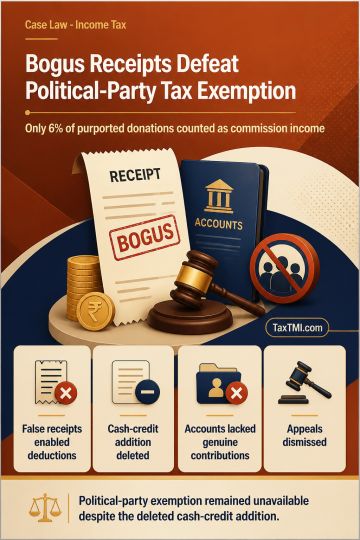
Bogus donation receipts justified commission income assessment and defeated political-party tax exemption for inaccurate accounts and reporting failur...
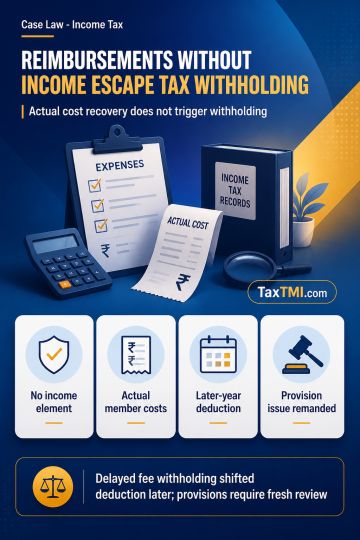
Pure reimbursement without income element escapes tax withholding, while delayed withholding and unsupported provisions face deferred or renewed scrut...
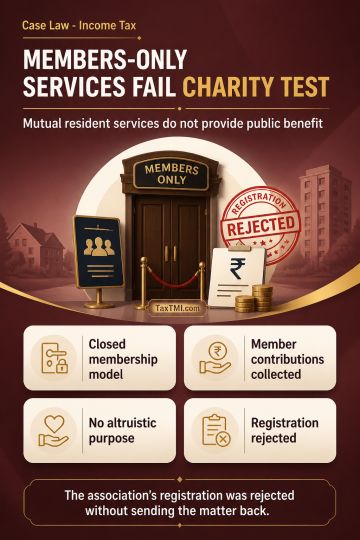
Public benefit requirement defeats charitable registration where residents' association services are reciprocal, member-only facilities governed by mu...
Classification of goods - rate of tax - Classic Malabar Parota - Whole Wheat Malabar Parota - The court determined that the Malabar Parotas should not be classified under the heading 2106 as they are not akin to the other food preparations specified therein, which typically include items requiring more substantial processing. - The court highlighted that the 'bread' definition in the GST regime should be broadly interpreted to include varieties of bread prevalent in different cultures, including Indian flatbreads. - Ultimately, the court held that since Malabar Parotas are akin to items specified under tariff item 1905 9090, they should attract a GST of 5% (2.5% CGST + 2.5% SGST), as they are similar to products like Khakhra, plain chapati, or roti, which are also covered under this entry.
Classification of goods - rate of tax - Classic Malabar Parota - Whole Wheat Malabar Parota - The court determined that the Malabar Parotas should not be classified under the heading 2106 as they are not akin to the other food preparations specified therein, which typically include items requiring more substantial processing. - The court highlighted that the 'bread' definition in the GST regime should be broadly interpreted to include varieties of bread prevalent in different cultures, including Indian flatbreads. - Ultimately, the court held that since Malabar Parotas are akin to items specified under tariff item 1905 9090, they should attract a GST of 5% (2.5% CGST + 2.5% SGST), as they are similar to products like Khakhra, plain chapati, or roti, which are also covered under this entry.
Note: It is a system-generated summary and is for quick reference only.
 TaxTMI
 of 4805








 Join Channel


 TaxTMI