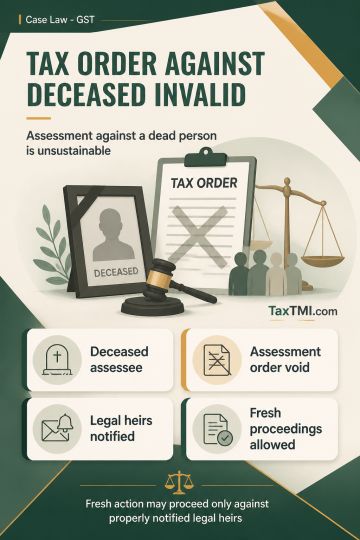
Mutual fund maturity rules require proper rollover, redemption, disclosure, and due diligence; investor gains cannot excuse regulatory breaches or pen...
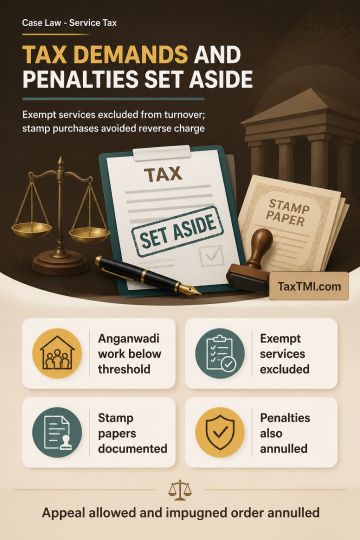
Threshold exemption excludes exempt services, while stamp-paper purchases avoid reverse charge; consequential service tax penalties were also set asid...
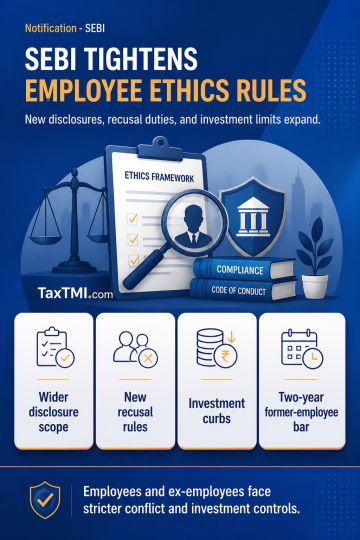
Employee conflict disclosures and investment restrictions expand with new recusal duties, post-employment limits, and compliance reporting requirement...
Additions on account of Bogus unsecured loans and bogus share capital money - Revenue argued that the unsecured loan from entities controlled by a hawala operator should be treated as accommodation entries and assessed as the assessee's own income. - The Appellate Tribunal found that the assessee had provided sufficient evidence to establish the identity, genuineness, and creditworthiness of the lenders. Despite the AO's reliance on statements from the hawala operator, the Tribunal noted that such statements were recorded without the assessee's opportunity for cross-examination. As the assessee had fulfilled the burden of proof u/s 68, the Tribunal upheld the CIT(A)'s decision to delete the addition of the unsecured loan. - Furthermore, it was found that the share application money was not received by the assessee during the relevant assessment year, as evidenced by the balance sheet. Overall, the Tribunal dismissed the Revenue's appeal and confirmed the decisions of the CIT(A).
Additions on account of Bogus unsecured loans and bogus share capital money - Revenue argued that the unsecured loan from entities controlled by a hawala operator should be treated as accommodation entries and assessed as the assessee's own income. - The Appellate Tribunal found that the assessee had provided sufficient evidence to establish the identity, genuineness, and creditworthiness of the lenders. Despite the AO's reliance on statements from the hawala operator, the Tribunal noted that such statements were recorded without the assessee's opportunity for cross-examination. As the assessee had fulfilled the burden of proof u/s 68, the Tribunal upheld the CIT(A)'s decision to delete the addition of the unsecured loan. - Furthermore, it was found that the share application money was not received by the assessee during the relevant assessment year, as evidenced by the balance sheet. Overall, the Tribunal dismissed the Revenue's appeal and confirmed the decisions of the CIT(A).
Note: It is a system-generated summary and is for quick reference only.
 TaxTMI
 of 4805




 Join Channel


 TaxTMI