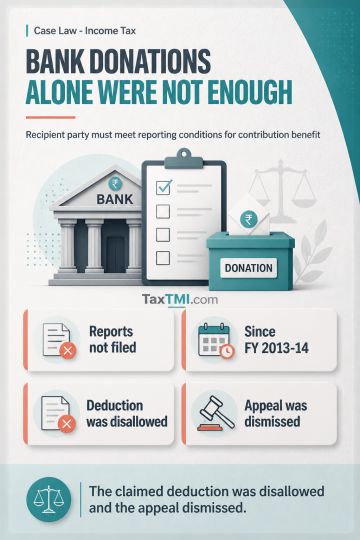
Political contribution deductions require recipient party compliance with contribution-reporting conditions; banking-channel donations alone do not qu...
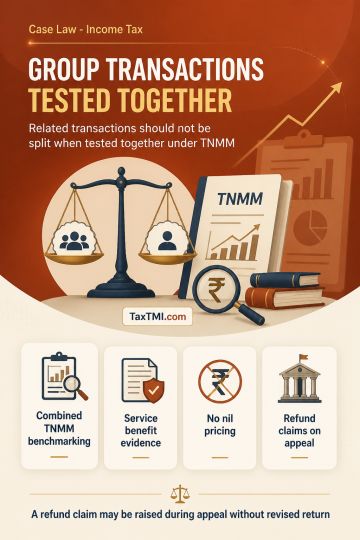
Aggregation under TNMM prevents selective testing of intra-group services without comparable uncontrolled transactions, while appellate additional cla...
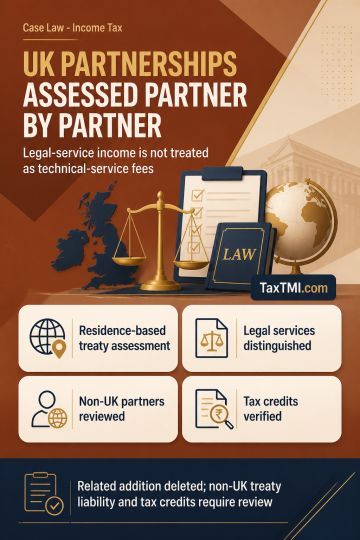
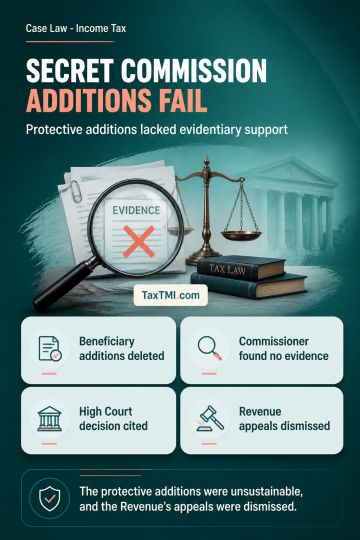
Protective assessment cannot duplicate identical receipts under competing characterisations; remote services did not establish a taxable permanent est...
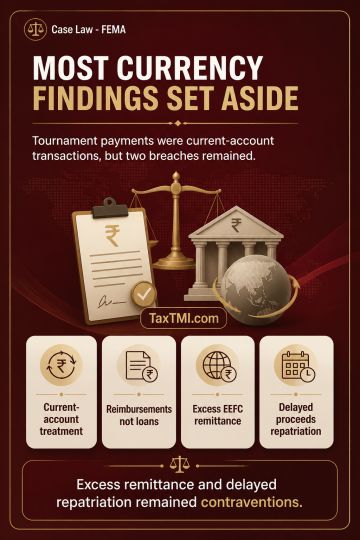
Current account treatment of overseas tournament services removed most FEMA findings, but excess EEFC remittance and delayed repatriation remained bre...
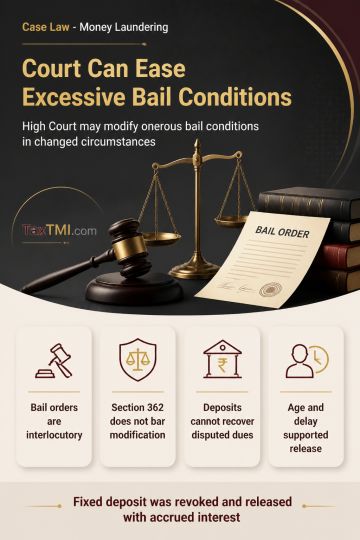
Modification of bail conditions remains available through inherent jurisdiction where onerous deposits undermine justice and cannot recover disputed d...
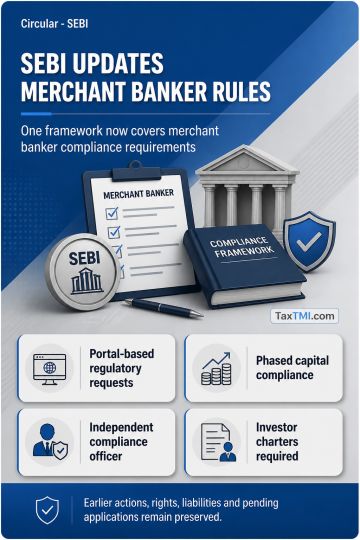
Merchant banker regulation consolidates registration, governance, capital, reporting, outsourcing and investor-protection requirements under an update...
Validity of Faceless Assessment - demand notice was issued without furnishing a draft order to the Petitioners, violating Section 144C(1) of the IT Act. - After considering submissions from both parties, the High court found merit in the petitioner's argument regarding non-compliance with statutory procedures. Consequently, the court quashed the impugned assessment order and notice. However, contrary to the petitioner's plea to conclude the matter there, the court opted to follow the approach established by the Supreme Court. The court ruled that while the assessment order was set aside, the department should be given an opportunity to rectify the procedural error and pass a fresh order in compliance with the law.
Validity of Faceless Assessment - demand notice was issued without furnishing a draft order to the Petitioners, violating Section 144C(1) of the IT Act. - After considering submissions from both parties, the High court found merit in the petitioner's argument regarding non-compliance with statutory procedures. Consequently, the court quashed the impugned assessment order and notice. However, contrary to the petitioner's plea to conclude the matter there, the court opted to follow the approach established by the Supreme Court. The court ruled that while the assessment order was set aside, the department should be given an opportunity to rectify the procedural error and pass a fresh order in compliance with the law.
Note: It is a system-generated summary and is for quick reference only.
 TaxTMI
 of 4782









 Join Channel


 TaxTMI