Arrest safeguards and transit remand requirements invalidated detention following inter-State transfer without communicated grounds or magistrate auth...
Arrest safeguards require disclosed grounds, relative intimation and transit remand, while duplicate prosecution under the CGST framework is unsustain...
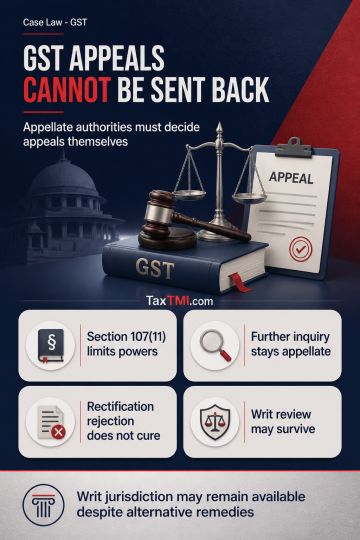
Document Identification Number defects can invalidate GST assessments, with delayed challenges entertained conditionally where patent irregularities e...
Windmill commissioning evidence supported higher depreciation where grid connection and electricity generation proved operational use before the relev...
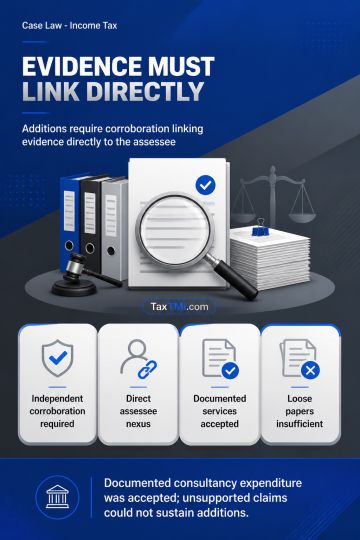
Pharmaceutical promotion and transfer-pricing comparability principles limited disallowances, while uncorroborated search allegations and unsupported ...
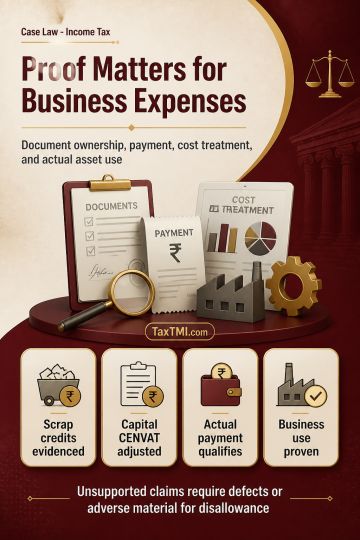
Business expenditure substantiation supports scrap credits, statutory payments and expense claims, while depreciation requires proof of actual busines...
Income tax proceedings against company dissolved / insolvent - Jurisdiction or authority to reopen or assess income for any period prior to the approval of the Resolution Plan - The High Court affirmed that once a Resolution Plan is approved under the IBC, it becomes binding on all stakeholders, including creditors and guarantors, extinguishing liabilities prior to its approval. Relying on Supreme Court judgments, the Court reiterated that the legislative intent behind Section 31 of the IBC is to provide a fresh start to the successful resolution applicant, safeguarding against surprise claims. The Court dismissed attempts to distinguish between voluntary and involuntary insolvency, emphasizing that the protection afforded under Section 31 applies uniformly.
Income tax proceedings against company dissolved / insolvent - Jurisdiction or authority to reopen or assess income for any period prior to the approval of the Resolution Plan - The High Court affirmed that once a Resolution Plan is approved under the IBC, it becomes binding on all stakeholders, including creditors and guarantors, extinguishing liabilities prior to its approval. Relying on Supreme Court judgments, the Court reiterated that the legislative intent behind Section 31 of the IBC is to provide a fresh start to the successful resolution applicant, safeguarding against surprise claims. The Court dismissed attempts to distinguish between voluntary and involuntary insolvency, emphasizing that the protection afforded under Section 31 applies uniformly.
Note: It is a system-generated summary and is for quick reference only.
 TaxTMI
 of 4790


















 Join Channel


 TaxTMI
