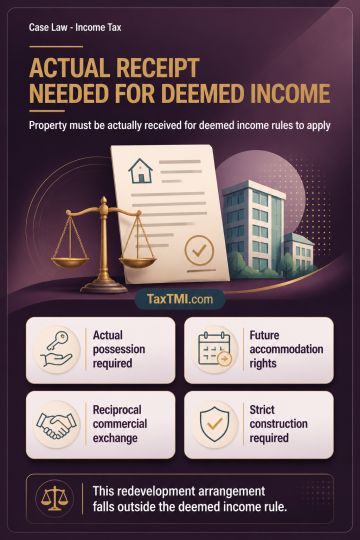
Receipt of immovable property requires actual possession or enjoyment; redevelopment allotments exchanged for tenancy rights fall outside deemed incom...
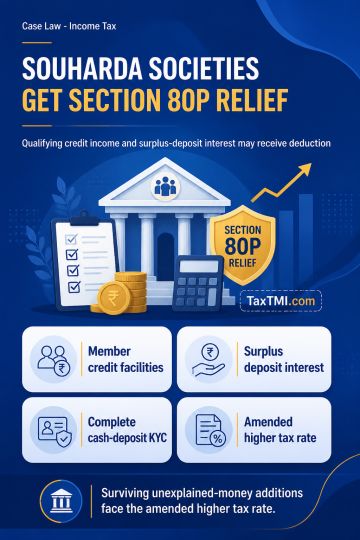
Section 80P deduction covers Souharda credit societies, including qualifying surplus-deposit interest, subject to member KYC verification for cash dep...
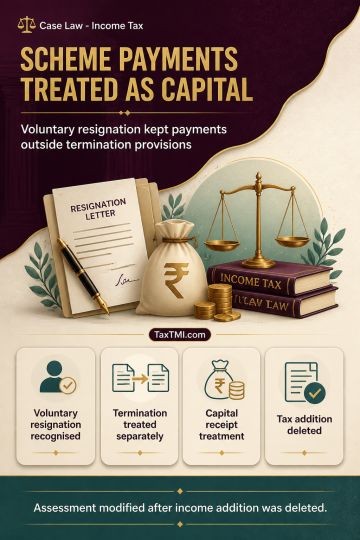
Transfer-pricing benchmarking and capital-receipt principles sustained taxpayer relief, while unsupported property-advance write-offs remained disallo...
Dishonour of Cheque - Grant of Bail - Mandate to deposit of a minimum of twenty percent of the fine or compensation awarded by the trial court - While acknowledging the discretionary language of "may" in Section 148, the High Court interpreted it as a rule rather than an exception, aligning with the legislative intent to expedite legal proceedings. The High Court referenced previous Supreme Court judgments to support its interpretation of Section 148, emphasizing the necessity of complying with the legislative intent to prevent delays in cheque dishonor cases. - Consequently, the High Court modified the appellate court's order, directing the petitioner to deposit twenty percent of the fine imposed by the trial court within sixty days.
Dishonour of Cheque - Grant of Bail - Mandate to deposit of a minimum of twenty percent of the fine or compensation awarded by the trial court - While acknowledging the discretionary language of "may" in Section 148, the High Court interpreted it as a rule rather than an exception, aligning with the legislative intent to expedite legal proceedings. The High Court referenced previous Supreme Court judgments to support its interpretation of Section 148, emphasizing the necessity of complying with the legislative intent to prevent delays in cheque dishonor cases. - Consequently, the High Court modified the appellate court's order, directing the petitioner to deposit twenty percent of the fine imposed by the trial court within sixty days.
Note: It is a system-generated summary and is for quick reference only.
 TaxTMI
 of 4798













 Join Channel


 TaxTMI