Dispute Resolution Panel objections must reach both prescribed forums; otherwise assessment may proceed and statutory appeal remains the proper remedy...
Political contribution deductions require recipient party compliance with contribution-reporting conditions; banking-channel donations alone do not qu...
Aggregation under TNMM prevents selective testing of intra-group services without comparable uncontrolled transactions, while appellate additional cla...
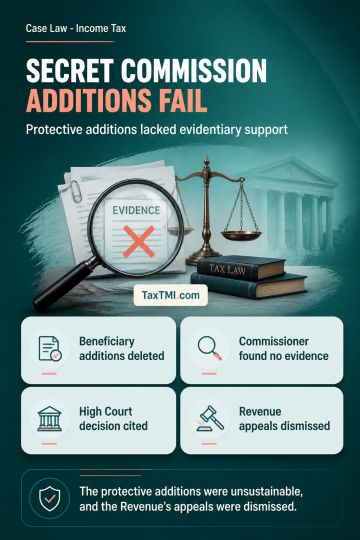
Protective assessment cannot duplicate identical receipts under competing characterisations; remote services did not establish a taxable permanent est...
Current account treatment of overseas tournament services removed most FEMA findings, but excess EEFC remittance and delayed repatriation remained bre...
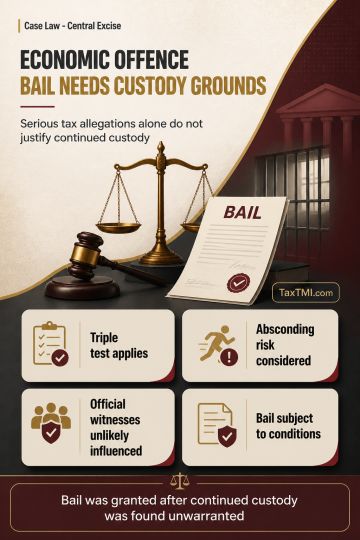
Modification of bail conditions remains available through inherent jurisdiction where onerous deposits undermine justice and cannot recover disputed d...
Maintainability of curative petition - restoration of arbitral award which had been set aside by the Division Bench of the High court on the ground that it suffered from patently illegality. - The Supreme Court found that invoking curative jurisdiction was justified to prevent a miscarriage of justice. It highlighted the circumstances under which curative petitions could be entertained, emphasizing cases where there is a gross miscarriage of justice or abuse of process. The Court reiterated that interference with arbitral awards should be minimal and only on grounds of patent illegality or perversity. It emphasized that an arbitral tribunal's decision should not be disturbed unless it is evident that a reasonable person could not have arrived at such a decision based on the evidence presented.
Maintainability of curative petition - restoration of arbitral award which had been set aside by the Division Bench of the High court on the ground that it suffered from patently illegality. - The Supreme Court found that invoking curative jurisdiction was justified to prevent a miscarriage of justice. It highlighted the circumstances under which curative petitions could be entertained, emphasizing cases where there is a gross miscarriage of justice or abuse of process. The Court reiterated that interference with arbitral awards should be minimal and only on grounds of patent illegality or perversity. It emphasized that an arbitral tribunal's decision should not be disturbed unless it is evident that a reasonable person could not have arrived at such a decision based on the evidence presented.
Note: It is a system-generated summary and is for quick reference only.
 TaxTMI
 of 4805




















 Join Channel


 TaxTMI
