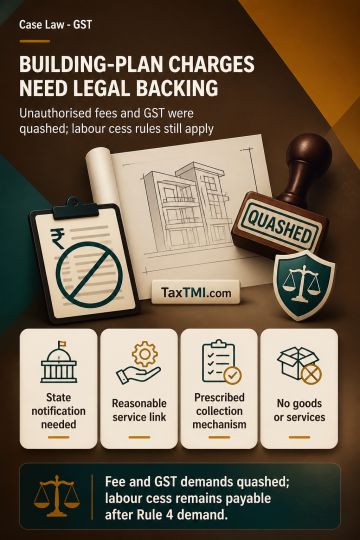
Building-plan sanction charges require statutory authority; unauthorised fees and GST were quashed, while labour cess must follow prescribed collectio...
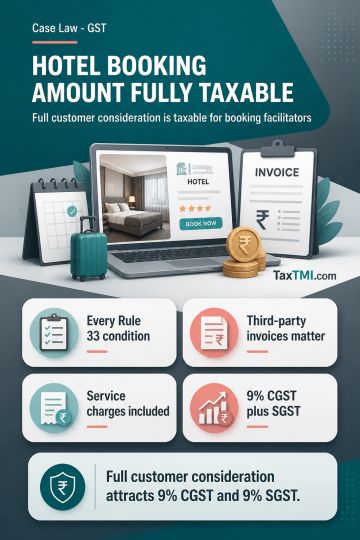
Pure-agent exclusion fails where hotel booking facilitators receive third-party services themselves, making entire customer consideration taxable as r...
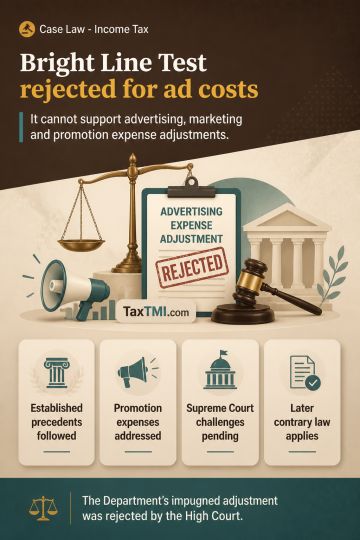
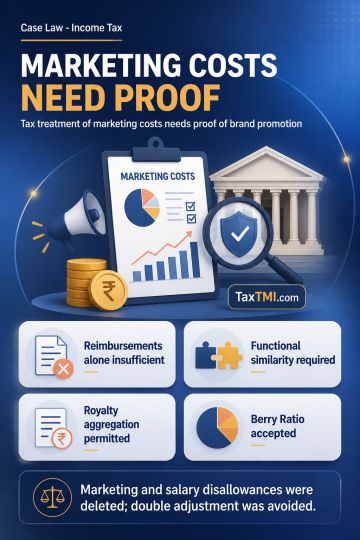
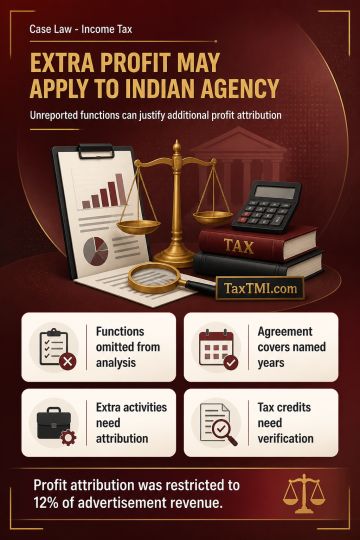
Transfer pricing requires evidence for AMP transactions, functionally reliable comparables, and appropriate aggregation or Berry Ratio benchmarking me...
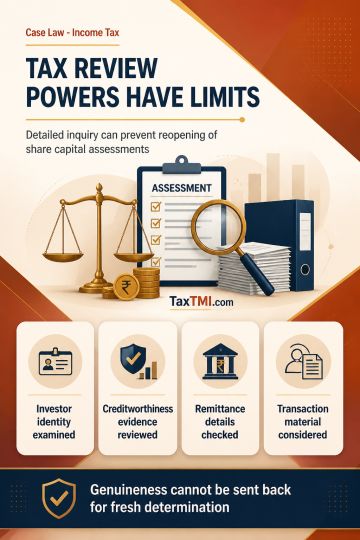
Revisionary jurisdiction cannot reopen share capital assessments where adequate inquiry supports a permissible view and no independent error is establ...
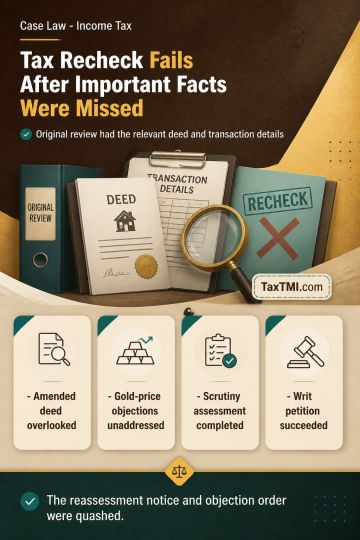
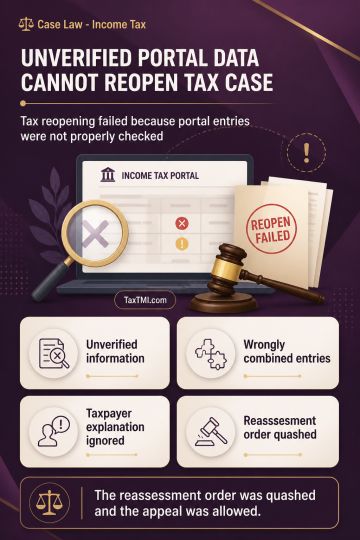
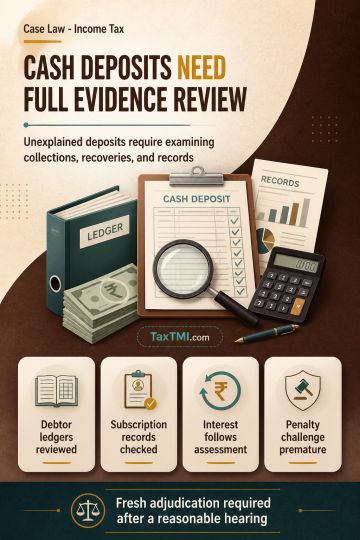
Reassessment jurisdiction fails where unverified portal information is aggregated without examining the taxpayer's explanation or relevance of entries...
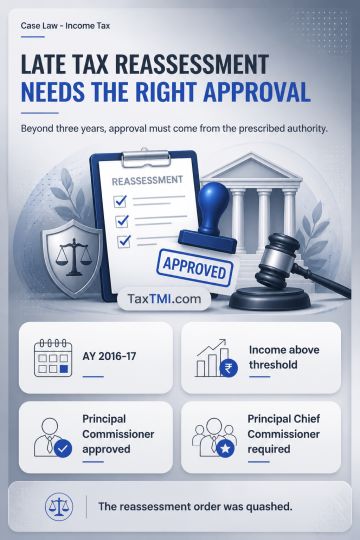
Statutory sanction for delayed reassessment requires approval from the prescribed authority; approval by an inferior authority invalidates jurisdictio...
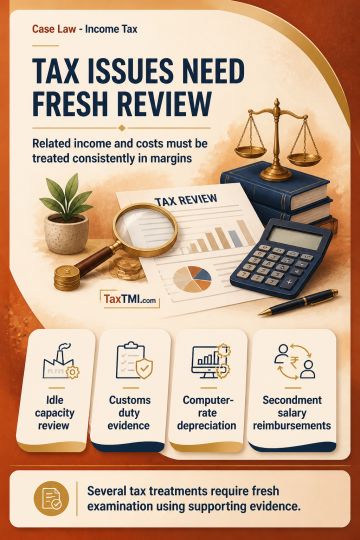
Transfer pricing margin adjustments require matching treatment of non-operating income and related costs, with comparability issues reconsidered on ev...
Insolvency and BankruptcyApril 16, 2024Case LawsSCH
Admissibility of section 9 application - The Appellant argued that the application under the IBC should not have been admitted due to the pendency of a civil suit. However, the Supreme Court held that the existence of a pending civil suit does not preclude the admission of an application under the IBC if there is a genuine dispute regarding the debt. They cited the principle established in Mobilox Innovations Private Limited Vs. Kirusa Software Private Limited [2017 (9) TMI 1270 - SUPREME COURT], emphasizing that the adjudicating authority is only required to determine whether there is a plausible contention for further investigation. Ultimately, the Supreme Court dismissed the appeal, affirming the decision of the lower tribunals to admit the application under the IBC and initiate CIRP against the Corporate Debtor.
Admissibility of section 9 application - The Appellant argued that the application under the IBC should not have been admitted due to the pendency of a civil suit. However, the Supreme Court held that the existence of a pending civil suit does not preclude the admission of an application under the IBC if there is a genuine dispute regarding the debt. They cited the principle established in Mobilox Innovations Private Limited Vs. Kirusa Software Private Limited [2017 (9) TMI 1270 - SUPREME COURT], emphasizing that the adjudicating authority is only required to determine whether there is a plausible contention for further investigation. Ultimately, the Supreme Court dismissed the appeal, affirming the decision of the lower tribunals to admit the application under the IBC and initiate CIRP against the Corporate Debtor.
Note: It is a system-generated summary and is for quick reference only.
 TaxTMI
 of 4803



 Join Channel


 TaxTMI
