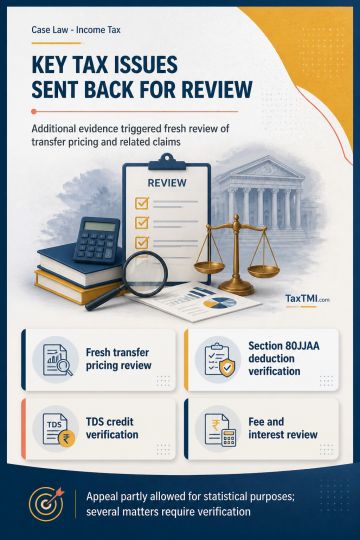
Additional evidence in transfer pricing dispute leads to fresh examination, while tax deductions, TDS credit, fee and refund interest require verifica...
Category II AIF pass-through taxation preserves non-business income character; investment receipts cannot be reclassified without applying recognised ...
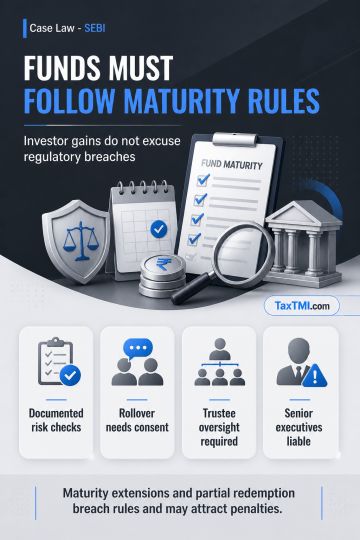
Mutual fund maturity rules require proper rollover, redemption, disclosure, and due diligence; investor gains cannot excuse regulatory breaches or pen...
Threshold exemption excludes exempt services, while stamp-paper purchases avoid reverse charge; consequential service tax penalties were also set asid...
Employee conflict disclosures and investment restrictions expand with new recusal duties, post-employment limits, and compliance reporting requirement...
Insolvency and BankruptcyApril 15, 2024Case LawsAT
Initiation of CIRP based on a corporate guarantee provided to a consortium of lenders- Validity of deed of Guarantee - The tribunal noted that the guarantee exceeded the statutory limits under Section 186 but highlighted that the corporate debtor and principal borrower were closely linked family businesses. This closeness implied a level of awareness and consent to the risks involved, undermining the appellant's argument for invalidity based on statutory non-compliance. It was established that the deed of guarantee was executed in favor of the trusteeship managing the consortium’s interest, thus granting the lenders, including the respondent bank, the right to enforce the guarantee. The tribunal dismissed the appellant's claim of lack of privity of contract.
Initiation of CIRP based on a corporate guarantee provided to a consortium of lenders- Validity of deed of Guarantee - The tribunal noted that the guarantee exceeded the statutory limits under Section 186 but highlighted that the corporate debtor and principal borrower were closely linked family businesses. This closeness implied a level of awareness and consent to the risks involved, undermining the appellant's argument for invalidity based on statutory non-compliance. It was established that the deed of guarantee was executed in favor of the trusteeship managing the consortium’s interest, thus granting the lenders, including the respondent bank, the right to enforce the guarantee. The tribunal dismissed the appellant's claim of lack of privity of contract.
Note: It is a system-generated summary and is for quick reference only.
 TaxTMI
  TaxTMI
 of 4821
















 Join Channel


