Donor-directed corpus contributions retain capital character despite exemption claims under section 10(23C)(vi), preventing their treatment as taxable...
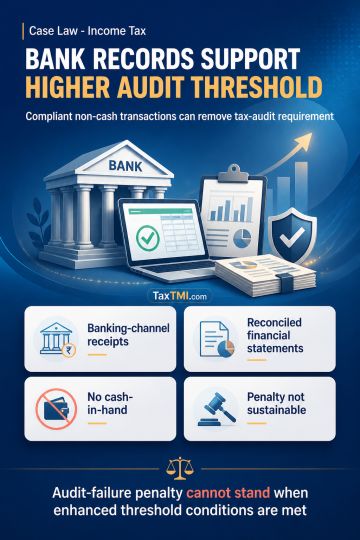
Enhanced tax-audit threshold applies where banking records establish compliant non-cash receipts and payments, eliminating penalty exposure for audit ...
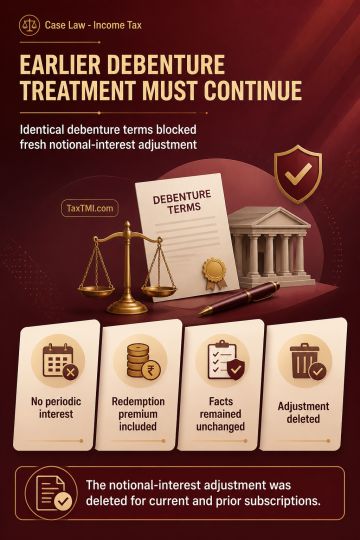
Transfer pricing consistency protects identical non-interest-bearing debenture terms from a later notional-interest adjustment without valid statutory...
Rectification of debatable deduction claims cannot reverse scrutiny-approved co-operative society interest income deductions as apparent record errors...
Cash-method accounting bars presumptive interest taxation, while unsupported securities and share-trading additions require reliable material and veri...
Insolvency and BankruptcyApril 15, 2024Case LawsAT
Initiation of CIRP based on a corporate guarantee provided to a consortium of lenders- Validity of deed of Guarantee - The tribunal noted that the guarantee exceeded the statutory limits under Section 186 but highlighted that the corporate debtor and principal borrower were closely linked family businesses. This closeness implied a level of awareness and consent to the risks involved, undermining the appellant's argument for invalidity based on statutory non-compliance. It was established that the deed of guarantee was executed in favor of the trusteeship managing the consortium’s interest, thus granting the lenders, including the respondent bank, the right to enforce the guarantee. The tribunal dismissed the appellant's claim of lack of privity of contract.
Initiation of CIRP based on a corporate guarantee provided to a consortium of lenders- Validity of deed of Guarantee - The tribunal noted that the guarantee exceeded the statutory limits under Section 186 but highlighted that the corporate debtor and principal borrower were closely linked family businesses. This closeness implied a level of awareness and consent to the risks involved, undermining the appellant's argument for invalidity based on statutory non-compliance. It was established that the deed of guarantee was executed in favor of the trusteeship managing the consortium’s interest, thus granting the lenders, including the respondent bank, the right to enforce the guarantee. The tribunal dismissed the appellant's claim of lack of privity of contract.
Note: It is a system-generated summary and is for quick reference only.
 TaxTMI
  TaxTMI
 of 4807



















 Join Channel


