GST refunds for cancelled air tickets remain available when passenger reimbursements defeat unjust enrichment and credit-note adjustment is unavailabl...
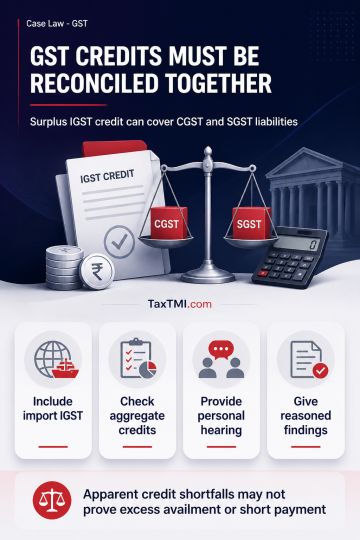
IGST exemption at the time of import of input materials by the appellant - Advance Authorization Scheme - The Tribunal acknowledged that while the Advance Authorization was initially issued under Notification No. 18/2005, it was subsequently revised to Notification No. 21/2015. However, considering the appellant's use of the imported goods for manufacturing final products that were exported, and the issuance of discharge certificates by the DGFT confirming export obligations, the Tribunal concluded that the appellant should be entitled to the benefit under Notification No. 18/2015–CUS. Additionally, it noted the contributory negligence on the part of Revenue for allowing IGST exemption under Notification No. 18/2015–CUS. Consequently, the Tribunal held that the demand for IGST exemption was not sustainable.
IGST exemption at the time of import of input materials by the appellant - Advance Authorization Scheme - The Tribunal acknowledged that while the Advance Authorization was initially issued under Notification No. 18/2005, it was subsequently revised to Notification No. 21/2015. However, considering the appellant's use of the imported goods for manufacturing final products that were exported, and the issuance of discharge certificates by the DGFT confirming export obligations, the Tribunal concluded that the appellant should be entitled to the benefit under Notification No. 18/2015–CUS. Additionally, it noted the contributory negligence on the part of Revenue for allowing IGST exemption under Notification No. 18/2015–CUS. Consequently, the Tribunal held that the demand for IGST exemption was not sustainable.
Note: It is a system-generated summary and is for quick reference only.
 TaxTMI
  TaxTMI
 of 4918