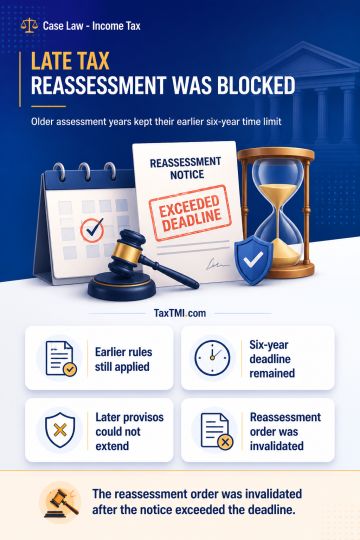
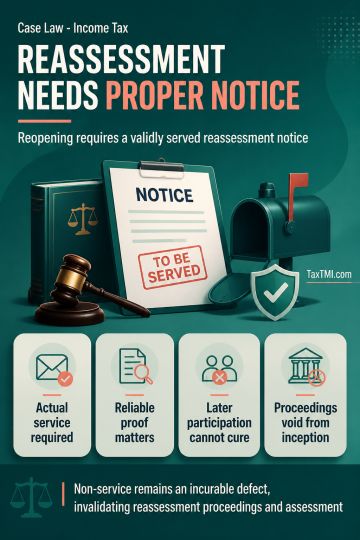
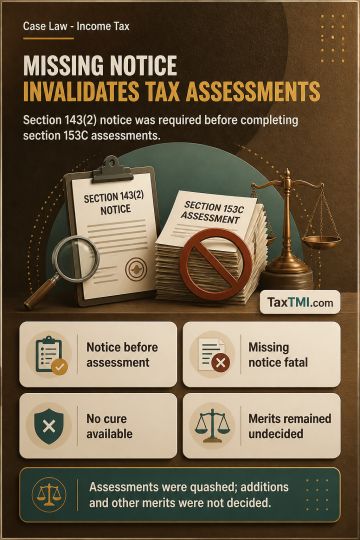
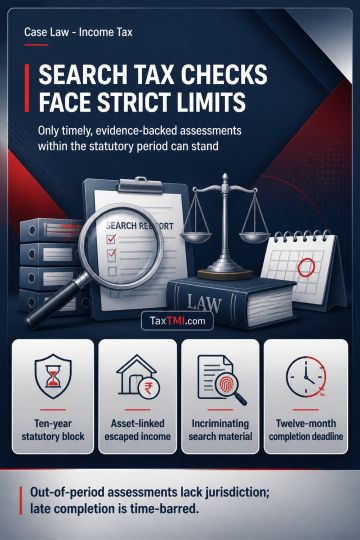
Pre-amendment reassessment limitation bars late notices under the preserved regime, invalidating consequential reassessment for affected earlier asses...
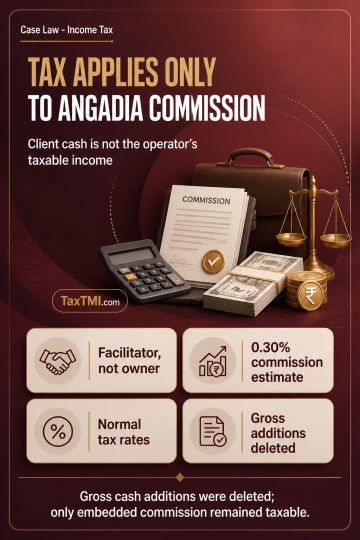
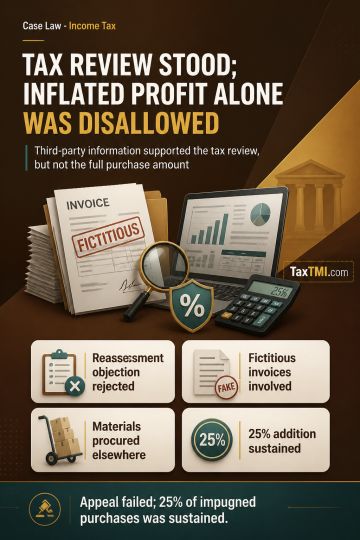
Cash-sales explanations for bank deposits require documentary reconciliation; reassessment notice survived where effective response time was available...
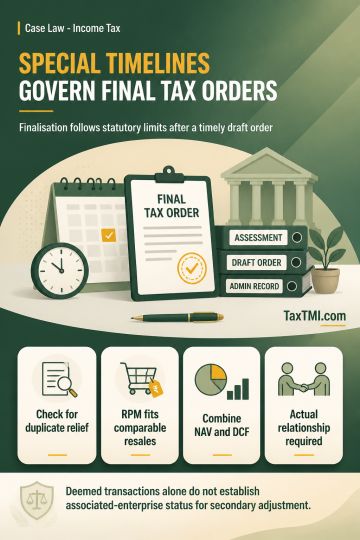
Functional comparability in transfer pricing prevents ad hoc arm's length adjustments where functions, assets, risks and reliable comparables are unes...
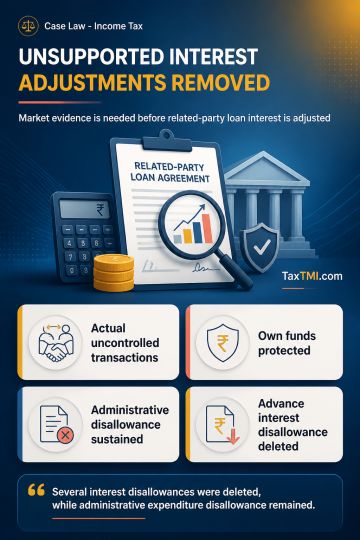
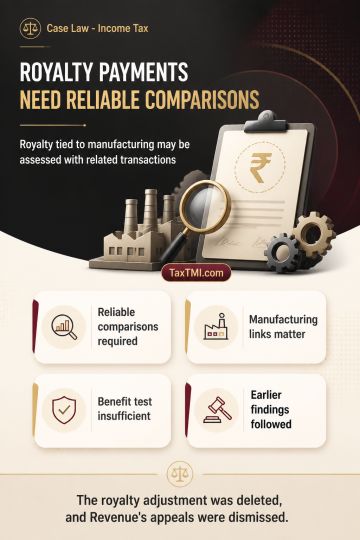
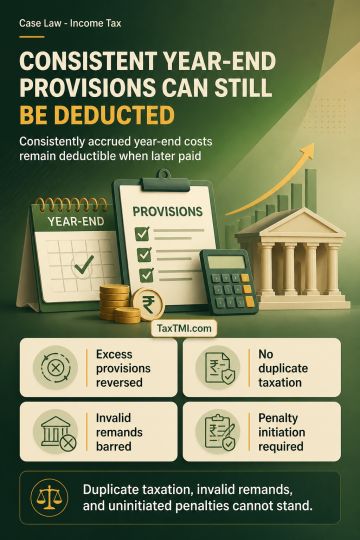
Contingency expenses, exempt-income disallowance, and royalty benchmarking: unsupported adjustments were deleted under consistent accounting and trans...
Constitutional power of the Central Government over State - The imposition of a Net Borrowing Ceiling on the state - The inclusion of State-Owned Enterprises in the borrowing restrictions - The adjustment of over-borrowing from previous fiscal years against the current year's borrowing limit - Significantly, the Supreme Court decided to refer these constitutional questions to a larger bench, acknowledging the lack of previous authoritative interpretation on Article 293 and recognizing the potential implications for the federal structure of governance in India. - On the matter of granting interim relief to the state, the Court applied the triple-test criteria: prima facie case, balance of convenience, and irreparable injury. The judgment concluded that the state failed to establish a compelling prima facie case, noting discrepancies in the claimed fiscal space for borrowing and highlighting the Union's arguments on over-utilization of borrowing limits.
Constitutional power of the Central Government over State - The imposition of a Net Borrowing Ceiling on the state - The inclusion of State-Owned Enterprises in the borrowing restrictions - The adjustment of over-borrowing from previous fiscal years against the current year's borrowing limit - Significantly, the Supreme Court decided to refer these constitutional questions to a larger bench, acknowledging the lack of previous authoritative interpretation on Article 293 and recognizing the potential implications for the federal structure of governance in India. - On the matter of granting interim relief to the state, the Court applied the triple-test criteria: prima facie case, balance of convenience, and irreparable injury. The judgment concluded that the state failed to establish a compelling prima facie case, noting discrepancies in the claimed fiscal space for borrowing and highlighting the Union's arguments on over-utilization of borrowing limits.
Note: It is a system-generated summary and is for quick reference only.
 TaxTMI
  TaxTMI
 of 4921