Pre-existing operational debt disputes require genuine evidence, while undirected running-account payments may be appropriated on a first-in-first-out...
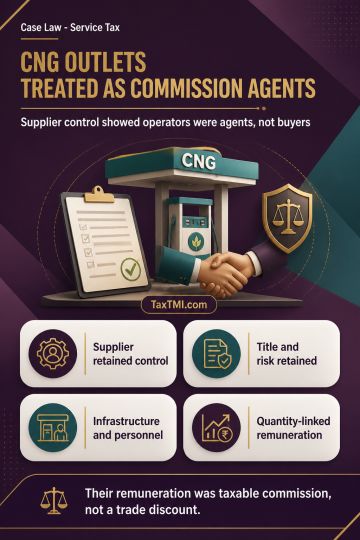
Agency in CNG distribution makes outlet operators commission agents, rendering taxable Business Auxiliary Service rather than purchasing goods for res...
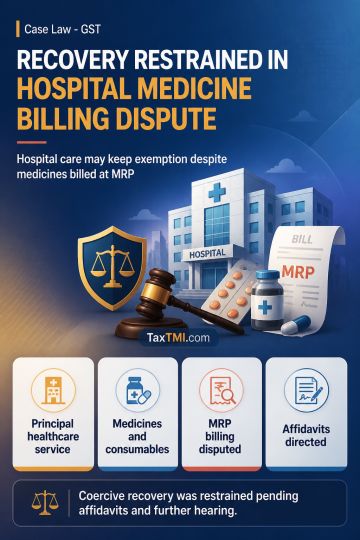
Composite inpatient healthcare supply may retain exemption despite MRP medicine billing, while separate taxable sale characterisation remains disputed...
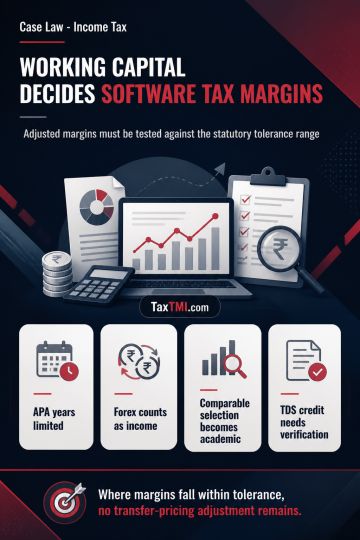
Working-capital adjustment determines whether software-services transfer-pricing margins fall within the statutory tolerance range, eliminating any ad...
Page of 4798
Press 'Enter' after typing page number.
921 to 940 of 95957 Results
❮
❯
❯❯
0 / 200
Expand Note
Add to Folder
No Folders have been created
+
Are you sure you want to delete "My most important" ?
Taxability in India of receipts of foreign AEs - Fee for Technical Services (FTS) - Master Service Agreement relied upon - The Tribunal extensively reviewed the MSA, emphasizing that it established an independent contractor relationship between the Indian entity and its foreign counterparts. It highlighted that the foreign entities had ownership of the intellectual property developed, bore the risk of performance, and had an obligation to indemnify the Indian entity for errors or performance issues. - The ITAT's ruling clarifies the distinction between revenue sharing from a consolidated project and FTS, reinforcing the principle that the nature of the payment depends on the underlying contractual relationships and the actual conduct of parties. - It was held that payments made by HCLT to the foreign AEs could not be construed as FTS.
Taxability in India of receipts of foreign AEs - Fee for Technical Services (FTS) - Master Service Agreement relied upon - The Tribunal extensively reviewed the MSA, emphasizing that it established an independent contractor relationship between the Indian entity and its foreign counterparts. It highlighted that the foreign entities had ownership of the intellectual property developed, bore the risk of performance, and had an obligation to indemnify the Indian entity for errors or performance issues. - The ITAT's ruling clarifies the distinction between revenue sharing from a consolidated project and FTS, reinforcing the principle that the nature of the payment depends on the underlying contractual relationships and the actual conduct of parties. - It was held that payments made by HCLT to the foreign AEs could not be construed as FTS.
Note: It is a system-generated summary and is for quick reference only.
 TaxTMI
 of 4798









 Join Channel


 TaxTMI