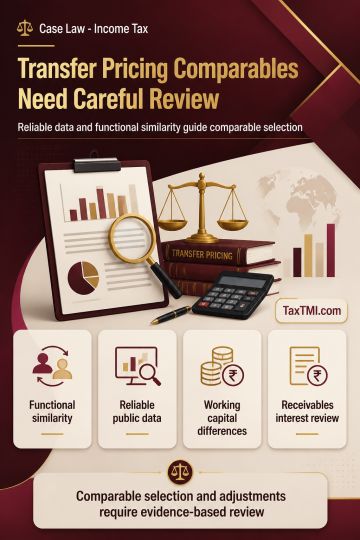
Transfer pricing comparability requires functional alignment, reliable financial data, and careful review of working capital and receivables adjustmen...
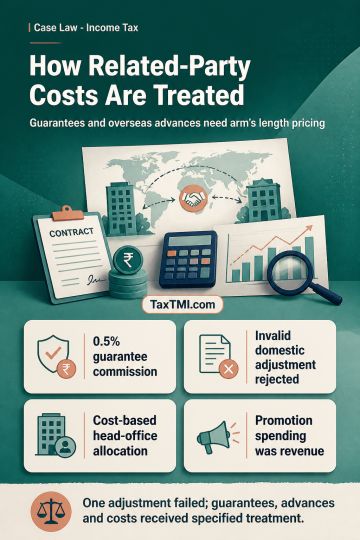
Transfer pricing rules require benchmarking corporate guarantees and associated-enterprise advances, while invalid domestic-transaction adjustments ca...
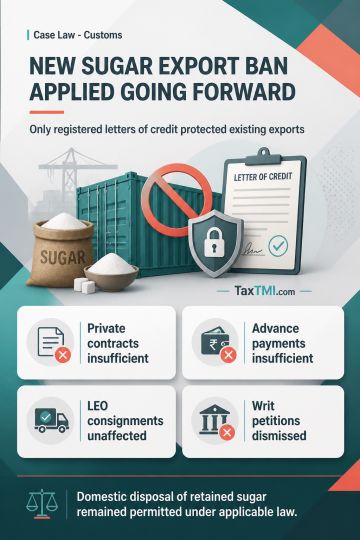
Prospective sugar export prohibition required registered letters of credit; private contracts and export quotas created no enforceable continuation ri...
Retroactive interim-moratorium exclusion permits protective asset disclosure and preservation measures against personal guarantors pending arbitration...
Exemption from Duty - Supply chain dynamics of food preparations intended for free distribution to economically weaker sections under a government-approved program - The tribunal found that the appellant's products were indeed eligible for the exemption under Notification No. 12/2012-CE. It was determined that both the Complementary Weaning Food (CWF) and the Blend of Critical Processed Materials (BCPM) manufactured by the appellant were intended for free distribution to beneficiaries under the ICDS scheme, fulfilling the criteria laid down in the notification. - The tribunal also addressed the invocation of the extended period for the demand of duties. It concluded that there was no suppression of facts by the appellant that warranted such invocation, making the demand unsustainable on limitation grounds as well.
Exemption from Duty - Supply chain dynamics of food preparations intended for free distribution to economically weaker sections under a government-approved program - The tribunal found that the appellant's products were indeed eligible for the exemption under Notification No. 12/2012-CE. It was determined that both the Complementary Weaning Food (CWF) and the Blend of Critical Processed Materials (BCPM) manufactured by the appellant were intended for free distribution to beneficiaries under the ICDS scheme, fulfilling the criteria laid down in the notification. - The tribunal also addressed the invocation of the extended period for the demand of duties. It concluded that there was no suppression of facts by the appellant that warranted such invocation, making the demand unsustainable on limitation grounds as well.
Note: It is a system-generated summary and is for quick reference only.
 TaxTMI
 of 4788









 Join Channel


 TaxTMI