Prolonged sterilisation of development rights supports capital-gains treatment, while business-income disallowances cannot govern capital-gains comput...
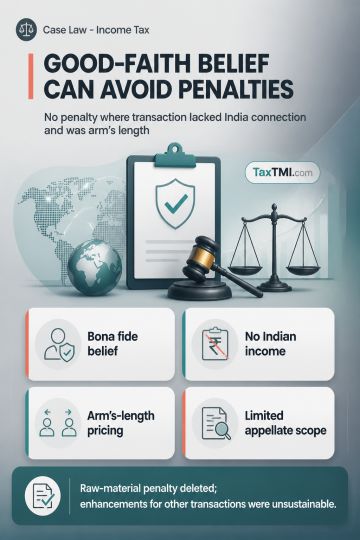
Additional evidence in transfer pricing dispute leads to fresh examination, while tax deductions, TDS credit, fee and refund interest require verifica...
Category II AIF pass-through taxation preserves non-business income character; investment receipts cannot be reclassified without applying recognised ...
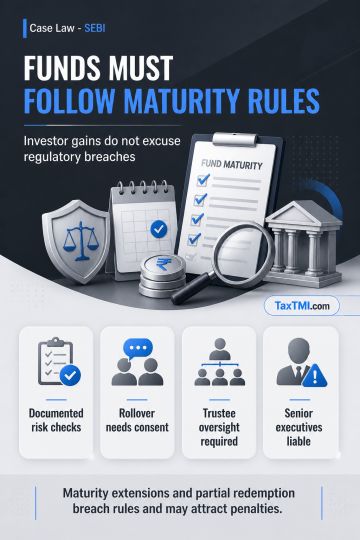
Mutual fund maturity rules require proper rollover, redemption, disclosure, and due diligence; investor gains cannot excuse regulatory breaches or pen...
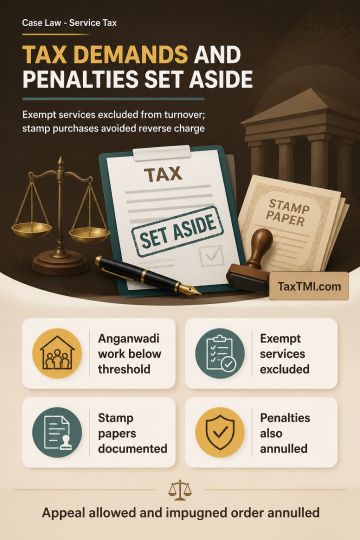
Threshold exemption excludes exempt services, while stamp-paper purchases avoid reverse charge; consequential service tax penalties were also set asid...
Refund of the excess duty paid - whether subsequent negotiation of the prices can be the basis for reopening the assessment? - The Tribunal observed that the appellant cleared goods on stock transfer basis to their depots, adopting the price prevailing at or nearest to the time of sale from the depots. This was done in accordance with Rule 7 of the Central Excise Valuation Rules. Subsequent negotiation of prices did not affect the assessable value already determined and on which duty liability was discharged. The Tribunal cited precedent to support this conclusion.
Refund of the excess duty paid - whether subsequent negotiation of the prices can be the basis for reopening the assessment? - The Tribunal observed that the appellant cleared goods on stock transfer basis to their depots, adopting the price prevailing at or nearest to the time of sale from the depots. This was done in accordance with Rule 7 of the Central Excise Valuation Rules. Subsequent negotiation of prices did not affect the assessable value already determined and on which duty liability was discharged. The Tribunal cited precedent to support this conclusion.
Note: It is a system-generated summary and is for quick reference only.
 TaxTMI
 of 4805

















 Join Channel


 TaxTMI
