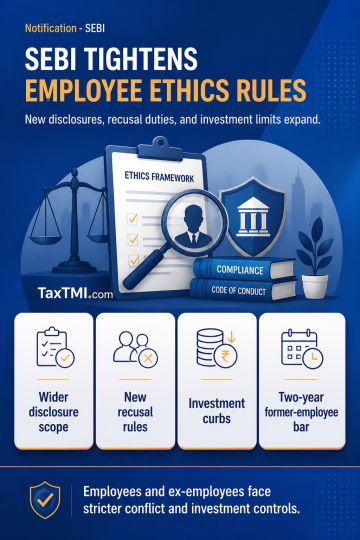
Employee conflict disclosures and investment restrictions expand with new recusal duties, post-employment limits, and compliance reporting requirement...
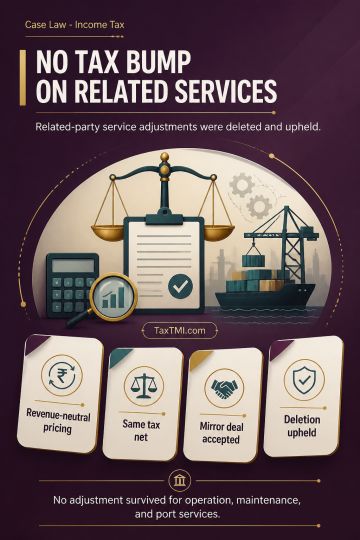
Revenue-neutral domestic transfer pricing and mirror transactions justified deletion of related-party adjustments for operation, maintenance and port ...
Container storage charges - The High Court upheld the decision of the single judge, stating that since the goods were indeed confiscated by customs authorities while in transit, the port trust was justified in levying container storage charges. The appellant's inactivity after requesting permission to de-stuff the goods did not absolve them of liability. The court dismissed the appellant's argument that containers could not be considered "goods" under the Customs Act. It upheld the legality of the customs authorities' orders of confiscation, as they had the power to confiscate both goods and containers under Section 111(d) of the Customs Act.
Container storage charges - The High Court upheld the decision of the single judge, stating that since the goods were indeed confiscated by customs authorities while in transit, the port trust was justified in levying container storage charges. The appellant's inactivity after requesting permission to de-stuff the goods did not absolve them of liability. The court dismissed the appellant's argument that containers could not be considered "goods" under the Customs Act. It upheld the legality of the customs authorities' orders of confiscation, as they had the power to confiscate both goods and containers under Section 111(d) of the Customs Act.
Note: It is a system-generated summary and is for quick reference only.
 TaxTMI
 of 4805






 Join Channel


 TaxTMI
