Composite inpatient healthcare supply may retain exemption despite MRP medicine billing, while separate taxable sale characterisation remains disputed...
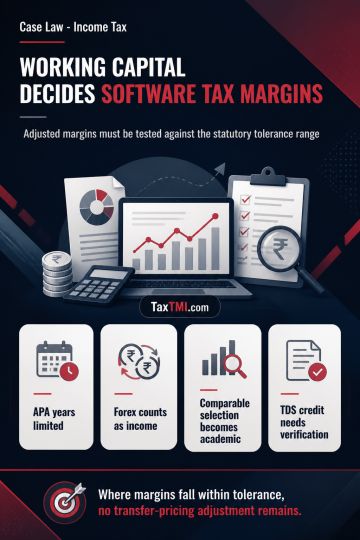
Working-capital adjustment determines whether software-services transfer-pricing margins fall within the statutory tolerance range, eliminating any ad...
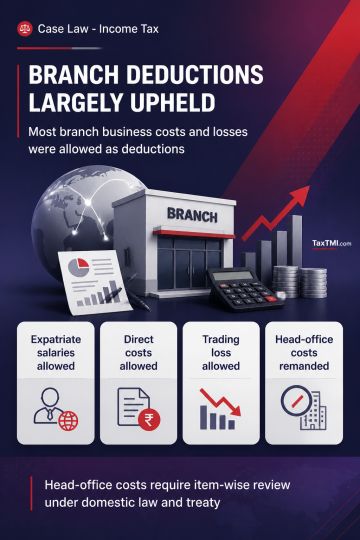
Permanent establishment deductions upheld for expatriate salaries, direct costs and trading losses, while head-office costs require fresh classificati...
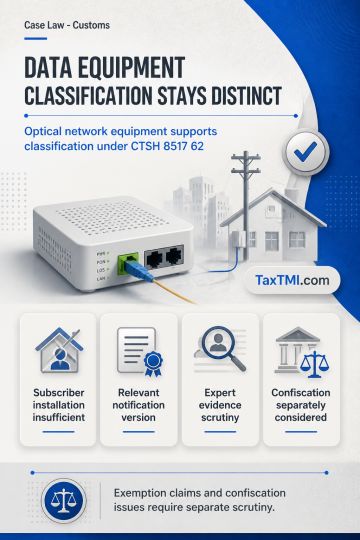
Data transmission equipment classification under CTSH 8517 62 remains distinct from residual classification, with exemption evidence requiring scrutin...
Container storage charges - The High Court upheld the decision of the single judge, stating that since the goods were indeed confiscated by customs authorities while in transit, the port trust was justified in levying container storage charges. The appellant's inactivity after requesting permission to de-stuff the goods did not absolve them of liability. The court dismissed the appellant's argument that containers could not be considered "goods" under the Customs Act. It upheld the legality of the customs authorities' orders of confiscation, as they had the power to confiscate both goods and containers under Section 111(d) of the Customs Act.
Container storage charges - The High Court upheld the decision of the single judge, stating that since the goods were indeed confiscated by customs authorities while in transit, the port trust was justified in levying container storage charges. The appellant's inactivity after requesting permission to de-stuff the goods did not absolve them of liability. The court dismissed the appellant's argument that containers could not be considered "goods" under the Customs Act. It upheld the legality of the customs authorities' orders of confiscation, as they had the power to confiscate both goods and containers under Section 111(d) of the Customs Act.
Note: It is a system-generated summary and is for quick reference only.
 TaxTMI
 of 4803










 Join Channel


 TaxTMI
