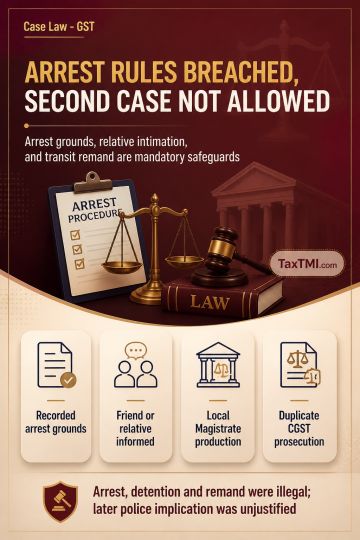
Arrest safeguards require disclosed grounds, relative intimation and transit remand, while duplicate prosecution under the CGST framework is unsustain...
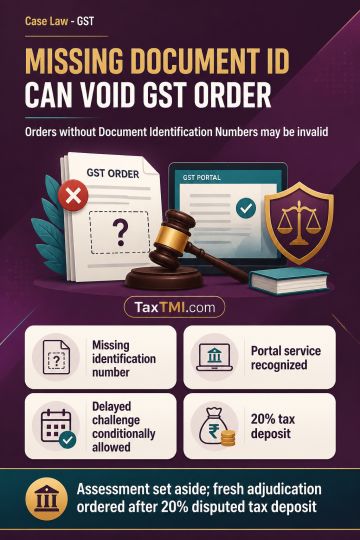
Document Identification Number defects can invalidate GST assessments, with delayed challenges entertained conditionally where patent irregularities e...
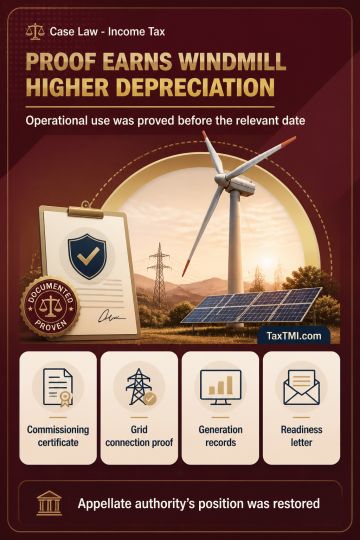
Windmill commissioning evidence supported higher depreciation where grid connection and electricity generation proved operational use before the relev...
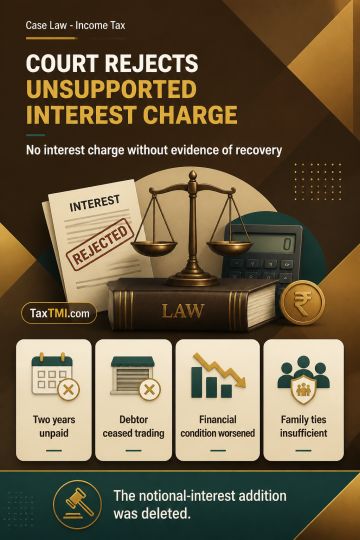
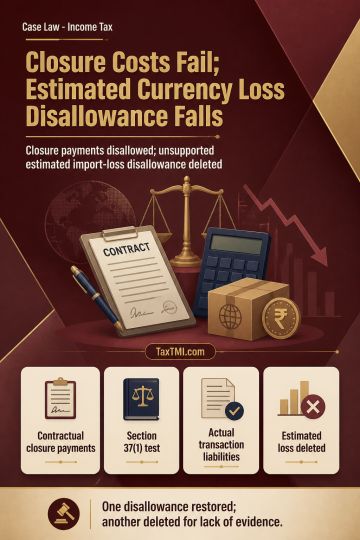
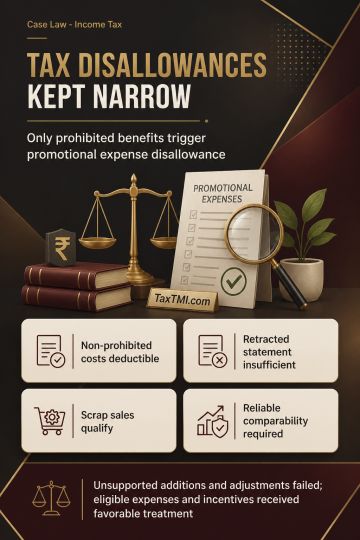
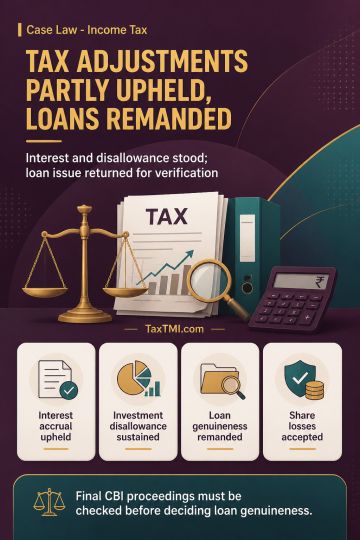
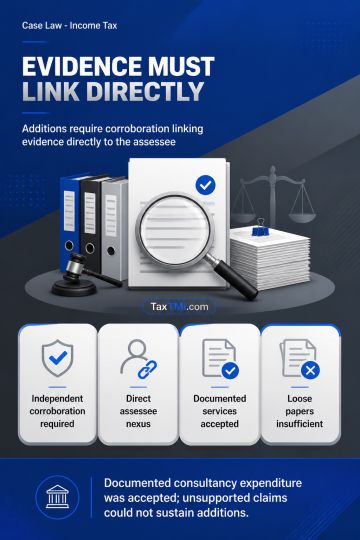
Pharmaceutical promotion and transfer-pricing comparability principles limited disallowances, while uncorroborated search allegations and unsupported ...
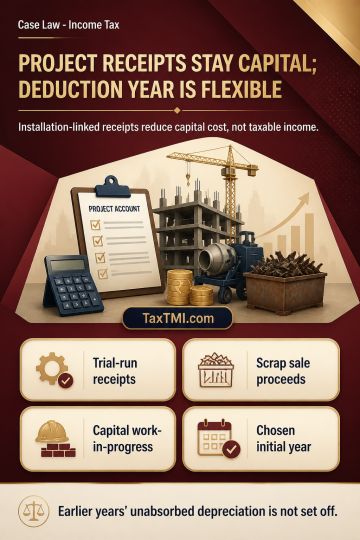
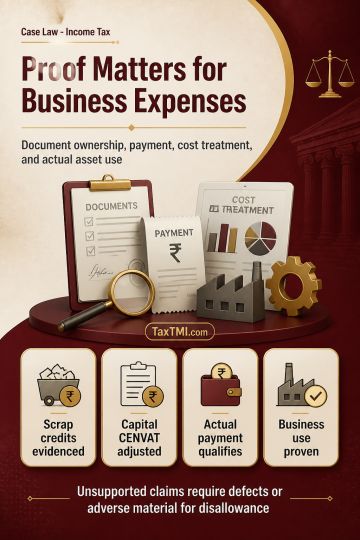
Business expenditure substantiation supports scrap credits, statutory payments and expense claims, while depreciation requires proof of actual busines...
Levy of penalty equivalent to the tax on employees - wrongful utilization of Input Tax Credit - The High Court scrutinized the applicability of Sections 122(1A) and 137 of the CGST Act to the petitioners, emphasizing that these sections target "taxable persons" and entities responsible for the conduct of a company's business. It was determined that individual employees, who do not stand to personally benefit from the tax credits or evasion in question, do not fall within the scope of these sections as applied in the show cause notice. - It was clarified that the petitioners, in their capacity as employees, could not be deemed directly responsible for the alleged tax evasion merely based on their roles within the company, especially in the absence of concrete proof of their direct involvement or benefit from the evasion.
Levy of penalty equivalent to the tax on employees - wrongful utilization of Input Tax Credit - The High Court scrutinized the applicability of Sections 122(1A) and 137 of the CGST Act to the petitioners, emphasizing that these sections target "taxable persons" and entities responsible for the conduct of a company's business. It was determined that individual employees, who do not stand to personally benefit from the tax credits or evasion in question, do not fall within the scope of these sections as applied in the show cause notice. - It was clarified that the petitioners, in their capacity as employees, could not be deemed directly responsible for the alleged tax evasion merely based on their roles within the company, especially in the absence of concrete proof of their direct involvement or benefit from the evasion.
Note: It is a system-generated summary and is for quick reference only.
 TaxTMI
 of 4805




 Join Channel


 TaxTMI