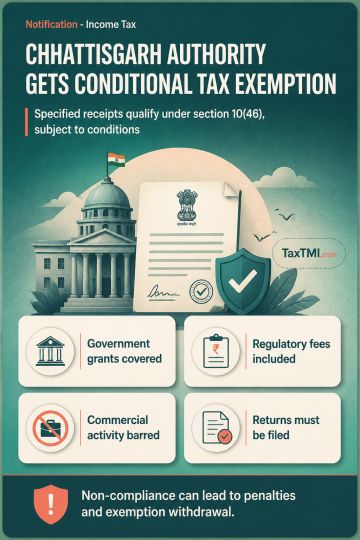
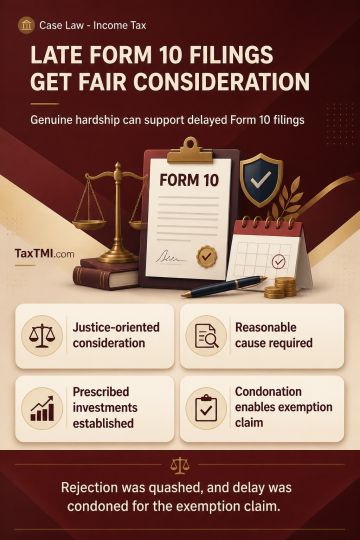
Specified regulatory authority income receives conditional tax exemption, subject to non-commercial activity, unchanged income character, and return f...
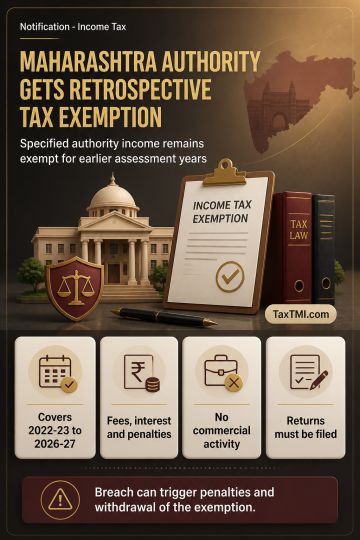
Tax exemption for regulatory authority income applies retrospectively, subject to non-commercial activity, unchanged income sources, and return-filing...
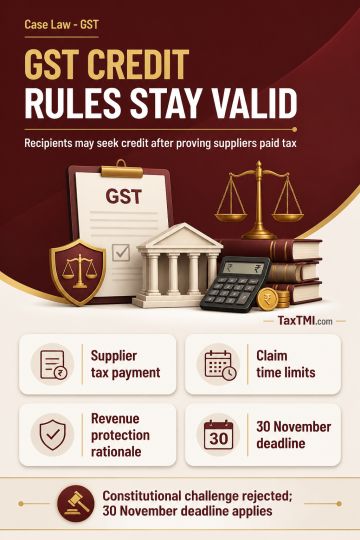
Input tax credit conditions remain constitutionally valid, with eligible recipient claims considered under GST circulars and retrospective filing dead...
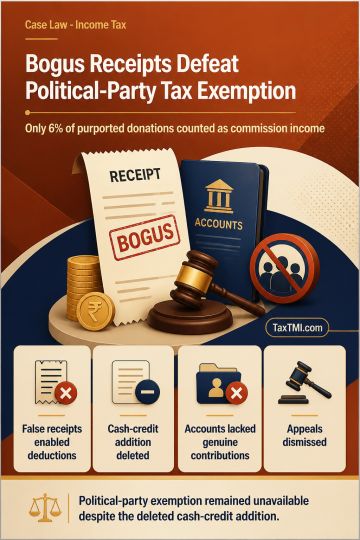
Bogus donation receipts justified commission income assessment and defeated political-party tax exemption for inaccurate accounts and reporting failur...
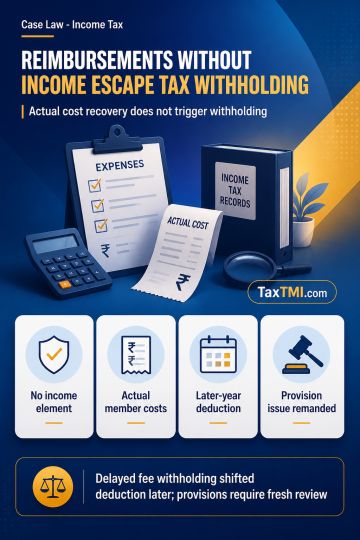
Pure reimbursement without income element escapes tax withholding, while delayed withholding and unsupported provisions face deferred or renewed scrut...
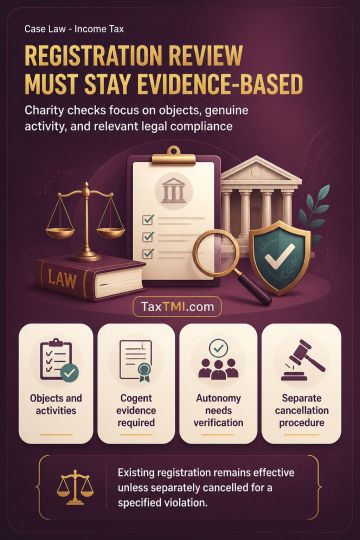
Public benefit requirement defeats charitable registration where residents' association services are reciprocal, member-only facilities governed by mu...
The Tribunal meticulously analyzed each issue, heavily relying on precedent ITAT decisions and the specifics of the case presented. For the major contentious points, such as disallowance under section 14A and the deduction of salary to expatriate employees, the Tribunal sided with the assessee, providing detailed rationales based on prior rulings and the facts of the case. Similarly, for transfer pricing adjustments and the methodological disputes therein, the Tribunal preferred the assessee's approach, especially highlighting the inappropriate application of the Comparable Uncontrolled Price (CUP) method by the Transfer Pricing Officer (TPO) in the context of interbank indemnities.
The Tribunal meticulously analyzed each issue, heavily relying on precedent ITAT decisions and the specifics of the case presented. For the major contentious points, such as disallowance under section 14A and the deduction of salary to expatriate employees, the Tribunal sided with the assessee, providing detailed rationales based on prior rulings and the facts of the case. Similarly, for transfer pricing adjustments and the methodological disputes therein, the Tribunal preferred the assessee's approach, especially highlighting the inappropriate application of the Comparable Uncontrolled Price (CUP) method by the Transfer Pricing Officer (TPO) in the context of interbank indemnities.
Note: It is a system-generated summary and is for quick reference only.
 TaxTMI
 of 4805





 Join Channel


 TaxTMI