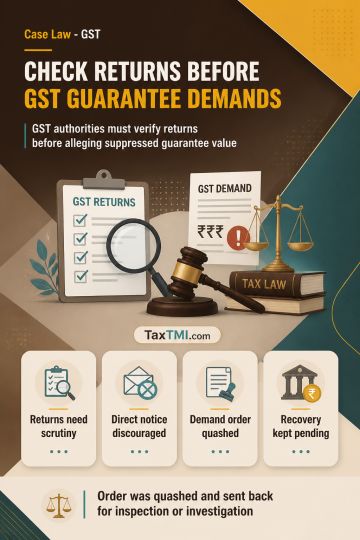
Transaction value rejection requires reliable corroboration; refundable VAT is excluded and temporary registration does not defeat new-vehicle exempti...
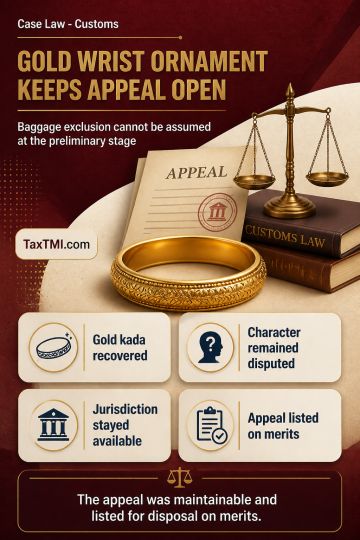
Appellate jurisdiction remains available where a wrist-worn gold ornament cannot conclusively be characterised as imported baggage at the preliminary ...
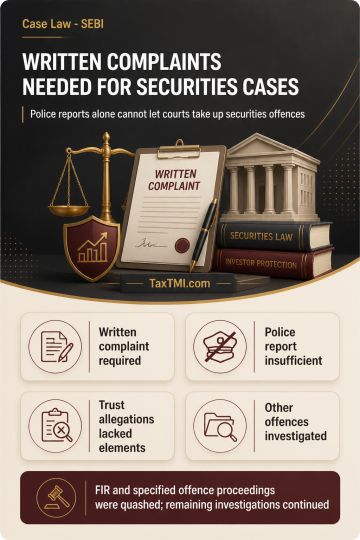
Written complaint requirement bars cognizance on police reports for securities offences, while unsupported breach of trust and cheating allegations fa...
Risk-based postal import clearance standardises electronic assessment, document requests, duty realisation and delivery controls at Foreign Post Offic...
Customs Cargo Service Provider appointment extends custodianship to additional terminal land, subject to cargo-control, security and licence condition...
Time Limitation - Curable Defect - Electronic Filing Compliance - Procedural Compliances vs. Substantive Rights: - The High Court found that the petitioners complied with the e-filing requirements, evidenced by the generation of an e-filing number. This compliance, despite the subsequent procedural deficiency, was considered as filing within the limitation period. The "Document not serial" error, a result of technical failures, was deemed a curable defect. Importantly, the Court opined that procedural compliances, including those encountered in the e-filing process, should not defeat the substantive rights of the parties. The essence of the ruling was that technical glitches should not bar access to legal remedies, particularly when the initial attempt to file was made within the prescribed limitation period.
Time Limitation - Curable Defect - Electronic Filing Compliance - Procedural Compliances vs. Substantive Rights: - The High Court found that the petitioners complied with the e-filing requirements, evidenced by the generation of an e-filing number. This compliance, despite the subsequent procedural deficiency, was considered as filing within the limitation period. The "Document not serial" error, a result of technical failures, was deemed a curable defect. Importantly, the Court opined that procedural compliances, including those encountered in the e-filing process, should not defeat the substantive rights of the parties. The essence of the ruling was that technical glitches should not bar access to legal remedies, particularly when the initial attempt to file was made within the prescribed limitation period.
Note: It is a system-generated summary and is for quick reference only.
 TaxTMI
  TaxTMI
 of 4826








 Join Channel