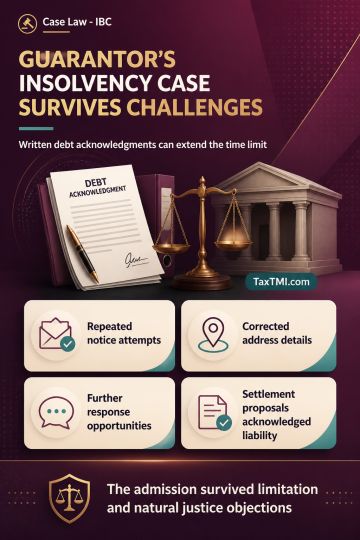
Service of notice and contractual debt acknowledgment preserved insolvency admission against a corporate guarantor despite limitation and natural just...
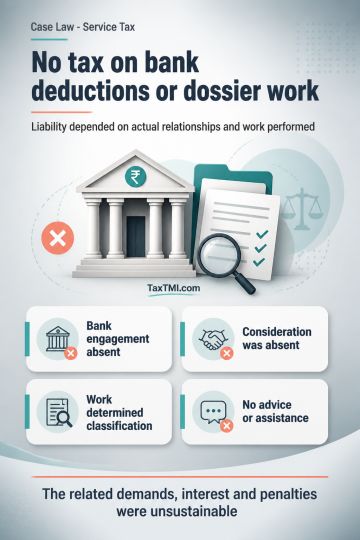
Original works exemption excludes standalone boulder transportation, leaving subcontracted railway-project transport services subject to service tax l...
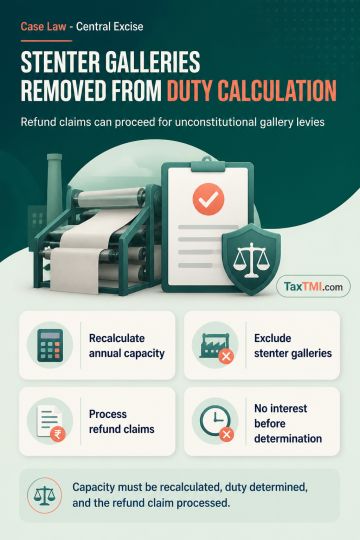
Annual production capacity determinations excluding stenter galleries support refunds for unconstitutional excise levies without an unjust-enrichment ...
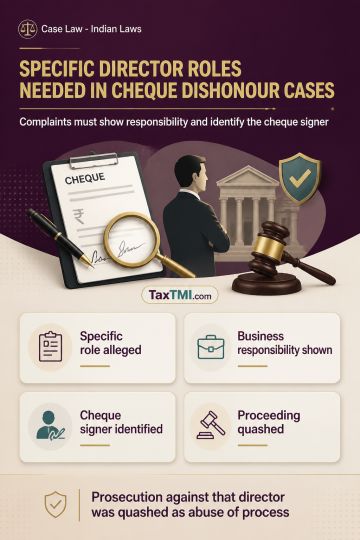
Vicarious liability for cheque dishonour requires specific allegations of responsibility and cheque signatory; generic director allegations cannot sus...
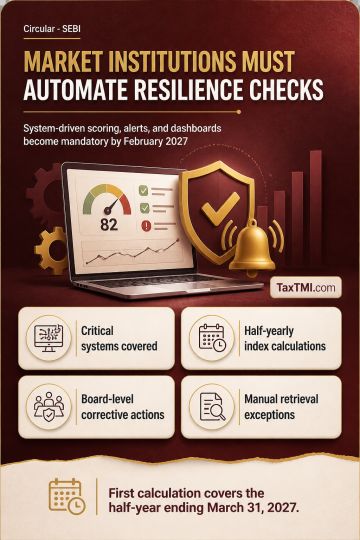
IT Resilience Index requires market infrastructure institutions to automate resilience scoring, early warnings, and continuous service-delivery monito...
Time Limitation - Curable Defect - Electronic Filing Compliance - Procedural Compliances vs. Substantive Rights: - The High Court found that the petitioners complied with the e-filing requirements, evidenced by the generation of an e-filing number. This compliance, despite the subsequent procedural deficiency, was considered as filing within the limitation period. The "Document not serial" error, a result of technical failures, was deemed a curable defect. Importantly, the Court opined that procedural compliances, including those encountered in the e-filing process, should not defeat the substantive rights of the parties. The essence of the ruling was that technical glitches should not bar access to legal remedies, particularly when the initial attempt to file was made within the prescribed limitation period.
Time Limitation - Curable Defect - Electronic Filing Compliance - Procedural Compliances vs. Substantive Rights: - The High Court found that the petitioners complied with the e-filing requirements, evidenced by the generation of an e-filing number. This compliance, despite the subsequent procedural deficiency, was considered as filing within the limitation period. The "Document not serial" error, a result of technical failures, was deemed a curable defect. Importantly, the Court opined that procedural compliances, including those encountered in the e-filing process, should not defeat the substantive rights of the parties. The essence of the ruling was that technical glitches should not bar access to legal remedies, particularly when the initial attempt to file was made within the prescribed limitation period.
Note: It is a system-generated summary and is for quick reference only.
 TaxTMI
  TaxTMI
 of 4817






 Join Channel