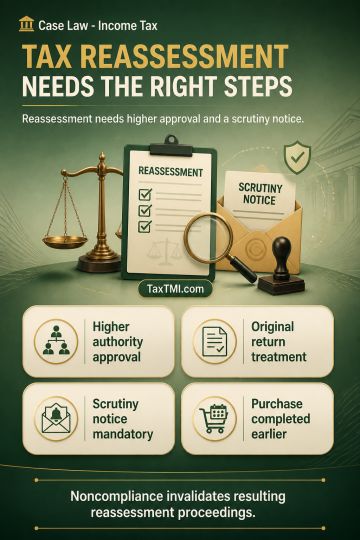
Opportunity to furnish unsecured-loan confirmations is required before reassessment initiation; proceedings require fresh consideration after taxpayer...
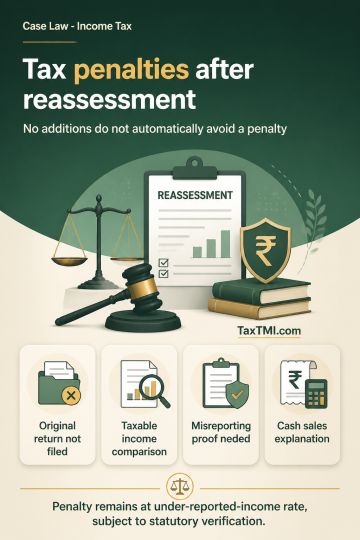
Under-reporting on a first reassessment return attracts penalty, while enhanced misreporting penalty requires proof of a statutory misreporting catego...
Invocation of jurisdiction of this Court under Section 482 of the Cr.P.C - cognizance of offences on basis of supplementary complaint filed by the respondent against the petitioner second time - Regarding the filing of the supplementary complaint, the High Court determined that it was permissible under the law, especially when further investigation uncovers new evidence or implicates additional offenders. - However, concerning the Special Judge's actions in taking cognizance and issuing process based on the supplementary complaint, the High Court found them legally unsustainable. It clarified that cognizance can only be taken once for the same offense and that the court cannot take cognizance again based on a supplementary complaint when proceedings are already underway based on the initial complaint.
Invocation of jurisdiction of this Court under Section 482 of the Cr.P.C - cognizance of offences on basis of supplementary complaint filed by the respondent against the petitioner second time - Regarding the filing of the supplementary complaint, the High Court determined that it was permissible under the law, especially when further investigation uncovers new evidence or implicates additional offenders. - However, concerning the Special Judge's actions in taking cognizance and issuing process based on the supplementary complaint, the High Court found them legally unsustainable. It clarified that cognizance can only be taken once for the same offense and that the court cannot take cognizance again based on a supplementary complaint when proceedings are already underway based on the initial complaint.
Note: It is a system-generated summary and is for quick reference only.
 TaxTMI
  TaxTMI
 of 4915