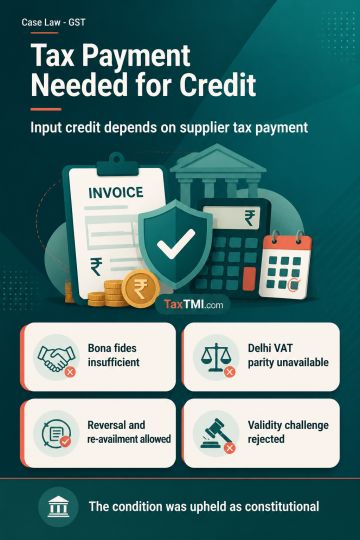
Input tax credit conditions remain constitutionally valid, with eligible recipient claims considered under GST circulars and retrospective filing dead...
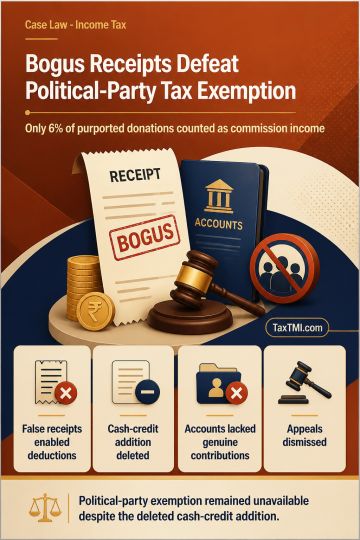
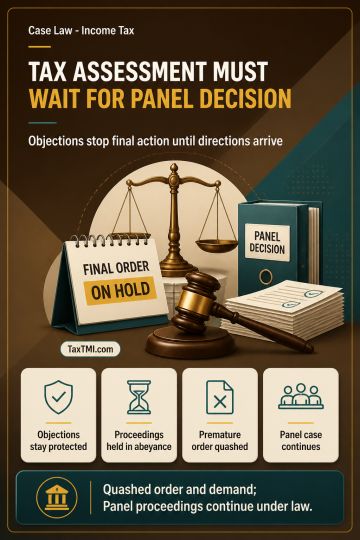
Bogus donation receipts justified commission income assessment and defeated political-party tax exemption for inaccurate accounts and reporting failur...
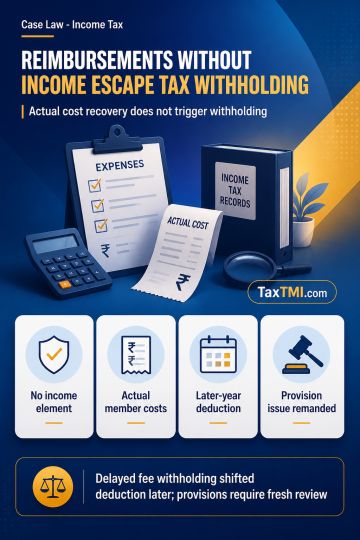
Pure reimbursement without income element escapes tax withholding, while delayed withholding and unsupported provisions face deferred or renewed scrut...
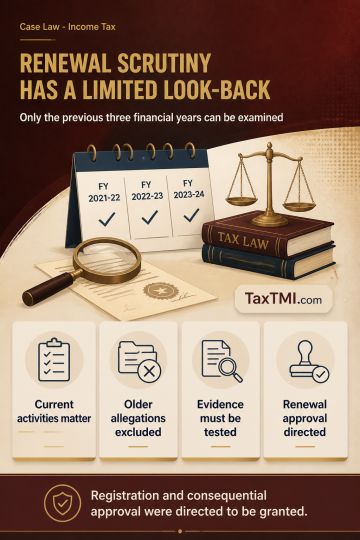
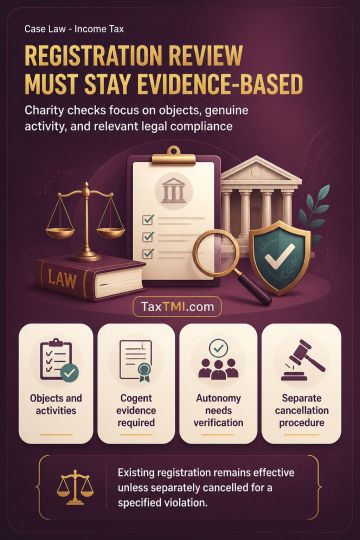
Public benefit requirement defeats charitable registration where residents' association services are reciprocal, member-only facilities governed by mu...
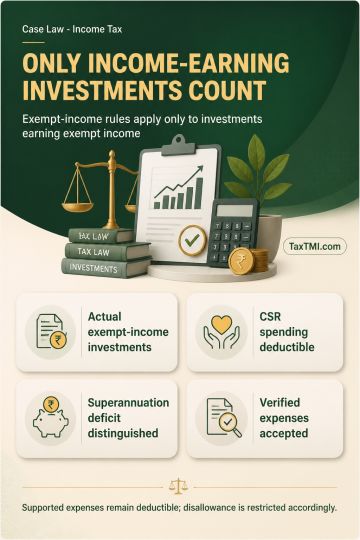
Exempt-income expenditure disallowance is confined to investments that actually generated exempt income, while supported business expenses remain dedu...
Levy / Demand of Countervailing Duty (CVD) - whether the appellant, who purchased software from a subsidiary company and had it directly imported to them, could be considered the importer - As per the precedent, the appellant was considered the importer of the software. - The CESTAT analyzed the circumstances and determined that since the appellant believed in good faith that they were not the importer, the issue was interpretational. Consequently, the Tribunal found no grounds to invoke the extended period for demanding duty payment, as the appellant acted in good faith and did not intend to evade duty. Moreover, the CESTAT ruled in favor of the appellant regarding the imposition of interest on the CVD, aligning with a previous Supreme Court decision.
Levy / Demand of Countervailing Duty (CVD) - whether the appellant, who purchased software from a subsidiary company and had it directly imported to them, could be considered the importer - As per the precedent, the appellant was considered the importer of the software. - The CESTAT analyzed the circumstances and determined that since the appellant believed in good faith that they were not the importer, the issue was interpretational. Consequently, the Tribunal found no grounds to invoke the extended period for demanding duty payment, as the appellant acted in good faith and did not intend to evade duty. Moreover, the CESTAT ruled in favor of the appellant regarding the imposition of interest on the CVD, aligning with a previous Supreme Court decision.
Note: It is a system-generated summary and is for quick reference only.
 TaxTMI
 of 4786




 Join Channel


 TaxTMI