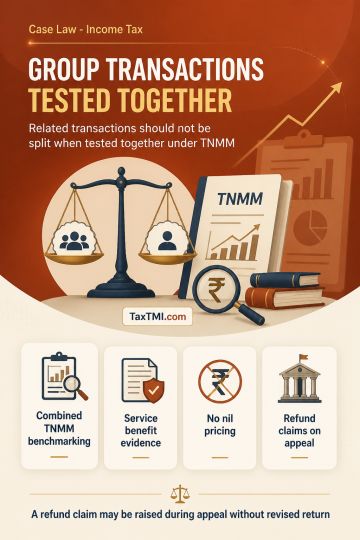
Aggregation under TNMM prevents selective testing of intra-group services without comparable uncontrolled transactions, while appellate additional cla...
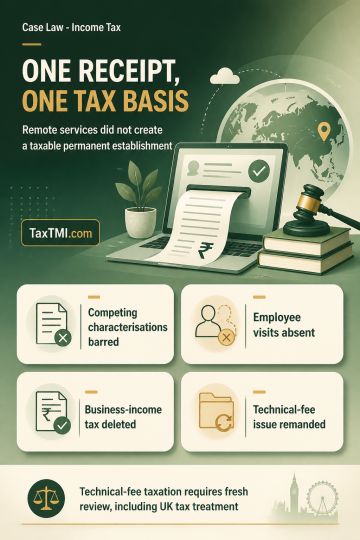
Protective assessment cannot duplicate identical receipts under competing characterisations; remote services did not establish a taxable permanent est...
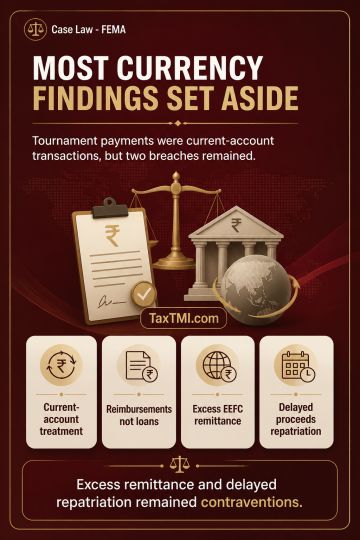
Current account treatment of overseas tournament services removed most FEMA findings, but excess EEFC remittance and delayed repatriation remained bre...
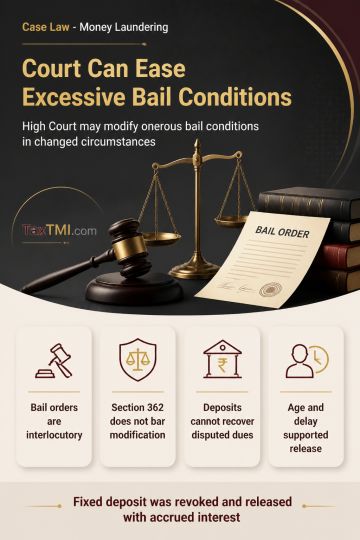
Modification of bail conditions remains available through inherent jurisdiction where onerous deposits undermine justice and cannot recover disputed d...
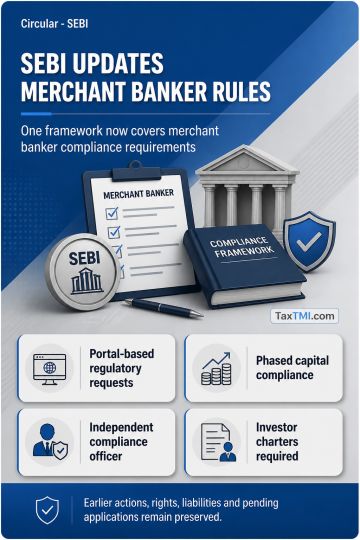
Merchant banker regulation consolidates registration, governance, capital, reporting, outsourcing and investor-protection requirements under an update...
Levy / Demand of Countervailing Duty (CVD) - whether the appellant, who purchased software from a subsidiary company and had it directly imported to them, could be considered the importer - As per the precedent, the appellant was considered the importer of the software. - The CESTAT analyzed the circumstances and determined that since the appellant believed in good faith that they were not the importer, the issue was interpretational. Consequently, the Tribunal found no grounds to invoke the extended period for demanding duty payment, as the appellant acted in good faith and did not intend to evade duty. Moreover, the CESTAT ruled in favor of the appellant regarding the imposition of interest on the CVD, aligning with a previous Supreme Court decision.
Levy / Demand of Countervailing Duty (CVD) - whether the appellant, who purchased software from a subsidiary company and had it directly imported to them, could be considered the importer - As per the precedent, the appellant was considered the importer of the software. - The CESTAT analyzed the circumstances and determined that since the appellant believed in good faith that they were not the importer, the issue was interpretational. Consequently, the Tribunal found no grounds to invoke the extended period for demanding duty payment, as the appellant acted in good faith and did not intend to evade duty. Moreover, the CESTAT ruled in favor of the appellant regarding the imposition of interest on the CVD, aligning with a previous Supreme Court decision.
Note: It is a system-generated summary and is for quick reference only.
 TaxTMI
 of 4786








 Join Channel


 TaxTMI