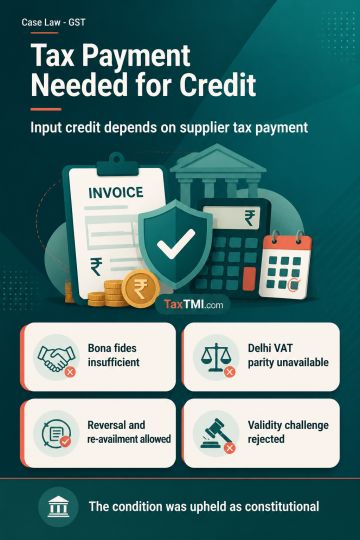
Input tax credit conditions remain constitutionally valid, with eligible recipient claims considered under GST circulars and retrospective filing dead...
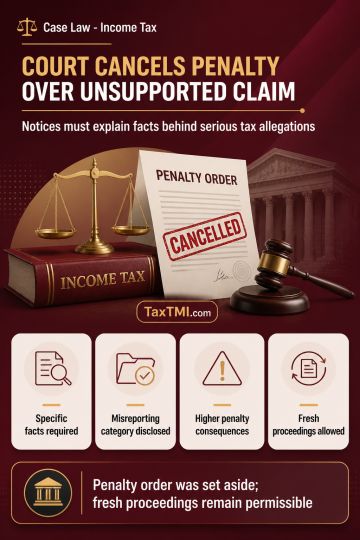
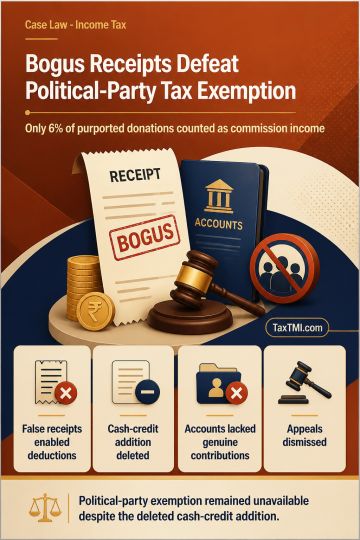
Bogus donation receipts justified commission income assessment and defeated political-party tax exemption for inaccurate accounts and reporting failur...
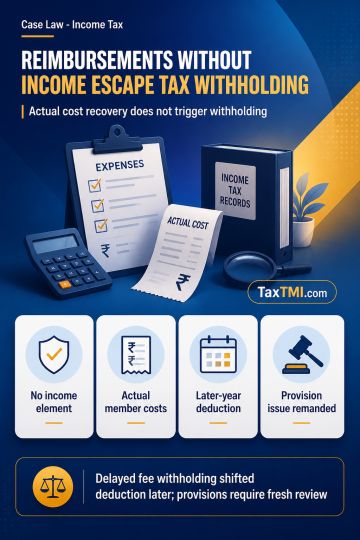
Pure reimbursement without income element escapes tax withholding, while delayed withholding and unsupported provisions face deferred or renewed scrut...
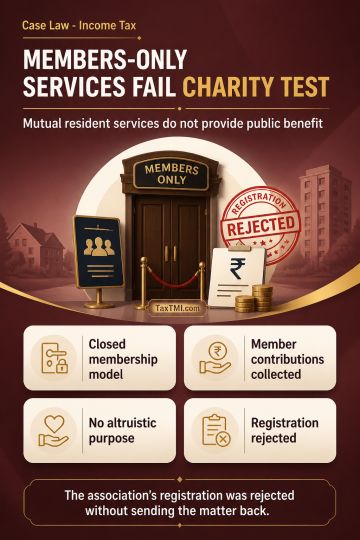
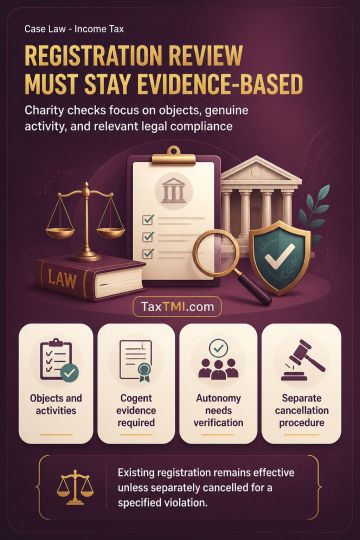
Public benefit requirement defeats charitable registration where residents' association services are reciprocal, member-only facilities governed by mu...
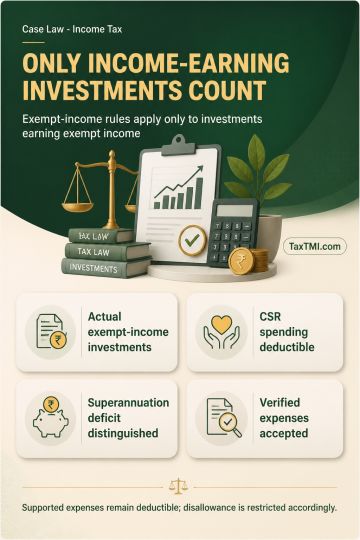
Exempt-income expenditure disallowance is confined to investments that actually generated exempt income, while supported business expenses remain dedu...
Seeking winding up of respondent company - Failure to pay outstanding dues - section 434 of the Companies Act, 1956 - The court noted the substantial unpaid amount despite demand and found merit in the petitioner's claim for winding up due to the respondent's failure to settle outstanding dues. - Considering the need for liquidation proceedings, the court appointed an Official Liquidator and granted necessary permissions for asset realization and disbursement of dividends. - Upon finding that all assets were realized, creditors were paid, and no further proceedings were feasible, the court ordered the dissolution of the respondent company under Section 481 of the Companies Act, 1956.
Seeking winding up of respondent company - Failure to pay outstanding dues - section 434 of the Companies Act, 1956 - The court noted the substantial unpaid amount despite demand and found merit in the petitioner's claim for winding up due to the respondent's failure to settle outstanding dues. - Considering the need for liquidation proceedings, the court appointed an Official Liquidator and granted necessary permissions for asset realization and disbursement of dividends. - Upon finding that all assets were realized, creditors were paid, and no further proceedings were feasible, the court ordered the dissolution of the respondent company under Section 481 of the Companies Act, 1956.
Note: It is a system-generated summary and is for quick reference only.
 TaxTMI
 of 4782






 Join Channel


 TaxTMI