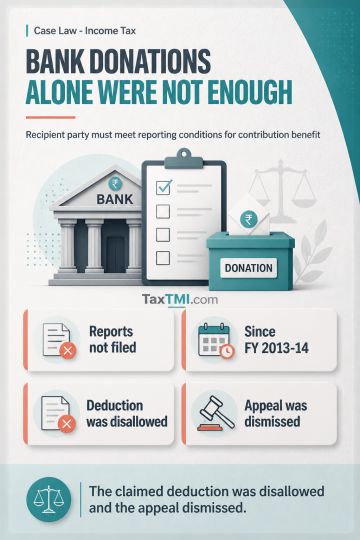
Political contribution deductions require recipient party compliance with contribution-reporting conditions; banking-channel donations alone do not qu...
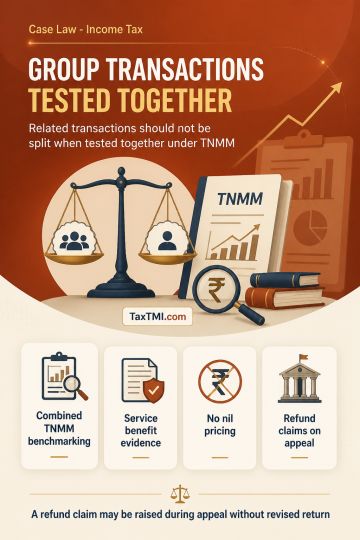
Aggregation under TNMM prevents selective testing of intra-group services without comparable uncontrolled transactions, while appellate additional cla...
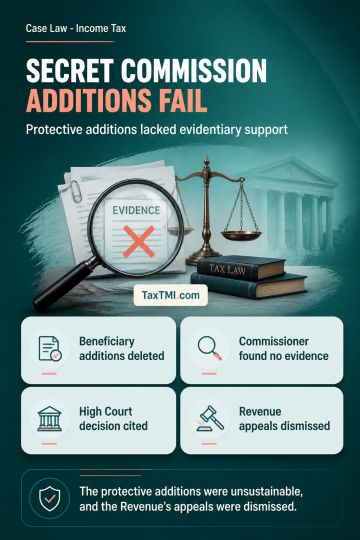
Protective assessment cannot duplicate identical receipts under competing characterisations; remote services did not establish a taxable permanent est...
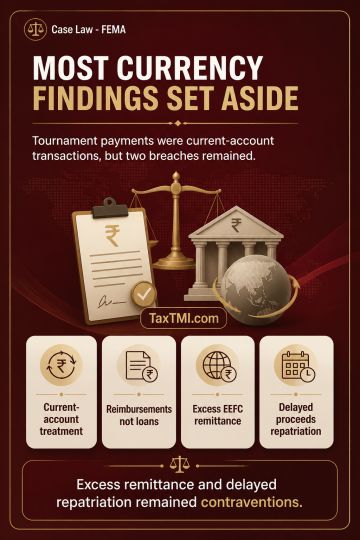
Current account treatment of overseas tournament services removed most FEMA findings, but excess EEFC remittance and delayed repatriation remained bre...
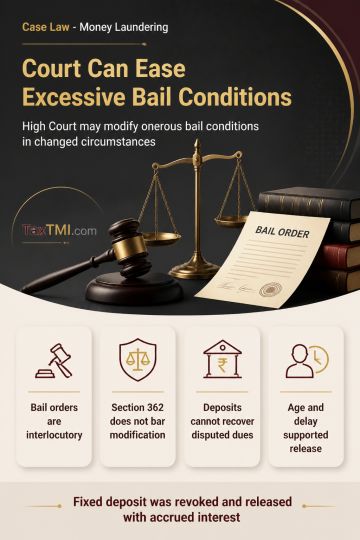
Modification of bail conditions remains available through inherent jurisdiction where onerous deposits undermine justice and cannot recover disputed d...
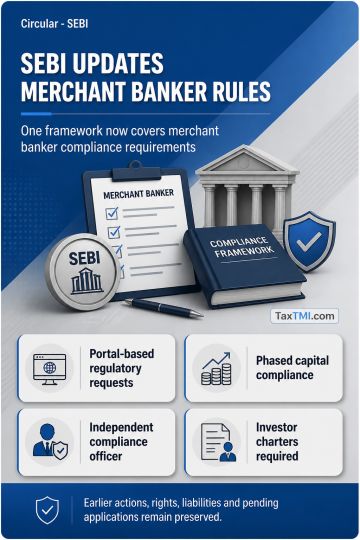
Merchant banker regulation consolidates registration, governance, capital, reporting, outsourcing and investor-protection requirements under an update...
The Reserve Bank of India (RBI) issued Circular, addressing Scheduled Commercial Banks, Primary (Urban) Cooperative Banks, State Cooperative Banks, and Exim Bank regarding the Interest Equalization Scheme (IES) on Pre and Post Shipment Rupee Export Credit. The circular extends the Scheme until June 30, 2024, with revised interest rates. Notably, the Scheme now offers 2% interest equalization for Manufacturers and Merchant Exporters and 3% for MSME manufacturers. However, certain modifications have been advised, including restrictions on banks with an average interest rate higher than Repo Rate + 4% and a cap on the subvention amount.
The Reserve Bank of India (RBI) issued Circular, addressing Scheduled Commercial Banks, Primary (Urban) Cooperative Banks, State Cooperative Banks, and Exim Bank regarding the Interest Equalization Scheme (IES) on Pre and Post Shipment Rupee Export Credit. The circular extends the Scheme until June 30, 2024, with revised interest rates. Notably, the Scheme now offers 2% interest equalization for Manufacturers and Merchant Exporters and 3% for MSME manufacturers. However, certain modifications have been advised, including restrictions on banks with an average interest rate higher than Repo Rate + 4% and a cap on the subvention amount.
Note: It is a system-generated summary and is for quick reference only.
 TaxTMI
 of 4782











 Join Channel


 TaxTMI