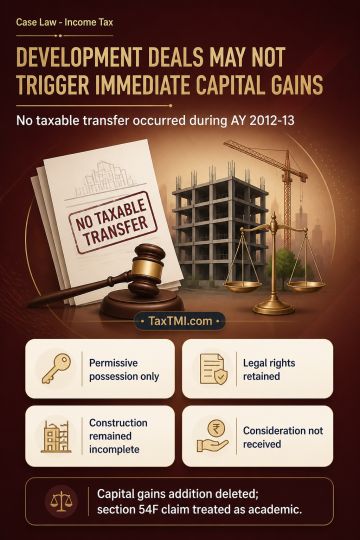
Development agreements require legal possession or effective enjoyment for capital gains transfer; permissive possession and deferred consideration de...
Prolonged sterilisation of development rights supports capital-gains treatment, while business-income disallowances cannot govern capital-gains comput...
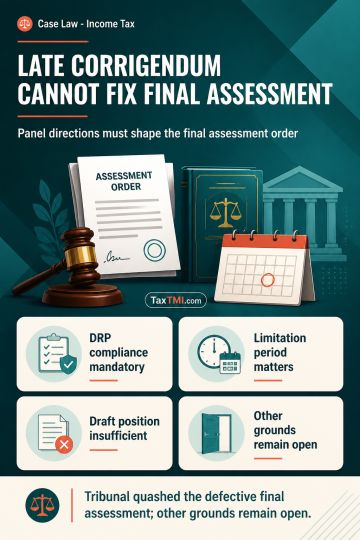
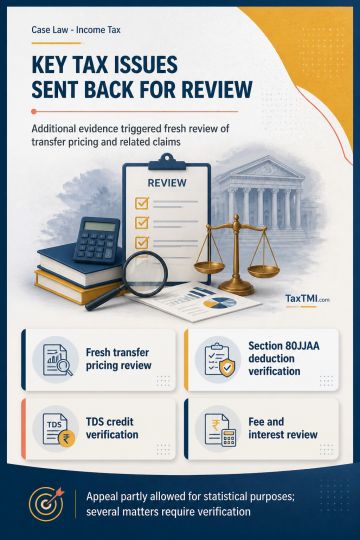
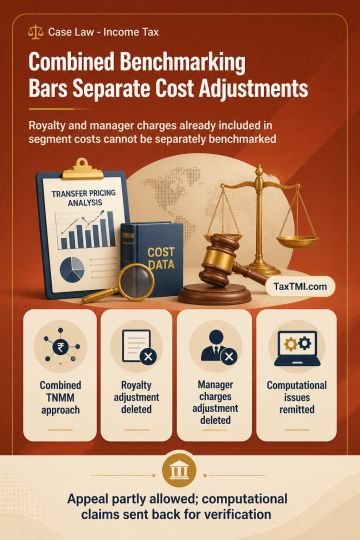
Additional evidence in transfer pricing dispute leads to fresh examination, while tax deductions, TDS credit, fee and refund interest require verifica...
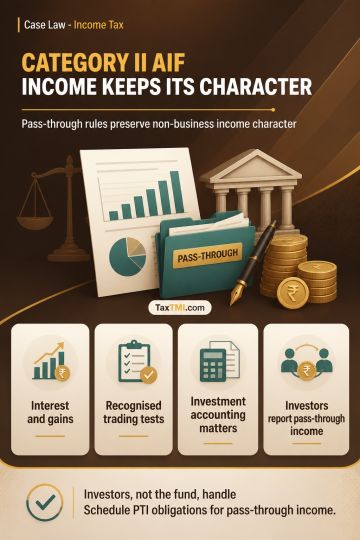
Category II AIF pass-through taxation preserves non-business income character; investment receipts cannot be reclassified without applying recognised ...
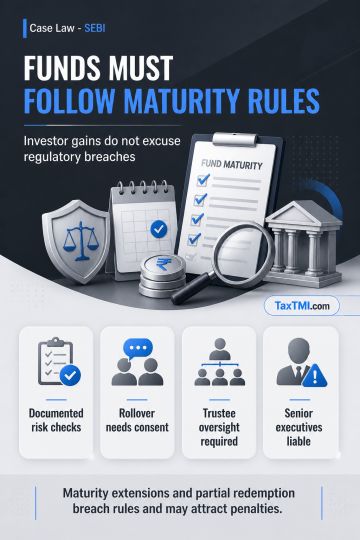
Mutual fund maturity rules require proper rollover, redemption, disclosure, and due diligence; investor gains cannot excuse regulatory breaches or pen...
Penalty u/s 271D - Sale of property in cash - meaning of the term “specified sum” - The ITAT examined the definition of "specified sum" under Explanation (iv) to Section 269SS, which pertains to any sum of money receivable, whether as advance or otherwise, in relation to the transfer of an immovable property. It relied on a previous decision by the Co-ordinate Bench of the Tribunal, which held that the provision applies only to advance payments and not to transactions where the final payment is made at the time of registration before the sub-registrar. - The Tribunal noted that the cash received by the assessee was not treated as an advance but as the final payment during the registration of the sale deed. Therefore, it concluded that there was no violation of Section 269SS in the given facts and circumstances.
Penalty u/s 271D - Sale of property in cash - meaning of the term “specified sum” - The ITAT examined the definition of "specified sum" under Explanation (iv) to Section 269SS, which pertains to any sum of money receivable, whether as advance or otherwise, in relation to the transfer of an immovable property. It relied on a previous decision by the Co-ordinate Bench of the Tribunal, which held that the provision applies only to advance payments and not to transactions where the final payment is made at the time of registration before the sub-registrar. - The Tribunal noted that the cash received by the assessee was not treated as an advance but as the final payment during the registration of the sale deed. Therefore, it concluded that there was no violation of Section 269SS in the given facts and circumstances.
Note: It is a system-generated summary and is for quick reference only.
 TaxTMI
 of 4798






 Join Channel


 TaxTMI
