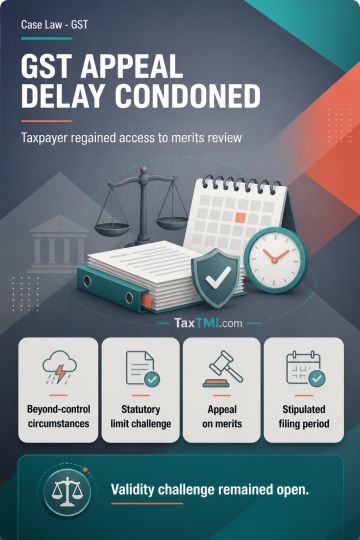
Necessary-party requirements limit impleadment of independent entities, while deferred consideration does not create an appealable adverse determinati...
Food supplement classification requires common parlance and authoritative tests, preventing treatment as proprietary Ayurvedic medicines without suppo...
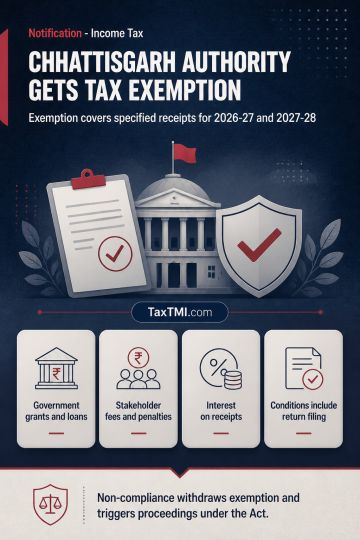
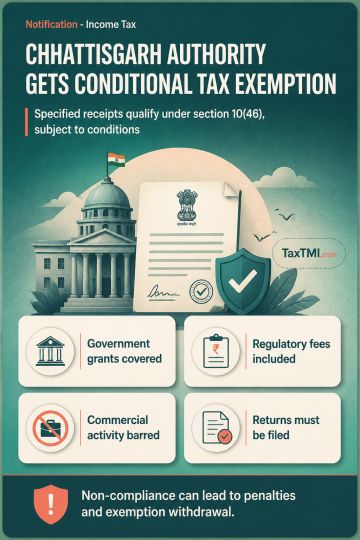
Specified regulatory authority income receives conditional tax exemption, subject to non-commercial activity, unchanged income character, and return f...
Tax exemption for regulatory authority income applies retrospectively, subject to non-commercial activity, unchanged income sources, and return-filing...
Money Laundering - scheduled offences - cognizance of offence - The High court concluded that the allegations did not meet the necessary elements to constitute an offence under Section 3 of the PMLA. There was no prima facie evidence to suggest the petitioner knowingly facilitated the transfer of proceeds of the crime. The court emphasized that intent is crucial for constituting an offence under the PMLA, and such intent was not established against the petitioner. - The court quashed the proceedings against the petitioner, accused No. 7, stating that continuing the criminal proceedings would be an abuse of the process of law.
Money Laundering - scheduled offences - cognizance of offence - The High court concluded that the allegations did not meet the necessary elements to constitute an offence under Section 3 of the PMLA. There was no prima facie evidence to suggest the petitioner knowingly facilitated the transfer of proceeds of the crime. The court emphasized that intent is crucial for constituting an offence under the PMLA, and such intent was not established against the petitioner. - The court quashed the proceedings against the petitioner, accused No. 7, stating that continuing the criminal proceedings would be an abuse of the process of law.
Note: It is a system-generated summary and is for quick reference only.
 TaxTMI
 of 4794



















 Join Channel


 TaxTMI