Mandatory textile export qualifiers distinguish flame-retardant fabrics from other listed fabrics for automated identification under the textiles ince...
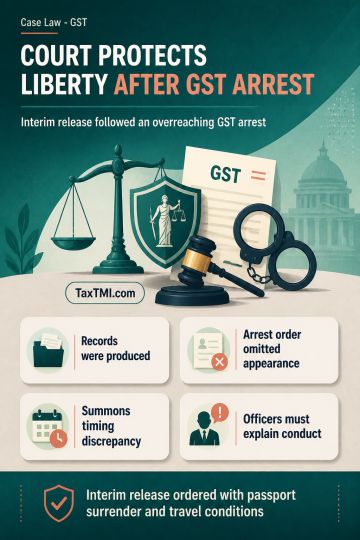
Personal liberty safeguards restrict arrest after court-directed GST appearance, requiring interim release where authorities overreach pending proceed...
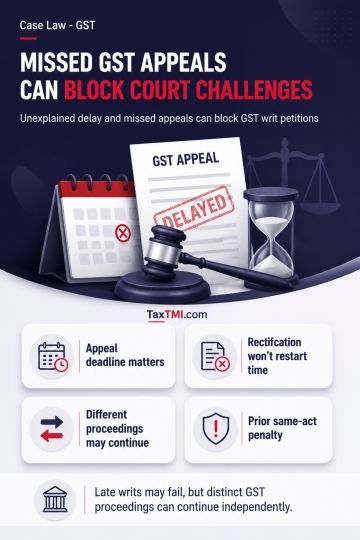
Alternative statutory remedy and delay bar GST writ challenges despite pending rectification, while distinct subject matter permits parallel proceedin...
Levy of penalties u/s 271D and 271E for the violation of sections 269SS and 269T, respectively - The Tribunal, after reviewing precedents from the Supreme Court and various High Courts, emphasized that recording satisfaction in the assessment order regarding the initiation of penalty proceedings is mandatory. It was found that the AO had not recorded such satisfaction, rendering the penalty proceedings under sections 271D and 271E invalid. - Regarding period of limitation, the Tribunal noted that the reference for initiating penalty proceedings made by the AO to the Additional Commissioner was beyond the statutory limitation period. Therefore, the penalties imposed were considered time-barred and legally unsustainable.
Levy of penalties u/s 271D and 271E for the violation of sections 269SS and 269T, respectively - The Tribunal, after reviewing precedents from the Supreme Court and various High Courts, emphasized that recording satisfaction in the assessment order regarding the initiation of penalty proceedings is mandatory. It was found that the AO had not recorded such satisfaction, rendering the penalty proceedings under sections 271D and 271E invalid. - Regarding period of limitation, the Tribunal noted that the reference for initiating penalty proceedings made by the AO to the Additional Commissioner was beyond the statutory limitation period. Therefore, the penalties imposed were considered time-barred and legally unsustainable.
Note: It is a system-generated summary and is for quick reference only.
 TaxTMI
  TaxTMI
 of 4881