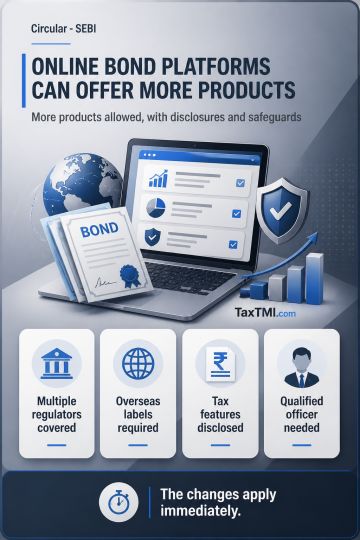
Online bond platforms may offer overseas-regulated products and tax-specific bonds subject to disclosures, compliance safeguards and revised complianc...
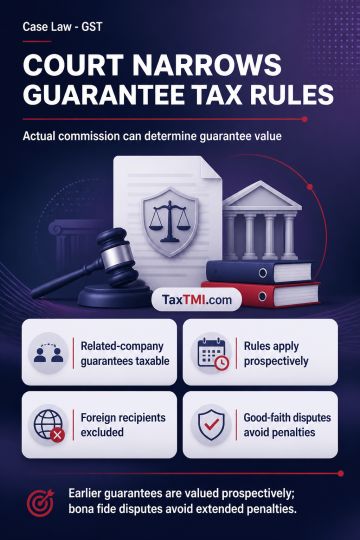
Corporate guarantee valuation permits actual ascertainable commission while barring retroactive application and extended-period penalties for bona fid...
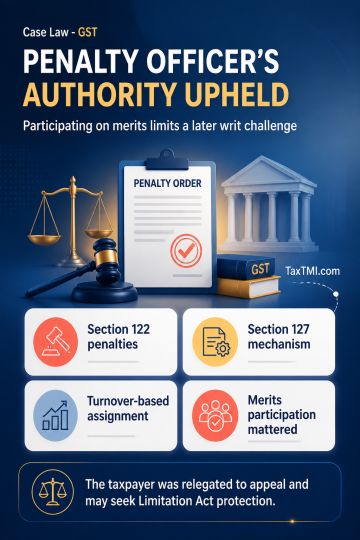
Proper-officer jurisdiction under UPGST penalty provisions upheld; participation on merits prevents bypassing the statutory appellate remedy through w...
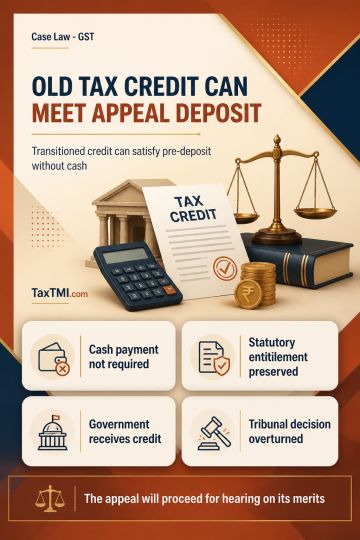
Transitioned CENVAT credit may validly satisfy mandatory pre-deposit requirements for legacy service tax appeals through Electronic Credit Ledger debi...
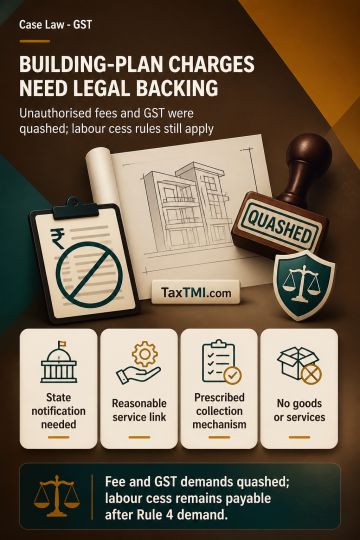
Building-plan sanction charges require statutory authority; unauthorised fees and GST were quashed, while labour cess must follow prescribed collectio...
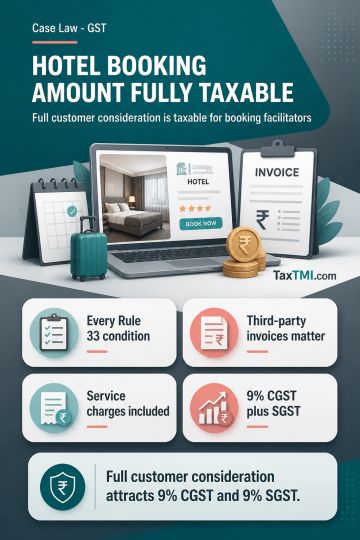
Pure-agent exclusion fails where hotel booking facilitators receive third-party services themselves, making entire customer consideration taxable as r...
Dishonour of Cheque - vicarious liability of the director - appellant was in-charge of day-to-day affairs of the Company or not - The appellant argued against her vicarious liability under Section 138 of the Negotiable Instruments Act, contending that she was not involved in the company's day-to-day affairs and was not a signatory to the cheques in question. The court found the allegations insufficient to establish the appellant's liability and quashed the proceedings against her. - Mere directorship does not automatically entail liability. - The court noted that the complaint lacked specific averments demonstrating how the appellant was in charge of the company's day-to-day affairs or responsible for its conduct.
Dishonour of Cheque - vicarious liability of the director - appellant was in-charge of day-to-day affairs of the Company or not - The appellant argued against her vicarious liability under Section 138 of the Negotiable Instruments Act, contending that she was not involved in the company's day-to-day affairs and was not a signatory to the cheques in question. The court found the allegations insufficient to establish the appellant's liability and quashed the proceedings against her. - Mere directorship does not automatically entail liability. - The court noted that the complaint lacked specific averments demonstrating how the appellant was in charge of the company's day-to-day affairs or responsible for its conduct.
Note: It is a system-generated summary and is for quick reference only.
 TaxTMI
 of 4801




 Join Channel


 TaxTMI
