Arrest safeguards and transit remand requirements invalidated detention following inter-State transfer without communicated grounds or magistrate auth...
Arrest safeguards require disclosed grounds, relative intimation and transit remand, while duplicate prosecution under the CGST framework is unsustain...
Document Identification Number defects can invalidate GST assessments, with delayed challenges entertained conditionally where patent irregularities e...
Windmill commissioning evidence supported higher depreciation where grid connection and electricity generation proved operational use before the relev...
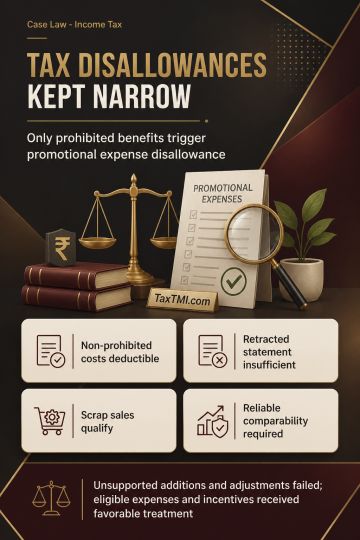
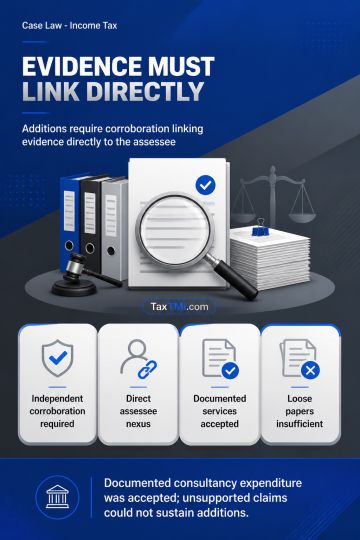
Pharmaceutical promotion and transfer-pricing comparability principles limited disallowances, while uncorroborated search allegations and unsupported ...
Customs Duty concession to EVs imported under of the Ministry of Heavy Industries' Scheme - The introduction of a specific customs duty rate of 15% for EVs imported under the new scheme encourages the import and manufacturing of electric passenger cars in India. This aligns with India's goals for environmental sustainability and the promotion of cleaner, greener transportation alternatives. - The conditional exemption, bound by compliance with the 'Scheme to promote manufacturing of electric passenger cars in India', introduces a structured approach to support the domestic manufacturing of electric vehicles. By setting a deadline of 31st March 2031, it also indicates a transition period towards more sustainable transportation solutions.
Customs Duty concession to EVs imported under of the Ministry of Heavy Industries' Scheme - The introduction of a specific customs duty rate of 15% for EVs imported under the new scheme encourages the import and manufacturing of electric passenger cars in India. This aligns with India's goals for environmental sustainability and the promotion of cleaner, greener transportation alternatives. - The conditional exemption, bound by compliance with the 'Scheme to promote manufacturing of electric passenger cars in India', introduces a structured approach to support the domestic manufacturing of electric vehicles. By setting a deadline of 31st March 2031, it also indicates a transition period towards more sustainable transportation solutions.
Note: It is a system-generated summary and is for quick reference only.
 TaxTMI
 of 4807
















 Join Channel


 TaxTMI
