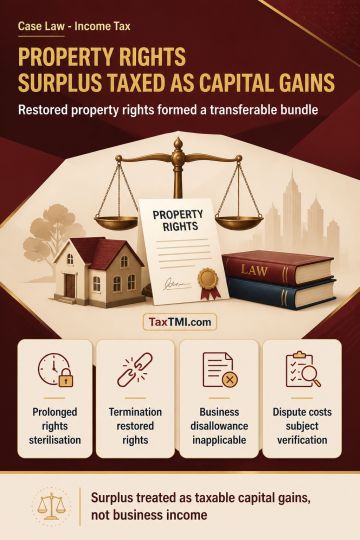
Prolonged sterilisation of development rights supports capital-gains treatment, while business-income disallowances cannot govern capital-gains comput...
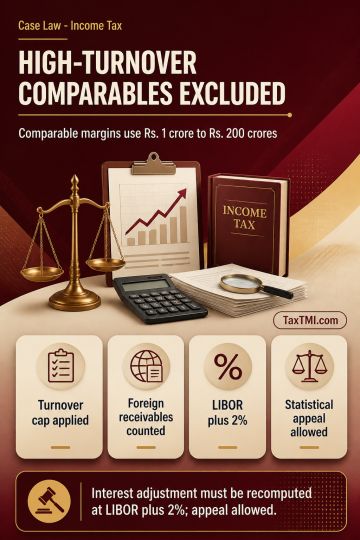
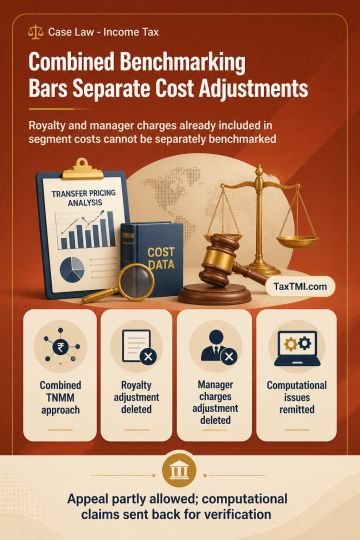
Additional evidence in transfer pricing dispute leads to fresh examination, while tax deductions, TDS credit, fee and refund interest require verifica...
Category II AIF pass-through taxation preserves non-business income character; investment receipts cannot be reclassified without applying recognised ...
Mutual fund maturity rules require proper rollover, redemption, disclosure, and due diligence; investor gains cannot excuse regulatory breaches or pen...
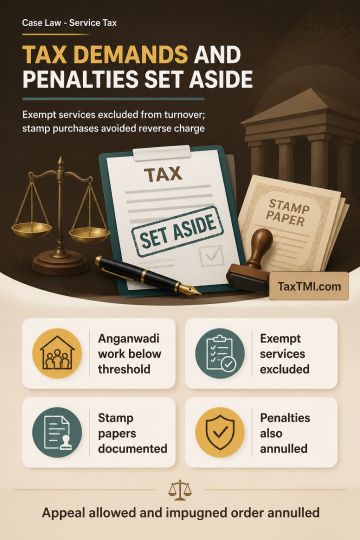
Threshold exemption excludes exempt services, while stamp-paper purchases avoid reverse charge; consequential service tax penalties were also set asid...
Assessment u/s 153A - addition u/s 68 - The assessee contended that the additions were not based on any incriminating material found during the search. The Tribunal held that no addition could be made under Section 153A in the absence of incriminating material for the years where no assessment was pending. The court accepted this contention and deleted the additions. - The ITAT examined several additions and disallowances made by the assessing officer, including those related to cash deposits, unsecured loans, and depreciation on vehicles. In each instance, the court meticulously evaluated the submissions, documentary evidence, and legal positions before rendering its decisions, often in favor of the assessee by deleting unjustified additions.
Assessment u/s 153A - addition u/s 68 - The assessee contended that the additions were not based on any incriminating material found during the search. The Tribunal held that no addition could be made under Section 153A in the absence of incriminating material for the years where no assessment was pending. The court accepted this contention and deleted the additions. - The ITAT examined several additions and disallowances made by the assessing officer, including those related to cash deposits, unsecured loans, and depreciation on vehicles. In each instance, the court meticulously evaluated the submissions, documentary evidence, and legal positions before rendering its decisions, often in favor of the assessee by deleting unjustified additions.
Note: It is a system-generated summary and is for quick reference only.
 TaxTMI
  TaxTMI
 of 4817












 Join Channel


