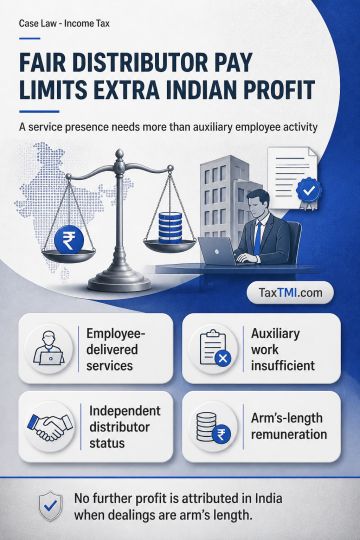
Service permanent establishment requires non-auxiliary services, while arm's-length distributor remuneration precludes further profit attribution in I...
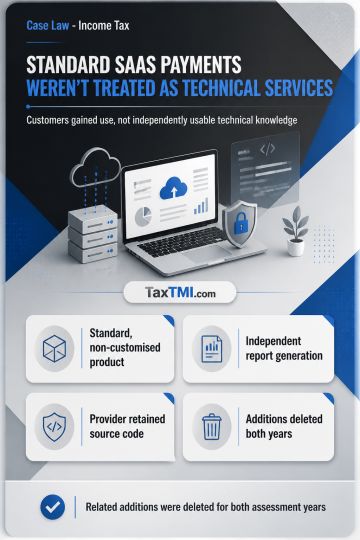
Make-available condition excludes standard SaaS subscription receipts where customers receive no independently usable technical knowledge after subscr...
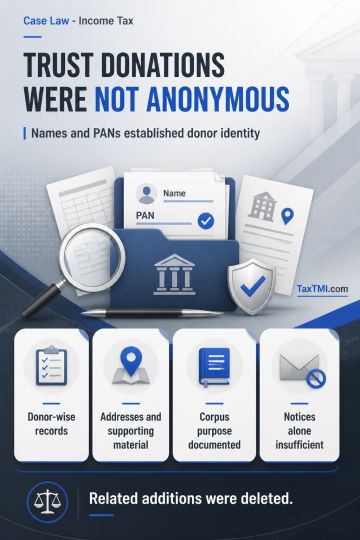
Anonymous donation classification fails where charitable trusts maintain undisputed donor identity records and evidence corpus contributions' intended...
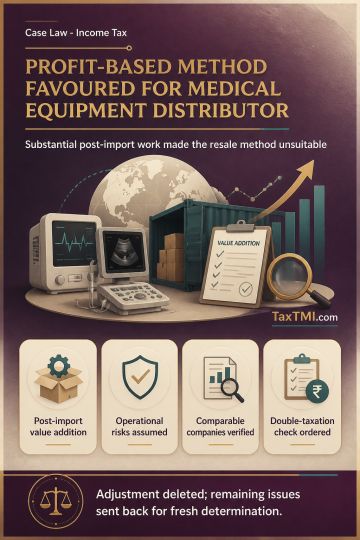
Transfer pricing method selection favours TNMM where medical-equipment distribution involves substantial post-import value addition and operational ri...
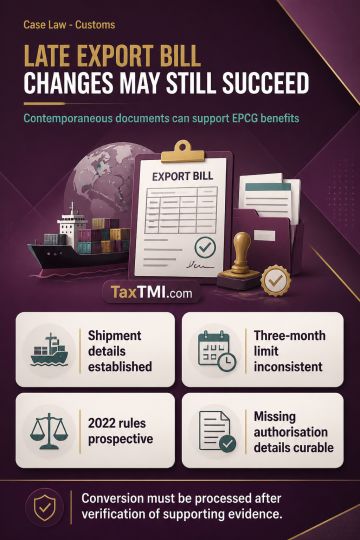
Post-export shipping bill conversion remains available where contemporaneous evidence supports EPCG benefits despite curable procedural omissions and ...
Seeking waiving off the payment of Court fees - economic hardship or other significant reasons - Refiling the Compensation Application against the order of the Competition Commission of India - The NCLAT found no such hardship or reason was presented that justified waiving the fee, despite the appellant's claim of being misled by their previous representative. - The NCLAT distinguished these cases from the present situation, noting that in those cases, the legal representatives' absence or default led to the proceedings' outcomes. In contrast, in the current case, the representative was present and actively participated, even though he was not authorized to practice law. Thus, the rationale of not penalizing the party for the representative's fault did not apply here as the representative's actions were not mere defaults or absences but involved active, albeit unauthorized, participation.
Seeking waiving off the payment of Court fees - economic hardship or other significant reasons - Refiling the Compensation Application against the order of the Competition Commission of India - The NCLAT found no such hardship or reason was presented that justified waiving the fee, despite the appellant's claim of being misled by their previous representative. - The NCLAT distinguished these cases from the present situation, noting that in those cases, the legal representatives' absence or default led to the proceedings' outcomes. In contrast, in the current case, the representative was present and actively participated, even though he was not authorized to practice law. Thus, the rationale of not penalizing the party for the representative's fault did not apply here as the representative's actions were not mere defaults or absences but involved active, albeit unauthorized, participation.
Note: It is a system-generated summary and is for quick reference only.
 TaxTMI
  TaxTMI
 of 4811





 Join Channel