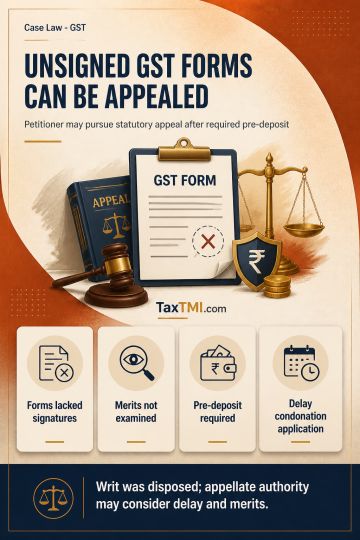
Political contribution deductions require recipient party compliance with contribution-reporting conditions; banking-channel donations alone do not qu...
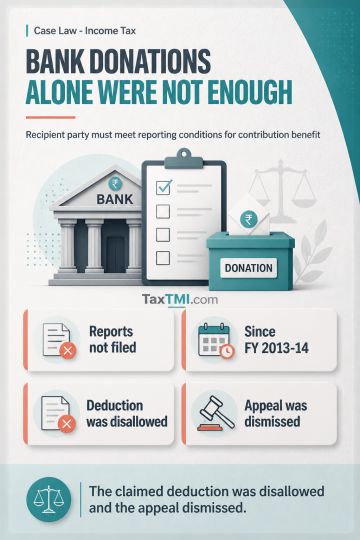
Aggregation under TNMM prevents selective testing of intra-group services without comparable uncontrolled transactions, while appellate additional cla...
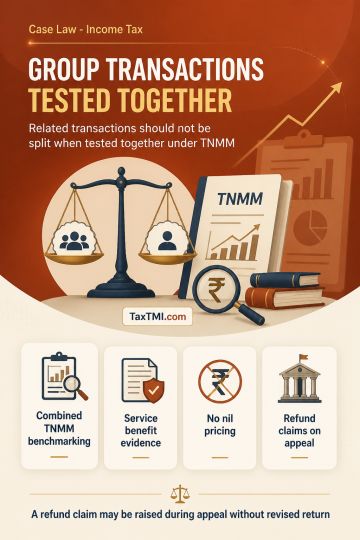
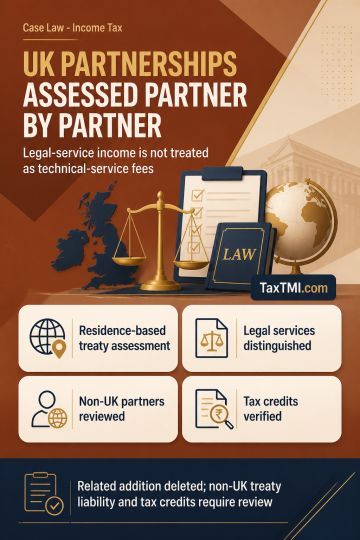
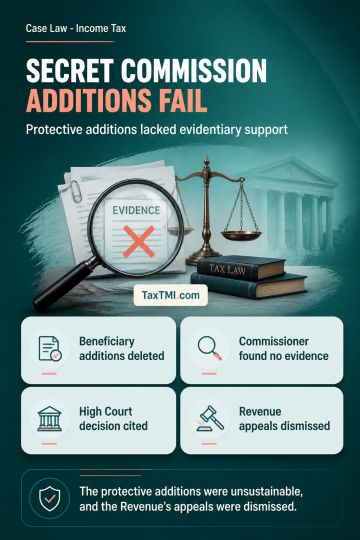
Protective assessment cannot duplicate identical receipts under competing characterisations; remote services did not establish a taxable permanent est...
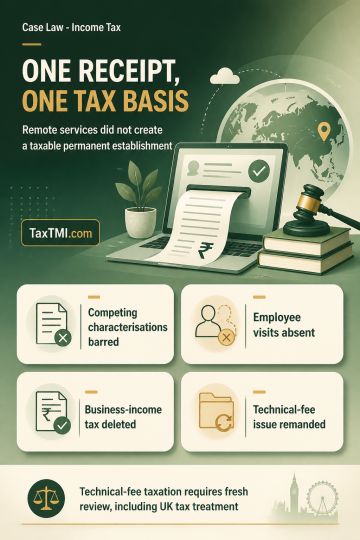
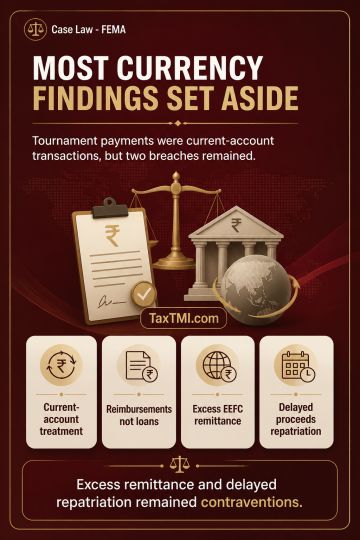
Current account treatment of overseas tournament services removed most FEMA findings, but excess EEFC remittance and delayed repatriation remained bre...
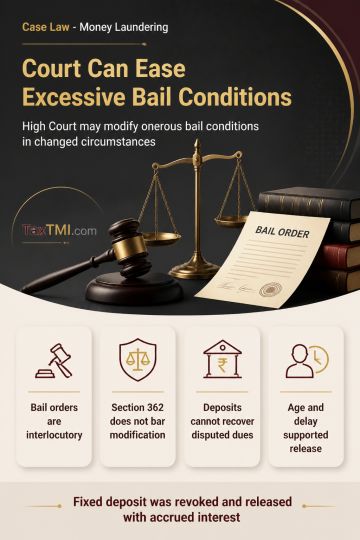
Modification of bail conditions remains available through inherent jurisdiction where onerous deposits undermine justice and cannot recover disputed d...
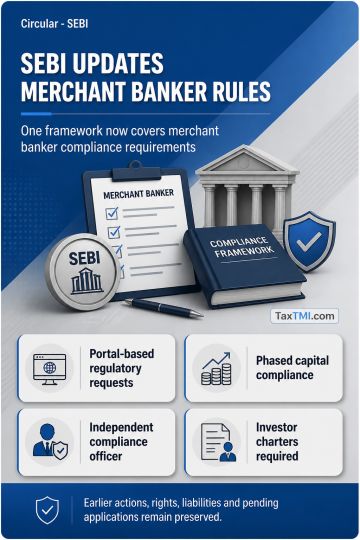
Merchant banker regulation consolidates registration, governance, capital, reporting, outsourcing and investor-protection requirements under an update...
Liability to charge GST - Public Distribution System (PDS) - Fair Price Shop - Supply of goods i.e. S. K. Oil to ration card holders - license issued by the Government of West Bengal, authorizing as a “Dealer” as defined under Kerosene Control Order, 1968 - The AAAR held that their services were exempt from GST, rendering the question of charging GST to the State Government inapplicable. - The AAAR concluded that since the appellant acted as an agent for the State Government and their services were exempt from GST, the ancillary charges associated with the distribution of SK Oil were also not subject to GST. - On the issue of composite supply, AAAR held that it was identified as a single supply of service to the State Government by distributing SK Oil to ration card holders. Therefore, the concept of composite supply was not applicable to this case.
Liability to charge GST - Public Distribution System (PDS) - Fair Price Shop - Supply of goods i.e. S. K. Oil to ration card holders - license issued by the Government of West Bengal, authorizing as a “Dealer” as defined under Kerosene Control Order, 1968 - The AAAR held that their services were exempt from GST, rendering the question of charging GST to the State Government inapplicable. - The AAAR concluded that since the appellant acted as an agent for the State Government and their services were exempt from GST, the ancillary charges associated with the distribution of SK Oil were also not subject to GST. - On the issue of composite supply, AAAR held that it was identified as a single supply of service to the State Government by distributing SK Oil to ration card holders. Therefore, the concept of composite supply was not applicable to this case.
Note: It is a system-generated summary and is for quick reference only.
 TaxTMI
  TaxTMI
 of 4828




 Join Channel