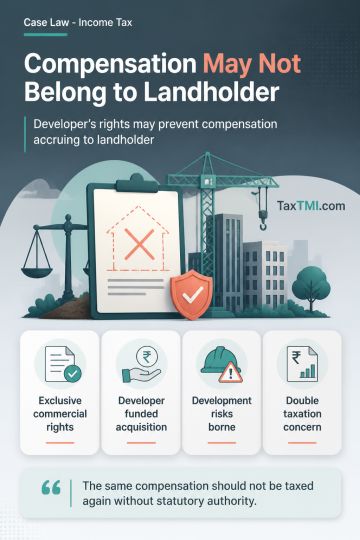
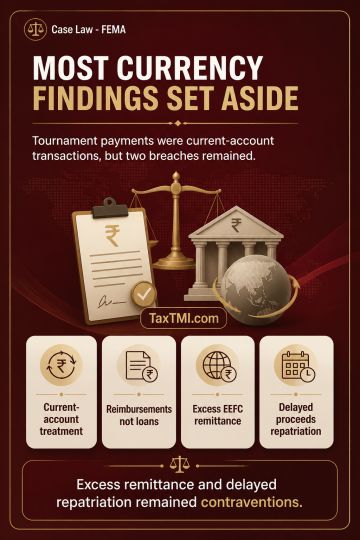
Current account treatment of overseas tournament services removed most FEMA findings, but excess EEFC remittance and delayed repatriation remained bre...
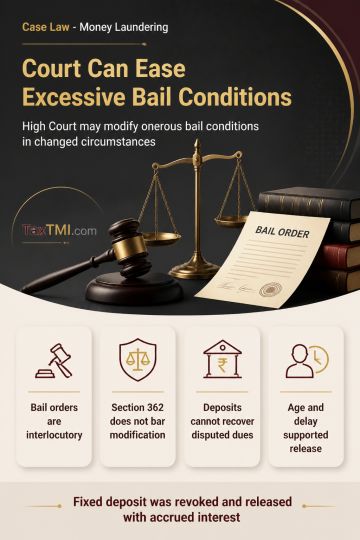
Modification of bail conditions remains available through inherent jurisdiction where onerous deposits undermine justice and cannot recover disputed d...
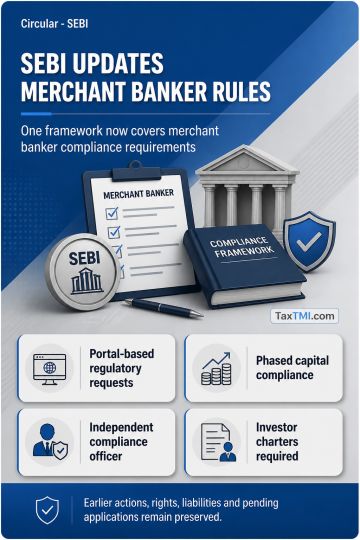
Merchant banker regulation consolidates registration, governance, capital, reporting, outsourcing and investor-protection requirements under an update...
Determining the tax and penalty - Vehicle transporting consignment without Original Tax Invoice - The High court analyzed the relevant provisions of the SGST Act and CGST Act. While Rule 138-A and Section 68 were cited by the respondents, the court noted that neither of these provisions explicitly requires the transporter to carry the Original Tax Invoice. Instead, the court emphasized Rule 48 of the CGST Act, which specifies the preparation of the invoice in triplicate. The original copy is meant for the recipient/purchaser, while the duplicate copy is for the transporter. The High court concluded that the transporter is not obligated to carry the Original Tax Invoice, as claimed by the respondents. - As a result, the court allowed the writ petition, quashed the orders imposing tax and penalty. Excess amount paid directed to be refunded.
Determining the tax and penalty - Vehicle transporting consignment without Original Tax Invoice - The High court analyzed the relevant provisions of the SGST Act and CGST Act. While Rule 138-A and Section 68 were cited by the respondents, the court noted that neither of these provisions explicitly requires the transporter to carry the Original Tax Invoice. Instead, the court emphasized Rule 48 of the CGST Act, which specifies the preparation of the invoice in triplicate. The original copy is meant for the recipient/purchaser, while the duplicate copy is for the transporter. The High court concluded that the transporter is not obligated to carry the Original Tax Invoice, as claimed by the respondents. - As a result, the court allowed the writ petition, quashed the orders imposing tax and penalty. Excess amount paid directed to be refunded.
Note: It is a system-generated summary and is for quick reference only.
 TaxTMI
 of 4803




 Join Channel


 TaxTMI