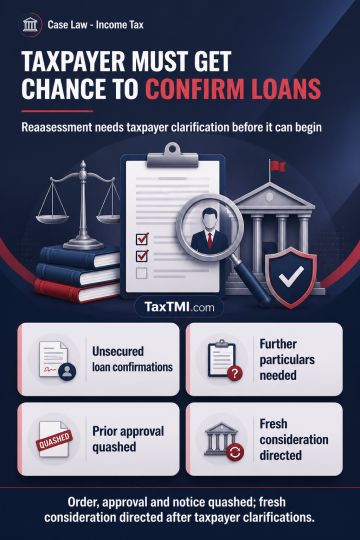
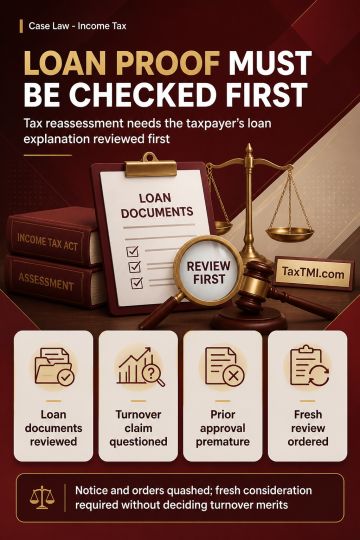
Opportunity to furnish unsecured-loan confirmations is required before reassessment initiation; proceedings require fresh consideration after taxpayer...
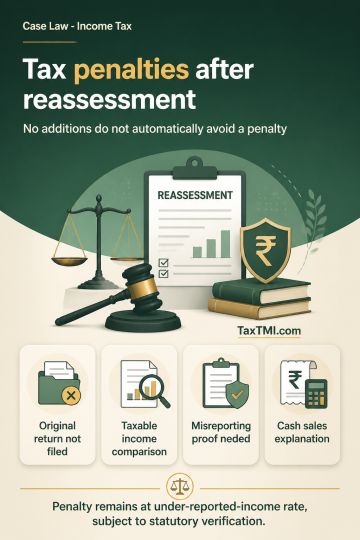
Under-reporting on a first reassessment return attracts penalty, while enhanced misreporting penalty requires proof of a statutory misreporting catego...
Misclassification and Wrongful Claim of MEIS Benefits - Exports of quilts containing cotton/polyester - Levy of penalties - The CESTAT found the appellant guilty of willful misdeclaration and misclassification to avail higher MEIS benefits, violating the provisions of the Customs Act, 1962, and Foreign Trade (Development & Regulation) Act, 1992. - The Tribunal upheld the principle of self-assessment and confirmed that M/s FA's actions constituted a deliberate contravention of customs laws, making them liable for penalties. - While penalties were justified for the firm due to the deliberate misclassification, the penalties against the individual managers were revoked, acknowledging their passive role in following the firm's instructions without evidence of personal gain or active connivance.
Misclassification and Wrongful Claim of MEIS Benefits - Exports of quilts containing cotton/polyester - Levy of penalties - The CESTAT found the appellant guilty of willful misdeclaration and misclassification to avail higher MEIS benefits, violating the provisions of the Customs Act, 1962, and Foreign Trade (Development & Regulation) Act, 1992. - The Tribunal upheld the principle of self-assessment and confirmed that M/s FA's actions constituted a deliberate contravention of customs laws, making them liable for penalties. - While penalties were justified for the firm due to the deliberate misclassification, the penalties against the individual managers were revoked, acknowledging their passive role in following the firm's instructions without evidence of personal gain or active connivance.
Note: It is a system-generated summary and is for quick reference only.
 TaxTMI
  TaxTMI
 of 4918