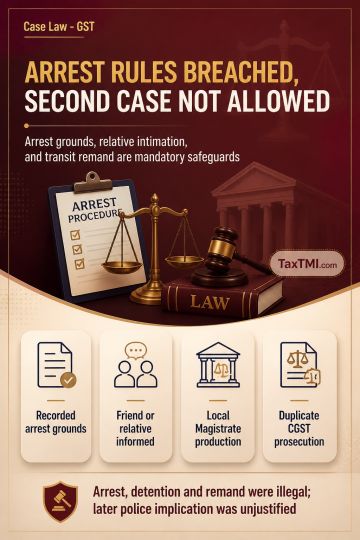
Arrest safeguards require disclosed grounds, relative intimation and transit remand, while duplicate prosecution under the CGST framework is unsustain...
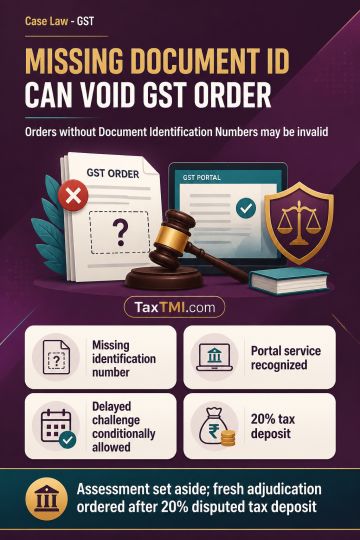
Document Identification Number defects can invalidate GST assessments, with delayed challenges entertained conditionally where patent irregularities e...
Windmill commissioning evidence supported higher depreciation where grid connection and electricity generation proved operational use before the relev...
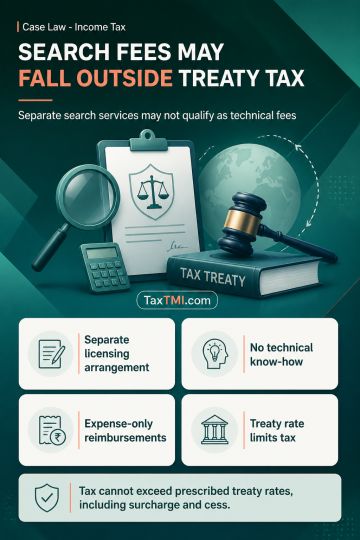
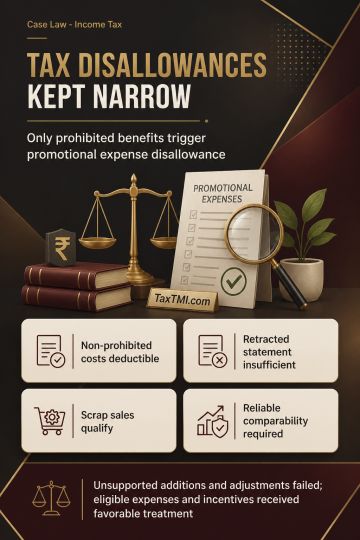
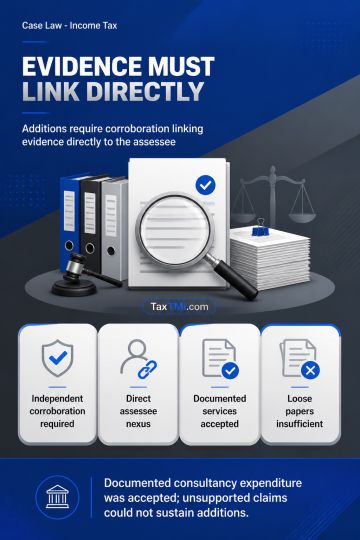
Pharmaceutical promotion and transfer-pricing comparability principles limited disallowances, while uncorroborated search allegations and unsupported ...
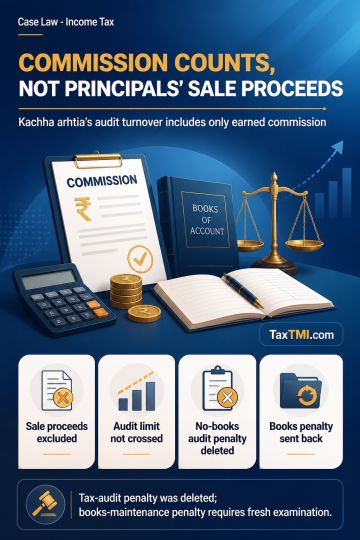
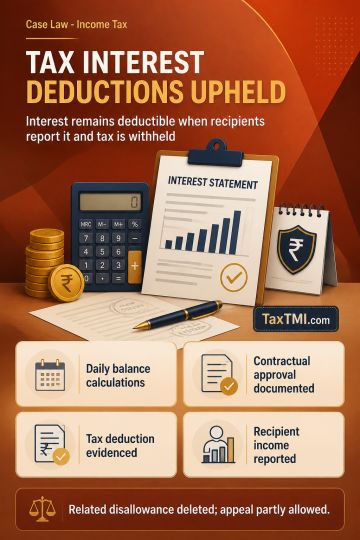
Business expenditure substantiation supports scrap credits, statutory payments and expense claims, while depreciation requires proof of actual busines...
Misclassification and Wrongful Claim of MEIS Benefits - Exports of quilts containing cotton/polyester - Levy of penalties - The CESTAT found the appellant guilty of willful misdeclaration and misclassification to avail higher MEIS benefits, violating the provisions of the Customs Act, 1962, and Foreign Trade (Development & Regulation) Act, 1992. - The Tribunal upheld the principle of self-assessment and confirmed that M/s FA's actions constituted a deliberate contravention of customs laws, making them liable for penalties. - While penalties were justified for the firm due to the deliberate misclassification, the penalties against the individual managers were revoked, acknowledging their passive role in following the firm's instructions without evidence of personal gain or active connivance.
Misclassification and Wrongful Claim of MEIS Benefits - Exports of quilts containing cotton/polyester - Levy of penalties - The CESTAT found the appellant guilty of willful misdeclaration and misclassification to avail higher MEIS benefits, violating the provisions of the Customs Act, 1962, and Foreign Trade (Development & Regulation) Act, 1992. - The Tribunal upheld the principle of self-assessment and confirmed that M/s FA's actions constituted a deliberate contravention of customs laws, making them liable for penalties. - While penalties were justified for the firm due to the deliberate misclassification, the penalties against the individual managers were revoked, acknowledging their passive role in following the firm's instructions without evidence of personal gain or active connivance.
Note: It is a system-generated summary and is for quick reference only.
 TaxTMI
 of 4805









 Join Channel


 TaxTMI