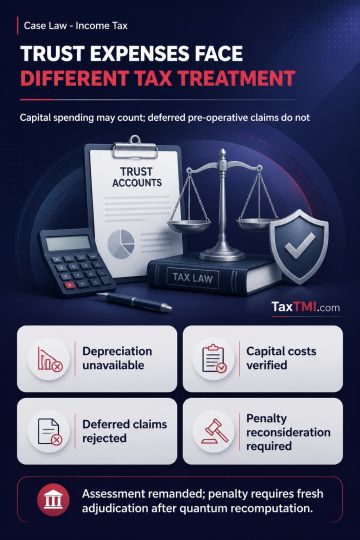
Charitable trust income application permits verified capital expenditure but rejects deferred pre-operative claims and requires reconsideration of con...
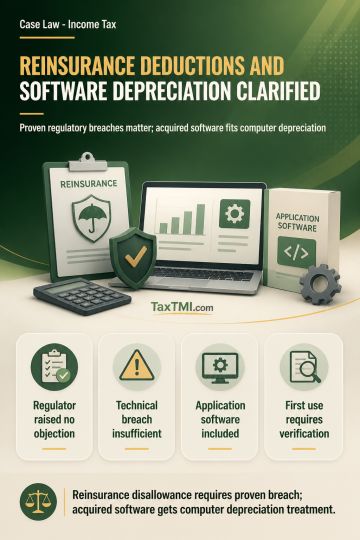
Reinsurance premium deductions require established regulatory breaches, while independently acquired software qualifies within the computer depreciati...
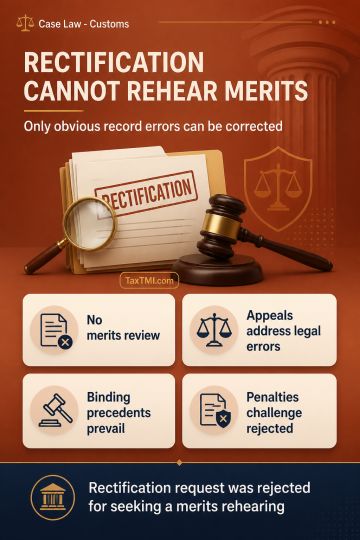
Rectification of mistake remains limited to self-evident record errors, preventing merits review through miscellaneous applications and preserving fin...
Tender creditworthiness conditions may extend to de facto Promoter Directors, with post-participation challenges generally barred absent arbitrariness...
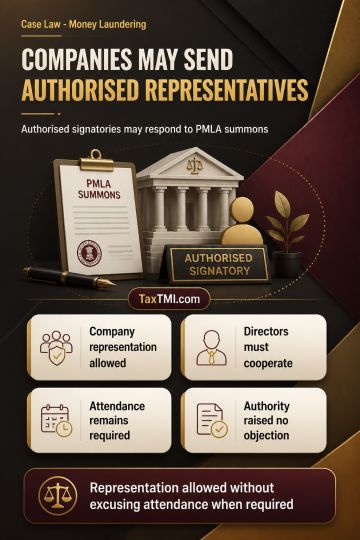
Corporate representation in PMLA summons proceedings permitted through an authorised signatory, subject to directors' continuing cooperation and atten...
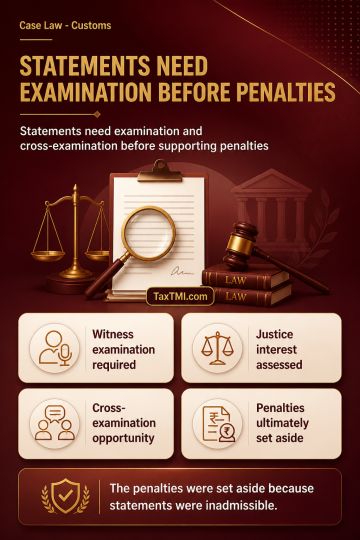
Disciplinary proceedings - allegation of misconduct - Proceedings against ex-Superintendent of Central Excise - Reliance on confessional statements made by accused persons during the investigation - The High court underscored that disciplinary proceedings require evidence that meets legal principles, and reliance on confessional statements from a separate criminal investigation fails to satisfy this criterion. - It was concluded that the punishment orders were based on improper grounds, as the disciplinary actions were not supported by evidence that could logically prove the charges against the employees according to principles applicable to departmental inquiries. Thus, the punishment orders and the appellate decisions affirming them were quashed, and the employees were entitled to consequential benefits.
Disciplinary proceedings - allegation of misconduct - Proceedings against ex-Superintendent of Central Excise - Reliance on confessional statements made by accused persons during the investigation - The High court underscored that disciplinary proceedings require evidence that meets legal principles, and reliance on confessional statements from a separate criminal investigation fails to satisfy this criterion. - It was concluded that the punishment orders were based on improper grounds, as the disciplinary actions were not supported by evidence that could logically prove the charges against the employees according to principles applicable to departmental inquiries. Thus, the punishment orders and the appellate decisions affirming them were quashed, and the employees were entitled to consequential benefits.
Note: It is a system-generated summary and is for quick reference only.
 TaxTMI
 of 4805














 Join Channel


 TaxTMI
