Interactive touchscreen panels with integrated computing functions fall under automatic data-processing machines rather than display monitors for cust...
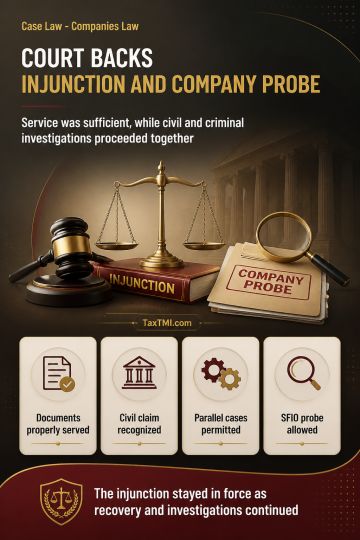
Ex parte injunction service requirements were substantially met, while civil recovery and SFIO investigation into provident fund defalcation continued...
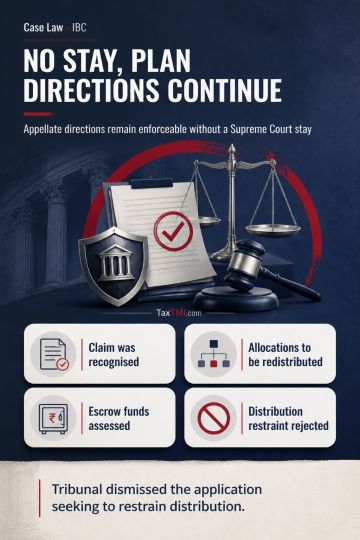
Enforcement of resolution-plan directions continues without a Supreme Court stay, preventing suspension of redistribution and escrowed-fund distributi...
Third-party ownership claims over attached property require Special Court adjudication where purchasers lack registered sale deeds and bona fides rema...
Pure-agent reimbursements in clearing and forwarding services are excluded from taxable value when qualifying third-party payments are properly record...
Customs relief for Strait of Hormuz maritime disruptions remains available, with existing conditions continuing unchanged through the extended validit...
Disciplinary proceedings - allegation of misconduct - Proceedings against ex-Superintendent of Central Excise - Reliance on confessional statements made by accused persons during the investigation - The High court underscored that disciplinary proceedings require evidence that meets legal principles, and reliance on confessional statements from a separate criminal investigation fails to satisfy this criterion. - It was concluded that the punishment orders were based on improper grounds, as the disciplinary actions were not supported by evidence that could logically prove the charges against the employees according to principles applicable to departmental inquiries. Thus, the punishment orders and the appellate decisions affirming them were quashed, and the employees were entitled to consequential benefits.
Disciplinary proceedings - allegation of misconduct - Proceedings against ex-Superintendent of Central Excise - Reliance on confessional statements made by accused persons during the investigation - The High court underscored that disciplinary proceedings require evidence that meets legal principles, and reliance on confessional statements from a separate criminal investigation fails to satisfy this criterion. - It was concluded that the punishment orders were based on improper grounds, as the disciplinary actions were not supported by evidence that could logically prove the charges against the employees according to principles applicable to departmental inquiries. Thus, the punishment orders and the appellate decisions affirming them were quashed, and the employees were entitled to consequential benefits.
Note: It is a system-generated summary and is for quick reference only.
 TaxTMI
 of 4803













 Join Channel


 TaxTMI