Approved resolution plans extinguish unsubmitted pre-approval tax claims, preventing later recovery outside the insolvency process and preserving a cl...
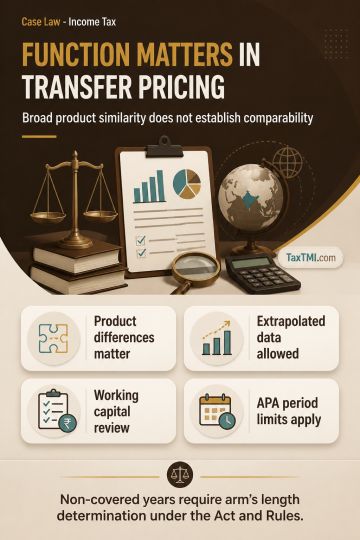
Transfer pricing comparability requires functional alignment and permits working capital adjustment, while APA margins cannot govern non-covered years...
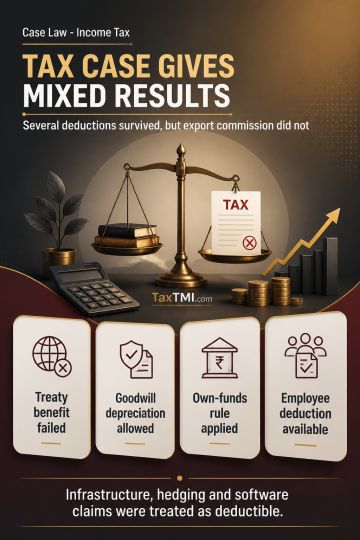
Treaty benefit, goodwill depreciation and hedging costs: export commission disallowed, while key business deductions and depreciation claims succeeded...
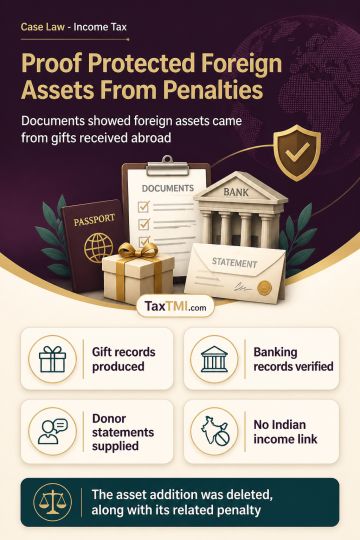
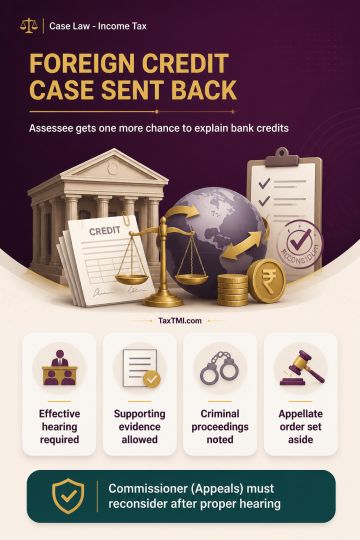
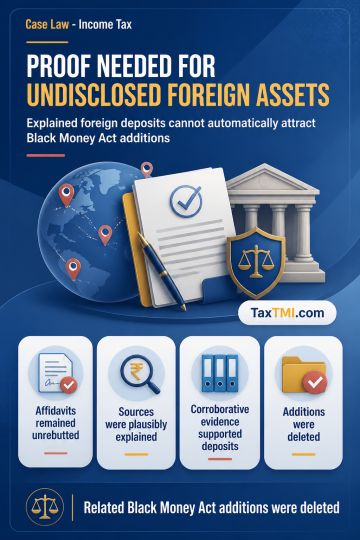
Undisclosed foreign asset classification requires an unexplained source; unrebutted affidavits and corroborative evidence defeated the Black Money Act...
The CBDT has issued a circular which addresses conditions under which income from specific funds, trusts, institutions, universities, educational, or medical institutions can enjoy tax exemption under the Income-tax Act, 1961. It outlines that at least 85% of such entities' income must be used for charitable or religious purposes, directly or through donations to similar entities. Amendments by the Finance Act 2023 clarify that only 85% of eligible donations are considered for charitable or religious application, with the balance 15% not needing to be invested per section 11(5) for exemption eligibility.
The CBDT has issued a circular which addresses conditions under which income from specific funds, trusts, institutions, universities, educational, or medical institutions can enjoy tax exemption under the Income-tax Act, 1961. It outlines that at least 85% of such entities' income must be used for charitable or religious purposes, directly or through donations to similar entities. Amendments by the Finance Act 2023 clarify that only 85% of eligible donations are considered for charitable or religious application, with the balance 15% not needing to be invested per section 11(5) for exemption eligibility.
Note: It is a system-generated summary and is for quick reference only.
 TaxTMI
 of 4803






 Join Channel


 TaxTMI