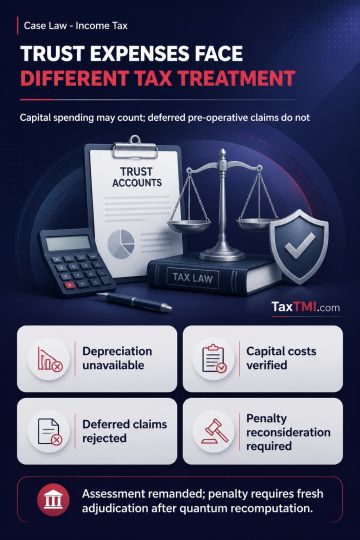
Charitable trust income application permits verified capital expenditure but rejects deferred pre-operative claims and requires reconsideration of con...
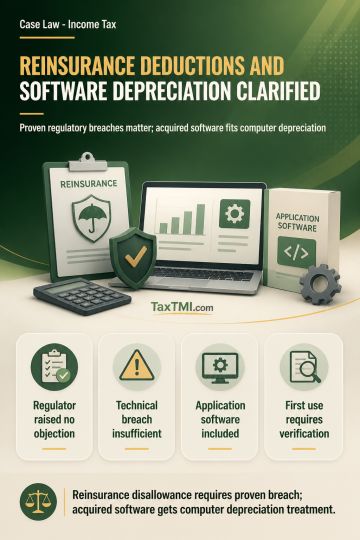
Reinsurance premium deductions require established regulatory breaches, while independently acquired software qualifies within the computer depreciati...
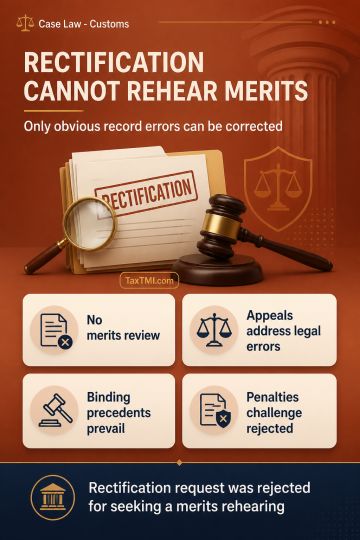
Rectification of mistake remains limited to self-evident record errors, preventing merits review through miscellaneous applications and preserving fin...
Tender creditworthiness conditions may extend to de facto Promoter Directors, with post-participation challenges generally barred absent arbitrariness...
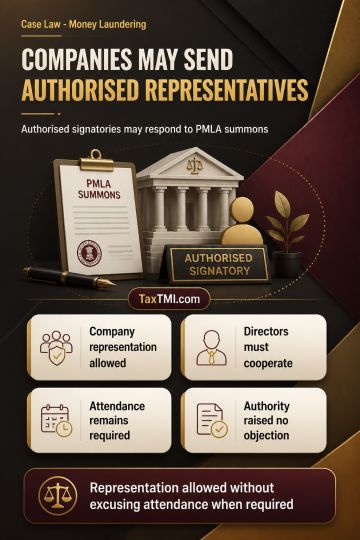
Corporate representation in PMLA summons proceedings permitted through an authorised signatory, subject to directors' continuing cooperation and atten...
Principles of unjust enrichment - Refund amount ordered to be credited to the Consumer Welfare Fund instead of being paid to the appellant - The Tribunal interprets Clause (e) of the third proviso to section 11B of the Central Excise Act, 1944, and concludes that the appellant had indeed borne the burden of the duty and had not passed it on to any other party. - Based on the findings, the Tribunal determines that the appellant is entitled to the refund amount along with interest, which should be reimbursed directly to the appellant instead of being credited to the Consumer Welfare Fund.
Principles of unjust enrichment - Refund amount ordered to be credited to the Consumer Welfare Fund instead of being paid to the appellant - The Tribunal interprets Clause (e) of the third proviso to section 11B of the Central Excise Act, 1944, and concludes that the appellant had indeed borne the burden of the duty and had not passed it on to any other party. - Based on the findings, the Tribunal determines that the appellant is entitled to the refund amount along with interest, which should be reimbursed directly to the appellant instead of being credited to the Consumer Welfare Fund.
Note: It is a system-generated summary and is for quick reference only.
 TaxTMI
 of 4805






 Join Channel


 TaxTMI
