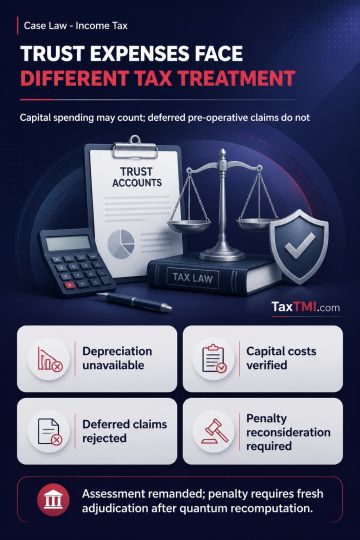
Charitable trust income application permits verified capital expenditure but rejects deferred pre-operative claims and requires reconsideration of con...
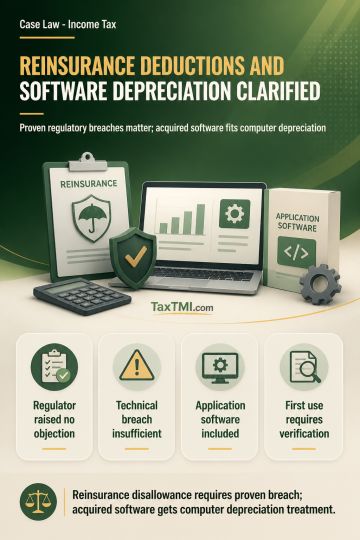
Reinsurance premium deductions require established regulatory breaches, while independently acquired software qualifies within the computer depreciati...
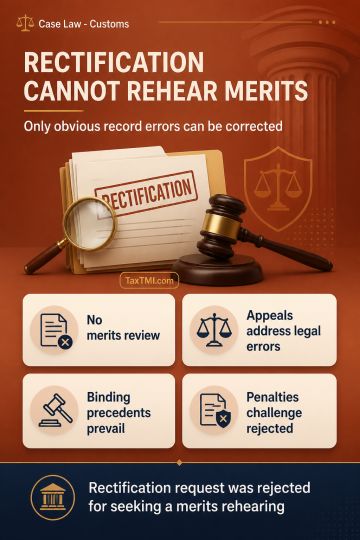
Rectification of mistake remains limited to self-evident record errors, preventing merits review through miscellaneous applications and preserving fin...
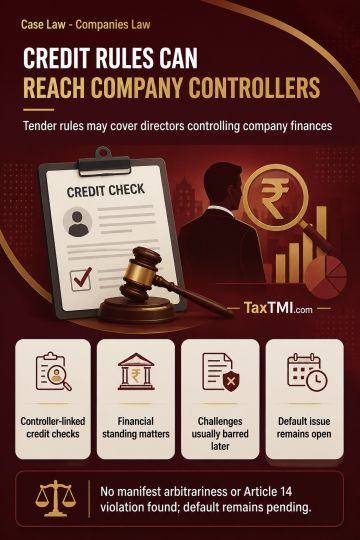
Tender creditworthiness conditions may extend to de facto Promoter Directors, with post-participation challenges generally barred absent arbitrariness...
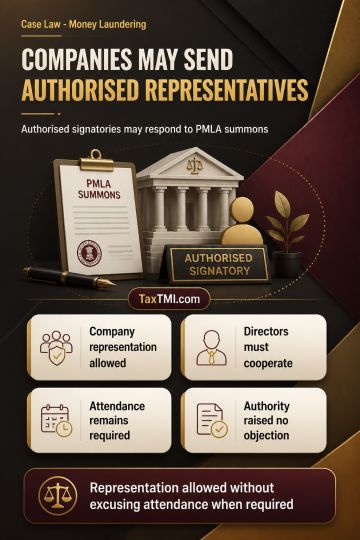
Corporate representation in PMLA summons proceedings permitted through an authorised signatory, subject to directors' continuing cooperation and atten...
CENVAT Credit - common inputs/input services used for manufacture of stock transferred exempted goods (lime stone) and dutiable products (Cement/Clinker) - The Tribunal clarified that the presence of two different final products (limestone as exempted and cement/clinker as dutiable) necessitates the maintenance of separate accounts for inputs/input services used. The court rejected the appellant's interpretation and emphasized that the rules apply to their situation, thus upholding the demand for payment under Rule 6(3)(i) due to the appellant's failure to maintain separate accounts. - However, the CESTAT agreed with the appellant regarding the limitation period, noting no grounds for invoking the extended period due to the appellant's transparent documentation and periodic disclosures.
CENVAT Credit - common inputs/input services used for manufacture of stock transferred exempted goods (lime stone) and dutiable products (Cement/Clinker) - The Tribunal clarified that the presence of two different final products (limestone as exempted and cement/clinker as dutiable) necessitates the maintenance of separate accounts for inputs/input services used. The court rejected the appellant's interpretation and emphasized that the rules apply to their situation, thus upholding the demand for payment under Rule 6(3)(i) due to the appellant's failure to maintain separate accounts. - However, the CESTAT agreed with the appellant regarding the limitation period, noting no grounds for invoking the extended period due to the appellant's transparent documentation and periodic disclosures.
Note: It is a system-generated summary and is for quick reference only.
 TaxTMI
 of 4805






 Join Channel


 TaxTMI
